NFT

NFTs are unique digital identifiers recorded on a blockchain that certify ownership and authenticity of a specific asset. Moving past the "PFP" craze, 2026 NFTs emphasize utility, representing everything from IP rights and digital fashion to RWA titles and event ticketing. This tag explores the technical standards of digital ownership, the growth of NFT marketplaces, and the integration of non-fungible tech into the broader Creator Economy and enterprise solutions.

13301 Articles
Created: 2026/02/02 18:52
Updated: 2026/02/02 18:52
BlockchainFX Fills the Gap Left by Those Who Missed Solana’s Early Run

BlockchainFX Fills the Gap Left by Those Who Missed Solana’s Early Run

The post BlockchainFX Fills the Gap Left by Those Who Missed Solana’s Early Run appeared on BitcoinEthereumNews.com. Crypto News Next 100x crypto to buy stories often start with missed chances. How many people ignored Solana when it was trading under $1 and now regret not joining early? The crypto market in October 2025 is proving that timing is everything. With markets heating up again, BlockchainFX ($BFX) is catching everyone’s eye as the most talked-about project in Q4. BlockchainFX ($BFX) is a live, fast-moving token built for those who missed their early shot at wealth. While Solana ($SOL) price news continues to dominate charts, this project is giving early buyers a fresh opportunity. The next 100x crypto to buy might already be live, and its rise is catching every serious participant’s attention. Solana ($SOL): The Missed Million-Dollar Moment Back in the early days, Solana ($SOL) launched around $0.22 during its ICO, and few believed it would ever break the top ten. When it later hit above $250, those early participants turned small entries into life-changing portfolios. Many watched from the sidelines, realizing too late what they had missed. The lesson from Solana’s journey is clear: the crypto market keeps opening new doors for those ready to act. Every run creates another opportunity. Now, as 2025 unfolds with fresh market energy, BlockchainFX ($BFX) stands where Solana once did—at the start of a potential 1000x climb that could reshape financial freedom for early community members. BlockchainFX ($BFX): The Next 100x Crypto to Buy BlockchainFX ($BFX) is not just a token; it’s a live trading ecosystem built for modern finance. It merges crypto, stocks, forex, and commodities into one super app, designed for simplicity and daily returns. Early participants earn up to 70% of trading fees in USDT rewards, giving them real passive income while holding. This next 100x crypto to buy is already making noise for being audited by CertiK,…

Author: BitcoinEthereumNews
Next 100x Crypto to Buy: BlockchainFX Fills the Gap Left by Those Who Missed Solana’s Early Run

Next 100x Crypto to Buy: BlockchainFX Fills the Gap Left by Those Who Missed Solana’s Early Run

Next 100x crypto to buy stories often start with missed chances. How many people ignored Solana when it was trading […] The post Next 100x Crypto to Buy: BlockchainFX Fills the Gap Left by Those Who Missed Solana’s Early Run appeared first on Coindoo.

Author: Coindoo
How are Web3 Game Development Companies Transforming Players into Digital Owners?

How are Web3 Game Development Companies Transforming Players into Digital Owners?

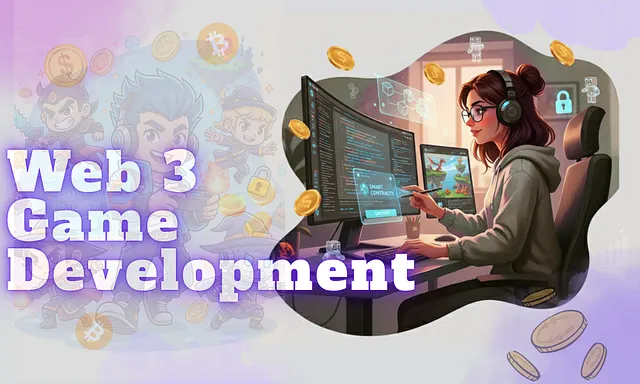
Gone are the days when players spent countless hours grinding for rewards that disappeared the moment a server shut down. The gaming world has evolved, and this time, players hold the power. Today, every skin, weapon, and collectible isn’t just a digital reward; it’s a real, ownable asset. Imagine owning your in-game world the way you own your car or your crypto wallet. That’s the promise shaping the future of gaming. Through blockchain innovation, every achievement can now carry real-world value. A Web3 game development company doesn’t just create entertainment; it builds ecosystems where players become stakeholders, traders, and true digital owners. This isn’t just the next level of gaming; it’s a global movement redefining what it means to play and own. The Shift from Playing to Owning The gaming world is undergoing a significant shift from a play-to-win model to a play-to-own model. In traditional games, players spend hours collecting rewards, leveling up, and unlocking gear that ultimately belongs to the game developers. But in the Web3 era, that dynamic is being rewritten. Now, every item you earn, trade, or craft carries real value and ownership. Players are no longer just participants; they’re investors, creators, and stakeholders in the virtual worlds they love. The sense of accomplishment goes beyond in-game achievements; it becomes an asset that can grow, trade, and even generate income. In Web3, your progress doesn’t disappear; it multiplies. This evolution empowers gamers to take control, turning their passion for play into lasting digital ownership and financial opportunity. Inside the Web3 Revolution The Web3 revolution is redefining what gaming truly means by merging technology, transparency, and player power. At its core, blockchain ensures that every transaction and in-game asset is securely recorded and verifiable. NFTs (Non-Fungible Tokens) take this a step further, turning skins, weapons, and collectibles into unique, tradeable assets that players genuinely own. Smart contracts automate these interactions, eliminating the need for middlemen and ensuring fairness in every deal. Games like Axie Infinity and Illuvium have already proven how this model can reshape the industry. Axie Infinity alone saw millions of players earning real income by trading digital creatures, showing how gaming can evolve into an economy. According to DappRadar, blockchain gaming now accounts for over 30% of all decentralized app activity, signaling explosive growth. This shift is more than a trend; it’s a movement where creativity, ownership, and technology converge to give players the freedom to earn, build, and truly belong in their digital worlds. Play-to-Earn: The New Digital Economy The rise of Play-to-Earn (P2E) gaming has turned a once-simple hobby into a powerful digital economy. No longer just about high scores or leaderboards, today’s games offer players the chance to earn real income through their time, effort, and creativity. Powered by Web3 game development companies, P2E models reward players with cryptocurrencies, tokens, or NFTs that hold genuine market value. Gamers can now sell rare items, trade digital land, or create unique avatars that generate passive income. In countries like the Philippines and Vietnam, players have even used Play-to-Earn games such as Axie Infinity to support their families, proving this model is more than just hype. What makes it revolutionary is the fairness it introduces; every achievement is recognized and rewarded. For the first time, gamers are earning not just respect but real rewards. This new digital economy blurs the line between passion and profession, empowering anyone with an internet connection to turn gameplay into a genuine opportunity. Why Web3 Game Developers are the New Architects of Value? Behind the Web3 revolution stand the Web3 game development companies, the true architects shaping the future of gaming. These developers are not just coding virtual worlds; they’re designing self-sustaining digital ecosystems where players have real influence, ownership, and earning power. Through the power of blockchain technology, they’re creating transparent environments where players can co-own assets, co-create content, and co-earn rewards through decentralized systems. Compared to traditional studios that control every aspect of gameplay and economy, Web3 developers empower players to be active stakeholders. Through tokenized rewards, player-driven marketplaces, and NFT-based assets, they’re transforming games into expanding digital economies. What makes this shift powerful is the creative freedom it unlocks. Developers are now building open worlds where imagination pays off literally. They’re not just building games, they’re building economies where imagination pays off. As these companies continue to innovate, the future of gaming looks more inclusive, community-driven, and rewarding than ever before. The Rise of Digital Ownership The gaming landscape is no longer just about entertainment; it’s about true ownership. Thanks to Web3 game development companies, players now have the power to own, trade, and monetize their in-game assets like never before. From rare NFTs to tokenized rewards, every achievement carries tangible value, transforming games into vibrant economies where players are more than participants; they are stakeholders. This shift goes beyond technology; it’s a cultural and financial revolution. Digital ownership in gaming empowers creativity, rewards dedication, and bridges the gap between virtual and real-world value. The next generation of gamers won’t just play in worlds, they’ll own them. With every game, token, and collectible, Web3 is shaping a future where passion, skill, and imagination translate directly into ownership, opportunity, and lasting impact. How are Web3 Game Development Companies Transforming Players into Digital Owners? was originally published in Coinmonks on Medium, where people are continuing the conversation by highlighting and responding to this story

Author: Medium
Little Pepe ($LILPEPE) vs LivLive ($LIVE): Analysts Rank the Best Crypto Presales With 1000x Potential in 2025

Little Pepe ($LILPEPE) vs LivLive ($LIVE): Analysts Rank the Best Crypto Presales With 1000x Potential in 2025

LivLive ($LIVE) outshines Little Pepe ($LILPEPE) with real-world AR rewards, 30% bonuses, and 16x+ ROI potential, making it 2025’s best crypto presale pick.

Author: Blockchainreporter
Don’t Bore Me with my Original Fake Bored Ape: NFTs Are Art, and My Choice Is Mine

Don’t Bore Me with my Original Fake Bored Ape: NFTs Are Art, and My Choice Is Mine

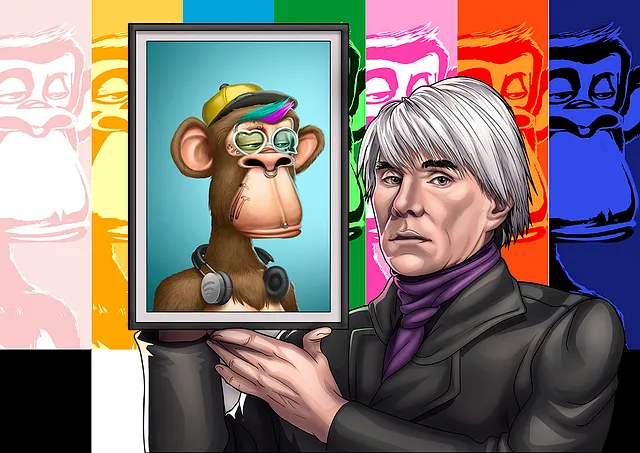
Andy Warhol Holding The Original Fake Bored Ape The art world has always been a battleground of taste, where innovation clashes with tradition and value is a matter of conviction. Today, non-fungible tokens, or NFTs, digital assets like my cherished The Original Fake Bored Ape, stand at the heart of this dispute. Critics dismiss NFTs as a speculative fad, devoid of aesthetic or cultural merit, their voices laden with the prejudice of guardians of an outdated canon. Yet, art has never bowed to such dogmatism. If I choose to invest my modest resources or dreams in a primate crafted by an artist, inspired but not official from the Bored Ape collection, that choice is mine alone. To those who insist on lecturing me about the legitimacy of my collection, spare me. NFTs are art, their value is real, and the only thing more tiresome than this debate is the elitism that fuels it. The Art of Redefinition The history of art is a chronicle of ruptures, where visionaries redefine what is beautiful or meaningful by defying conventions. In the 19th century, the Impressionists faced scorn for their vibrant brushstrokes, deemed unworthy by Parisian salons. Decades later, Andy Warhol transformed Campbell’s soup cans into cultural icons, questioning the boundary between consumption and art. Marcel Duchamp was bolder still, with his 1917 urinal, “Fountain,” which elevated artistic intent above the physical medium. NFTs, like my The Original Fake Bored Ape, crafted by an artist as a conscious provocation to the Bored Ape Yacht Club collection, follow this rebellious tradition. Stamped with the Primate Pop symbol, a badge of pop art irreverence, it is an object authenticated by the blockchain, its transparency surpassing that of any physical canvas. To reject it as “non-art” is to ignore that the essence of art lies in the dialogue it sparks, not in its submission to obsolete dogmas. The Alchemy of Value The value of art has never been measured by its utility but by its capacity to captivate, provoke, or signify. Consider the astronomical prices of physical works: “Salvator Mundi,” by Leonardo da Vinci, sold for 450.3 million dollars at Christie’s in 2017, driven by its rarity and historical aura. “Interchange,” by Willem de Kooning, fetched 300 million dollars in a private sale in 2015, while “Untitled,” by Jean-Michel Basquiat, reached 110.5 million dollars in 2017. These values reflect not objective metrics but the subjective desires of collectors and cultural discourses. A Picasso is not worth millions for its paint but because someone believes in its meaning. The same applies to NFTs. My Original Fake Bored Ape, with its intentional design crafted by an artist, stamped with the Primate Pop symbol, carries a value that transcends its code: it is a cultural artifact, a provocation to authenticity. Critics who ridicule such purchases forget that art markets have always been speculative, from the Impressionists, whose works, like Monet’s “Water Lilies,” now fetch tens of millions. Value is a story we tell, and NFTs are writing a new chapter.The Original Fake Bored Ape A Personal Rebellion The cover image of this article encapsulates my stance: Andy Warhol, the maestro of pop, holding a pop art rendition of The Original Fake Bored Ape, with hues that echo his irreverent genius. This image is a manifesto of my right to define art on my own terms. I may not have the fortune of a Sotheby’s bidder. Still, I claim the freedom to collect what speaks to me, be it The Original Fake Bored Ape or a CryptoPunk, each stamped with a pop symbol, an icon of provocation that celebrates the tension between originality and falsity. The blockchain ensures my ownership is indisputable, a modern echo of the provenance that once authenticated a Rembrandt. Collecting an NFT is planting a flag in a cultural revolution, where curators no longer dictate taste but are guided by the collective will of creators and enthusiasts. The End of Elitism The rancor against NFTs reveals a deeper anxiety: the loss of control over cultural narratives. By decentralizing the creation and ownership of art, NFTs challenge the institutions that decide what is worthy of admiration. They invite us to question who defines beauty, value, or permanence. The Original Fake Bored Ape is as legitimate as a Basquiat canvas or a Duchamp readymade, not because it is flawless, but because it resonates with me, with its community, with the spirit of the age. The gatekeepers of the art world may bristle, but their sermons are as obsolete as a rotary phone. Art is personal, value is subjective, and my wallet, however humble, is mine. So, spare me the critiques of my Original Fake Bored Ape. What’s in your collection, and why does it matter to you? The Original Fake Bored Ape is for sale at the floor price of an original Bored Ape, around 7.5 ETH, a brazen challenge to the art market: what is the worth of a work that is, by design, originally fake? I don’t know the answer, but I’m eager to see who dares to bid. To those who insist on lecturing me about the legitimacy of my collection, spare me. NFTs are art, their value is real, and the only thing more tiresome than this debate is the elitism that fuels it. Don’t Bore Me with my Original Fake Bored Ape: NFTs Are Art, and My Choice Is Mine was originally published in Coinmonks on Medium, where people are continuing the conversation by highlighting and responding to this story

Author: Medium
From Anarchy to Airdrops

From Anarchy to Airdrops

The Selling Out of Decentralization Decentralization was supposed to be rebellion — a digital uprising against the gatekeepers of finance and data. A way to give power back to people. Now, it’s just a new kind of marketing campaign. What began as a movement for freedom turned into a spectacle of greed. The rhetoric stayed radical, but the behavior got corporate fast. Talk of “community ownership” quietly morphed into “token incentives.” What was once anti-establishment became airdrop culture — capitalism with better branding. The irony is vicious Web3 started by promising to break the system but ended up replicating it — only faster and with worse UX. Decentralization once meant transparency, autonomy, and resilience. Now it means Discord servers filled with speculation, influencers masquerading as economists, and founders building new empires on the ashes of old ones. The same power dynamics, just distributed through wallets instead of banks. The dream of collective power collapsed under the weight of individual profit. Because when everyone’s in it for yield, nobody’s in it for freedom. The Web3 revolution didn’t get crushed by regulators or skeptics — it got sold out by its believers. The crypto economy turned participation into gamified capitalism, and the “community” into unpaid labor for hype. The deeper tragedy isn’t the scams or the rug pulls — those were predictable. It’s how easily people traded idealism for incentives. How a movement built on “trustless systems” forgot that trust — in each other, not code — was the original point. Decentralization didn’t fail because it couldn’t work. It failed because it stopped being about liberation and became about distribution — not of power, but of profit. The revolution was real for a second. Then someone built a dashboard for it, raised a Series A, and launched an NFT drop. That’s not freedom. That’s franchising. From Anarchy to Airdrops was originally published in Coinmonks on Medium, where people are continuing the conversation by highlighting and responding to this story

Author: Medium
Ethereum And Shiba Inu Struggling For Bull Run; Here’s Why Investors Are Now Choosing The BlockchainFX Presale Over Altcoins

Ethereum And Shiba Inu Struggling For Bull Run; Here’s Why Investors Are Now Choosing The BlockchainFX Presale Over Altcoins

Ethereum and Shiba Inu face stagnation, but BlockchainFX’s $0.028 presale surges past $9.7M. Its staking rewards and real-world utility make BFX a standout buy.

Author: Blockchainreporter
“Web3 Without Wallets?” - My Journey into Invisible UX

“Web3 Without Wallets?” - My Journey into Invisible UX

Most people quit Web3 before they even get started, wallets, seed phrases, and gas fees scare them off. I discovered a new path: invisible wallets powered by account abstraction. Tools like Privy, Magic.link, and Coinbase Smart Wallet let users sign in with just an email or phone, no crypto knowledge needed. For India, where regulations and fiat on-ramps complicate everything, this frictionless UX could be the bridge that finally brings mass adoption. Web3 should feel like Web2 simple, seamless, and secure until it truly matters.

Author: Hackernoon
Polygon Vs. Ethereum? That’s Something New! or Maybe Not?

Polygon Vs. Ethereum? That’s Something New! or Maybe Not?

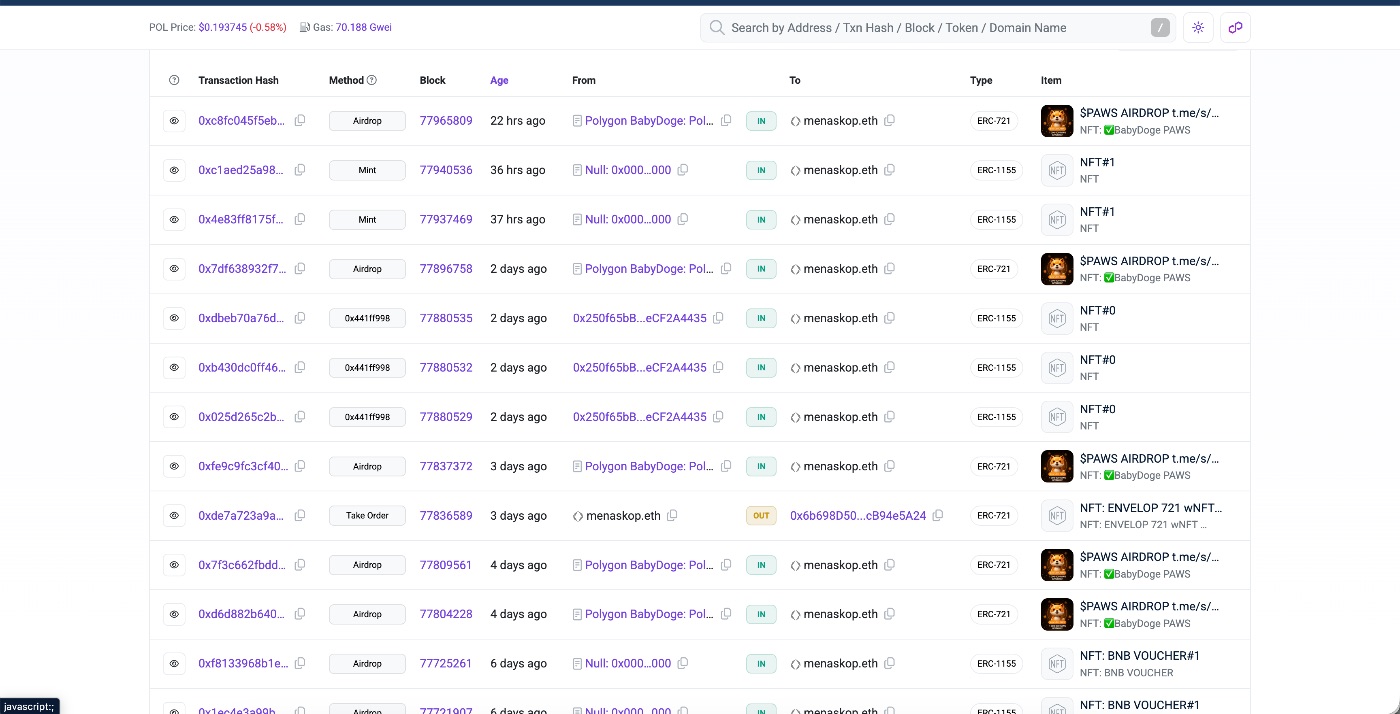
Polygon is a sidechain, not a rival to Ethereum. Polygon team has done nothing to filter out spam on the network. The network has 117 pages of NFTs, compared to 12 on Etherum...

Author: Hackernoon
When Everything Is a Token: Imagining a Fully Tokenized Economy

When Everything Is a Token: Imagining a Fully Tokenized Economy

Tokenization means turning ownership, rights, or access into digital pieces that can move easily across crypto networks. A world where everything is tokenized feels futuristic, but it’s not far off.

Author: Hackernoon