

India’s cryptocurrency market is facing an unusual situation: traders are paying significantly more than the global value of dollar-pegged digital assets, especially USDT (Tether), as a shortage of avIndia’s cryptocurrency market is facing an unusual situation: traders are paying significantly more than the global value of dollar-pegged digital assets, especially USDT (Tether), as a shortage of av
Stablecoin Shortage in India: Why Traders Are Paying an 8.5% Premium for Crypto Dollars

India’s cryptocurrency market is facing an unusual situation: traders are paying significantly more than the global value of dollar-pegged digital assets, especially USDT (Tether), as a shortage of available stablecoins pushes prices higher. The premium on USDT in India has reportedly crossed 8.5%, creating a gap between the local crypto market and international dollar rates.
This development has raised questions about why a digital asset designed to maintain a stable value against the US dollar is becoming expensive in a country where it is widely used for crypto trading and liquidity.
1.Why Is USDT Trading at a Premium in India?
Normally, USDT should closely follow the USD/INR exchange rate. However, the price Indian traders pay depends on local supply and demand.
A premium appears when demand for USDT is higher than the available supply.
Recent reports indicate that USDT prices in India moved significantly above the normal dollar-rupee conversion rate. For example, USDT was reported around ₹102.88 while the USD/INR market rate was approximately ₹94.65, creating a premium above 8.5%.
2.The key reasons behind this situation include:
2.1 Reduced Stablecoin Supply
One of the biggest factors is a reduction in USDT inflows into the Indian market.
Indian crypto traders depend heavily on stablecoin liquidity from various channels. When those channels slow down, available USDT becomes limited, and buyers may have to pay higher prices to acquire it.
2.2 Regulatory Pressure and Market Uncertainty
Regulatory developments have also affected market confidence.
Reports have linked the recent supply tightening to increased scrutiny by India’s Enforcement Directorate (ED) over certain crypto-related transactions and cross-border transfers involving digital assets. The uncertainty around compliance has influenced how market participants provide liquidity.
This does not mean all crypto activity has stopped, but tighter oversight can affect the channels through which stablecoins enter and move through the market.
2.3 Demand From Traders
Stablecoins are essential during periods of market activity because traders often move into USDT when they want to reduce exposure to volatile cryptocurrencies.
When many participants try to buy stablecoins at the same time, local prices can rise above the international value.
3.The Connection With Cross-Border Transfers
Stablecoins have also been used by some participants as an alternative method for moving value internationally because blockchain transfers can happen quickly.
However, authorities have raised concerns about whether some crypto-based transfer methods comply with existing foreign exchange and anti-money-laundering rules. This has brought more attention to the role stablecoins play in financial transfers.
4.How Does This Affect Indian Crypto Traders?
For traders, a higher USDT premium increases the cost of entering the crypto market.
For example, if a trader buys USDT at a large premium, they are already paying extra before purchasing Bitcoin, Ethereum, or other digital assets. This can reduce profitability and create differences between Indian crypto prices and global markets.
It can also affect arbitrage opportunities, where traders attempt to profit from price differences between markets.
5.Is This a Problem With USDT Itself?
The premium does not necessarily mean USDT has lost its dollar value.
The issue is mainly related to local market conditions — availability, demand, liquidity, and regulatory factors.
A stablecoin can remain close to one dollar globally while trading at a higher price in a specific country if local demand exceeds supply.
6.What Could Happen Next?
The premium could decrease if stablecoin supply improves or if market conditions stabilize.
However, the episode highlights a broader issue: India’s crypto market still depends heavily on stablecoin liquidity, while regulations around digital assets continue to evolve.
A clearer regulatory framework and stronger market infrastructure could influence how easily traders access digital dollar assets in the future.
7.Conclusion
The 8.5% USDT premium in India is not because the dollar itself suddenly became more expensive. It is the result of a local imbalance between stablecoin demand and supply.
Stablecoins have become a crucial part of the crypto ecosystem, but the recent shortage shows that access to digital dollar liquidity can be affected by regulation, market structure, and investor demand.
For Indian crypto traders, the event serves as a reminder that even assets designed for stability can experience significant price differences depending on where and how they are traded.
Disclaimer:This content is for educational and reference purposes only and does not constitute any investment advice. Digital asset investments carry high risk. Please evaluate carefully and assume full responsibility for your own decisions.
市場機遇
4實時價格 (4)
--
----
USD
4 (4) 實時價格圖表
本頁面分享的文章均源自公開平台,僅供參考。該內容不代表 MEXC 的立場或觀點。所有版權歸 Mubashir 所有。如果您認為任何內容侵犯了第三方的權益,請聯絡 service@support.mexc.com 以便及時刪除。 MEXC 不保證任何內容的準確性、完整性或及時性,且不對基於所提供信息而採取的任何行動負責。本內容不構成財務、法律或其他專業建議,亦不應被解釋為 MEXC 的推薦或認可。如需專家見解和深入分析,請造訪 MEXC 學院。
學習更多 4 知識
查看更多
MEXC Card 申請被拒或審核中:7 個原因與後續該怎麼做
多數卡片申請,在您讀完一封短短的電子郵件的時間內就結束了——正因如此,申請被拒、或是審核狀態遲遲停在原地,才會讓人覺得特別不對勁。 本指南涵蓋用戶實際會遇到的三種狀態:申請被拒、仍在審核中,以及已核准、但卡片狀態並未顯示為 Active(已啟用)。 MEXC Global Card 是 MEXC 推出的第二張 Visa 卡,已於 2026 年 8 月 31 日上線。它與原有的 MEXC Card(
2026/09/08

MEXC 交易手續費與資金費率全解析:現貨與合約費率最新指南
無論是在加密貨幣領域摸爬滾打多年的職業交易員,還是剛剛接觸交易的新手,了解交易相關費率都是熟悉交易規則、提升交易體驗的必經之路。MEXC 作為全球領先的加密貨幣交易平台,提供清晰透明的費率體系,幫助交易者在合約與現貨交易中更好地管理成本。 1. 合約交易相關費率 1.1 交易手續費 在 MEXC 合約交易中,用戶會有兩種身分: 掛單(Maker):當前所下的限價單並未與當前掛單(Maker)成交,
2026/09/08
為什麼 EDGE 會上漲?邊緣 X 價格飆升,圓圈弧合作夥伴關係推動話題利息
EDGE 在價格大幅上漲後,已成為市場密切關注的代幣之一,並讓 edgeX 生態系統重新回到聚光燈下。直接催化因素不僅僅是更廣泛的幣種情緒,而是 edgeX 的全球資產策略重大擴張,且與即將上線的 Circle 的 Arc 主網相關。 edgeX 已宣布計劃從第一天起在 Arc 上線,推出 24/7 外匯永續合約,首發 USD/JPY,同時支援涵蓋股票、大宗商品與加密貨幣的 150+ 個永續話題。
2026/09/03
4 最新動態
查看更多
從稀缺交易到估值紀律:SpaceX的回調考驗OpenAI的IPO野心
據報導,OpenAI 傾向將其 IPO 推遲至 2027 年,但更強烈的市場訊號來自 SpaceX。SpaceX 於 6 月 22 日收盤下跌了 16.4%,收於 154.60 美元,較盤中高點 225.64 美元降低了 31.5%,但仍較其 135 美元的 IPO 價格高出 14.5%。這一走勢使 SpaceX 從一個由稀缺性驅動的 IPO 成功案例,轉變為 AI 相關超大型上市週期中首個重大公開市場壓力測試。
OpenAI 的問題不在於需求,而在於估值。路透社引用《紐約時報》的報導指出,OpenAI 正考慮等待至 2027 年,以維持高達 1 兆美元的估值目標,而顧問將此選擇定調為:要麼等待達到該估值,要麼以較低目標提前上市。
預測市場已開始反映這種謹慎態度。Polymarket 的 OpenAI IPO 市場近期顯示,OpenAI 在 2026 年 12 月 31 日前完成 IPO 的機率約為四分之一,這表明交易者不再將近期上市視為明確的基本情境。對於加密貨幣交易者而言,這使得 AI 上市前的曝險從單向的稀缺性交易,轉變為與公開市場基準掛鉤的估值紀律交易。
2026/06/29
Coldcard Mk3 警告隨 $38M Bitcoin 掃蕩而來,但原因仍未確認
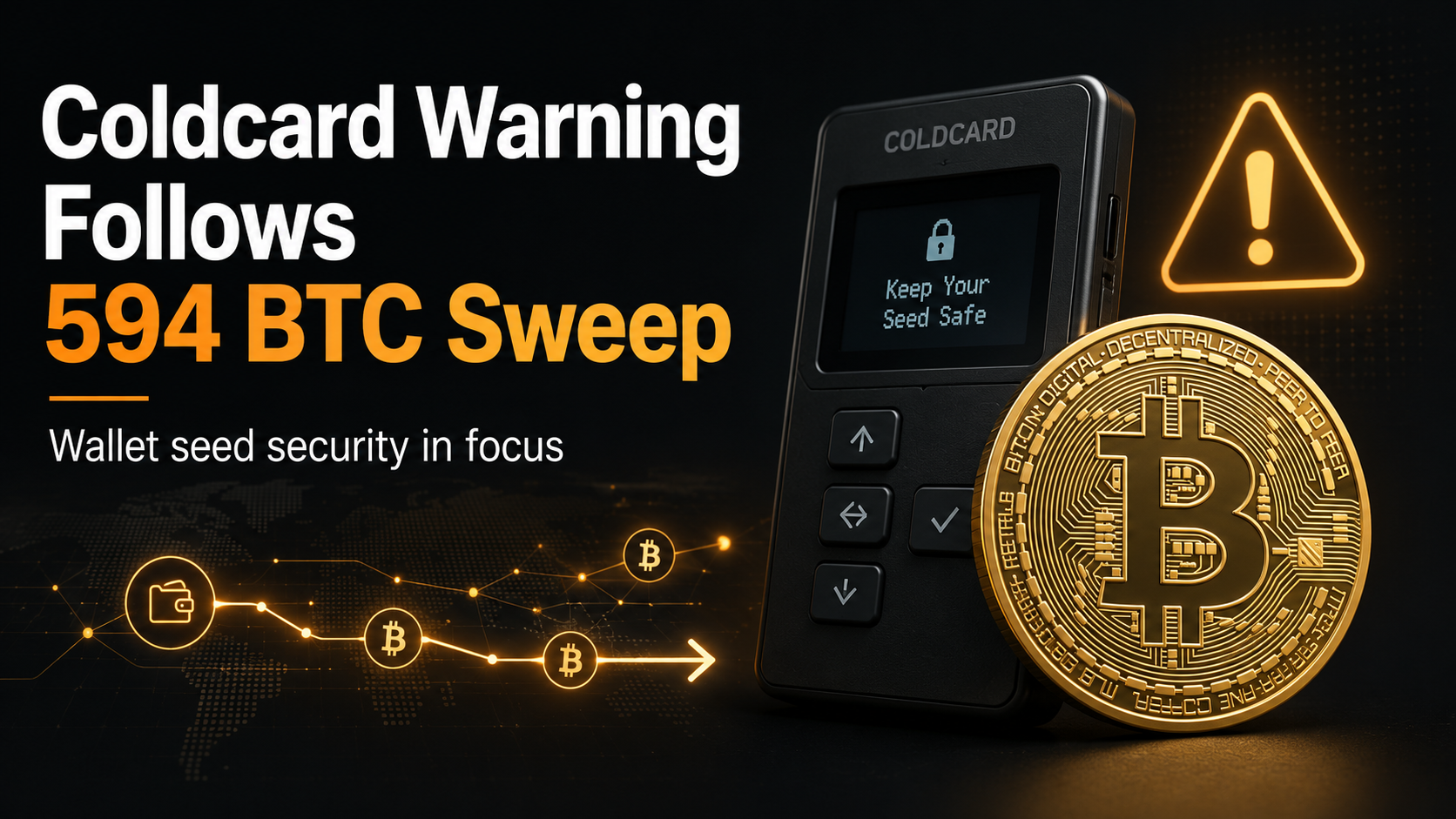
比特幣硬體錢包製造商 Coinkite 已警告用戶,Coldcard 裝置存在種子生成問題,影響範圍涵蓋所有 4.0.1 及更高版本的 Mk3 韌體。此警告是在安全研究人員調查一宗涉及 594.48 BTC(價值約 3,800 萬美元)的協調性盜取事件時出現的。然而,目前尚無公開的技術證據證實 Coldcard 的問題導致了這些轉帳。
2026/07/31
Mastercard 完成對 BVNK 的收購,金額高達 18 億美元——穩定幣進入全球支付核心
Mastercard 於三月宣布該交易後,已於 2026 年 8 月 3 日(UTC +8)完成對穩定幣基礎設施供應商 BVNK 的收購。
2026/08/04


熱門
目前熱門備受市場關注的加密貨幣
加密貨幣價格
按交易量計算交易量最大的加密貨幣