Bitcoin Magazine Michael Saylor’s Bitcoin Treasury Strategy Now Accounts for 3.2% of BTC Supply Strategy owns 3.2% of all Bitcoin, spending nearly $2 billion inBitcoin Magazine Michael Saylor’s Bitcoin Treasury Strategy Now Accounts for 3.2% of BTC Supply Strategy owns 3.2% of all Bitcoin, spending nearly $2 billion in

Michael Saylor’s Bitcoin Treasury Strategy Now Accounts for 3.2% of BTC Supply

Bitcoin Magazine

Michael Saylor’s Bitcoin Treasury Strategy Now Accounts for 3.2% of BTC Supply

Over the last two months, the broader bitcoin market has bled to semi-surprising lows and it seems like fear has crept into the forefront of market sentiment. But Strategy’s Michael Saylor, in true Saylor fashion, just put his head down and bought more bitcoin. 

Over the past two weeks, Strategy has spent nearly $2 billion just on Bitcoin.

Strategy has steadily expanded their Bitcoin treasury over the years, now holding 671,268 BTC — equivalent to 3.2% of all Bitcoin ever expected to exist, the company says.

The firm’s average purchase price for its holdings sits at roughly $75,000 per BTC, with a total acquisition cost of $50 billion and a current Bitcoin net asset value of $60 billion. 

Strategy has added Bitcoin in every quarter since Q3 2020, totaling 90 separate acquisitions.

Per Bitcointreasuries.net, Strategy’s Bitcoin holdings tower over every other publicly traded treasury, owning 12 times the next largest holder, MARA Holdings. 

While most companies in the top 10 hold between 13,000 and 53,000 BTC, Strategy’s accumulation dwarfs them, underscoring its unprecedented scale of BTC holdings. 

Earlier this month, Strategy created a $1.44 billion cash reserve to safeguard future dividends and interest payments, in an effort to reassure investors it would not need to sell any of its roughly $56 billion in Bitcoin amid broader Bitcoin market weakness.

Funded by recent Class A stock sales, the reserve initially covered 21 months of obligations, with plans to extend to 24 months. CEO Phong Le said the move sharply reduced the likelihood of BTC liquidation, addressing fears from prior comments. 

Strategy wants more bitcoin: ‘We are going to buy all of it’

At the Bitcoin MENA conference, Saylor discussed his bitcoin beliefs more, saying that Bitcoin was the foundation of a new digital capital and credit era. Addressing sovereign wealth funds, banks, and investors, Saylor framed Bitcoin as “digital capital,” contrasting it with traditional assets like gold, real estate, and equities, and emphasizing its potential as a core store of value in the digital economy. 

Saylor emphasized the growing institutional adoption of Bitcoin, with major U.S. banks—including Bank of America, Wells Fargo, JP Morgan, and Citi—now offering custody solutions and credit against Bitcoin. 

He also cited bipartisan government support from agencies like the Treasury, SEC, and CFTC.

Central to Strategy’s vision is converting volatile Bitcoin into predictable, yield-generating credit. Through over-collateralized instruments like STRK (8% dividend) and STRF (10% perpetual bond), Strategy delivers steady cash flows while enhancing long-term Bitcoin exposure.

Saylor claimed these mechanisms allow the company to double Bitcoin per share every seven years, creating liquidity and aligning corporate growth with investor returns. He likened Bitcoin-backed credit to gold-backed financial systems, envisioning a global shift toward digital gold-supported credit integrated into traditional banking.

Earlier this week, news came out that Strategy will retain its spot in the Nasdaq 100 index despite an annual reshuffle that removed six companies and added three.

StrategyStrategy’s Michael Saylor speaking at Bitcoin Amsterdam

This post Michael Saylor’s Bitcoin Treasury Strategy Now Accounts for 3.2% of BTC Supply first appeared on Bitcoin Magazine and is written by Micah Zimmerman.

Piyasa Fırsatı
Nowchain Logosu
Nowchain Fiyatı(NOW)
$0,00253
$0,00253$0,00253
-%1,93
USD
Nowchain (NOW) Canlı Fiyat Grafiği
Sorumluluk Reddi: Bu sitede yeniden yayınlanan makaleler, halka açık platformlardan alınmıştır ve yalnızca bilgilendirme amaçlıdır. MEXC'nin görüşlerini yansıtmayabilir. Tüm hakları telif sahiplerine aittir. Herhangi bir içeriğin üçüncü taraf haklarını ihlal ettiğini düşünüyorsanız, kaldırılması için lütfen service@support.mexc.com ile iletişime geçin. MEXC, içeriğin doğruluğu, eksiksizliği veya güncelliği konusunda hiçbir garanti vermez ve sağlanan bilgilere dayalı olarak alınan herhangi bir eylemden sorumlu değildir. İçerik, finansal, yasal veya diğer profesyonel tavsiye niteliğinde değildir ve MEXC tarafından bir tavsiye veya onay olarak değerlendirilmemelidir.

Ayrıca Şunları da Beğenebilirsiniz

Bitcoin ETF Investors React to Fed’s Decision

Bitcoin ETF Investors React to Fed’s Decision

The post Bitcoin ETF Investors React to Fed’s Decision appeared on BitcoinEthereumNews.com. In a surprise move, spot Bitcoin ETFs experienced their first significant daily outflows in over a week, following the Federal Reserve’s adjusted policy outlook. This shift reflects the market’s readiness to respond to any hint of change on the regulatory landscape, as well as its sensitivity to central bank cues. Continue Reading:Bitcoin ETF Investors React to Fed’s Decision Source: https://en.bitcoinhaber.net/bitcoin-etf-investors-react-to-feds-decision
Paylaş
BitcoinEthereumNews2025/09/18 18:51
US Senators Introduce SAFE Crypto Act to Target Rising Crypto Scams
US Senators Introduce SAFE Crypto Act to Target Rising Crypto Scams

The post US Senators Introduce SAFE Crypto Act to Target Rising Crypto Scams appeared first on Coinpedia Fintech News Crypto scams are getting faster, smarter and
Paylaş
CoinPedia2025/12/17 18:33
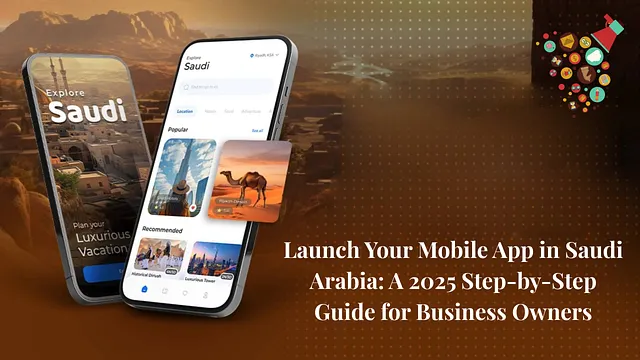
From Idea to App Store: The Complete Guide to Mobile App Development in Saudi Arabia

From Idea to App Store: The Complete Guide to Mobile App Development in Saudi Arabia

Saudi Arabia is at the forefront of digital transformation. With Vision 2030 driving innovation and a rapidly growing population of tech-savvy users, mobile apps have become a core driver of business growth in the Kingdom. From e-commerce and fintech to healthcare, logistics, and on-demand services, Saudi businesses are embracing mobile apps to connect with customers and scale faster. But how do you take a mobile app idea and turn it into a successful launch on the App Store or Google Play? This guide breaks down the complete mobile app development process in Saudi Arabia — step by step. Step 1: Validate Your App Idea for the Saudi Market Before you start building, ask: What problem does my app solve for Saudi users? Is there a cultural or market gap my app can fill? How do local competitors approach the same challenge? For example, apps related to digital payments, e-learning, delivery services, and healthcare are in high demand across Saudi Arabia. Conducting market research and aligning your app idea with local user behavior is critical. Step 2: Plan Features with Local Needs in Mind Your app should start with an MVP (Minimum Viable Product) — a core version that solves the main problem. Later, you can scale with advanced features. In Saudi Arabia, consider adding: Arabic language support (essential for user adoption) Integration with local payment gateways like STC Pay, Mada, or Apple Pay Regulatory compliance (especially for fintech and health apps) Localization for user preferences (Hijri calendar, cultural UI elements) Step 3: Select the Right Development Approach You can choose: Native Apps (Swift for iOS, Kotlin for Android) — Great for scalability and performance. Cross-Platform Apps (Flutter, React Native) — Cost-effective for startups targeting both iOS and Android simultaneously. Hybrid Apps — Suitable for simpler apps with limited features. For Saudi startups and enterprises, cross-platform development is often preferred to reach a wider audience quickly and efficiently. Step 4: Design With a Local Touch The design must balance global usability standards with local cultural relevance. UI (User Interface): Clean, modern visuals that align with Saudi branding. UX (User Experience): Simple navigation, clear Arabic text support, and intuitive flows. Wireframing & Prototyping: Test early with Saudi users to ensure adoption. A user-friendly design is one of the top reasons apps succeed in the Kingdom’s competitive market. Step 5: Develop Your Mobile App Once the design is ready, the coding begins. Saudi app development companies often follow Agile methodology, ensuring flexibility and faster delivery. Front-End Development: Interface and user interactions. Back-End Development: Databases, servers, and APIs. Integration: Secure connections between front-end and back-end. Strong collaboration between developers, designers, and business analysts ensures your app aligns with Saudi market needs. Step 6: Testing Across Devices and Networks Saudi users rely on different devices and network speeds. That’s why rigorous testing is critical: Functionality Testing: Features work as expected. Performance Testing: The app runs smoothly on both 4G and 5G networks. Localization Testing: Arabic text displays correctly, without alignment issues. Security Testing: Data protection compliance with Saudi cybersecurity standards. Step 7: App Store & Google Play Launch in Saudi Arabia To publish your app: Apple App Store (iOS): Requires an Apple Developer account and strict guideline compliance. Google Play Store (Android): Faster approval but still requires detailed app info. You’ll also need metadata in both English and Arabic — titles, descriptions, and screenshots — to maximize visibility among Saudi users. Step 8: Market Your App in Saudi Arabia Launching an app is only the beginning. You need a marketing strategy tailored to the Kingdom: App Store Optimization (ASO): Use Arabic and English keywords. Social Media Campaigns: Leverage platforms like Snapchat, Twitter (X), and Instagram, which are highly popular in Saudi Arabia. Influencer Marketing: Collaborate with Saudi influencers for early traction. Paid Ads: Google Ads and Saudi-focused Facebook/Instagram ads. Partnerships: Collaborate with local businesses to reach a wider audience. Step 9: Gather Feedback and Optimize Once your app is live, monitor: User reviews on app stores Analytics on engagement, retention, and churn rates Suggestions from Saudi users for culturally relevant features Continuous updates and improvements are vital to stay competitive. Step 10: Scale With Advanced Features Once your MVP gains traction, you can expand with advanced features such as: AI and machine learning for personalization Blockchain-based payments for fintech apps AR/VR features for retail and gaming apps IoT integration for smart home and mobility solutions Saudi Arabia’s digital ecosystem is growing rapidly — apps that adapt quickly will thrive. Conclusion Mobile app development in Saudi Arabia is not just about building an app — it’s about aligning with Vision 2030, cultural needs, and user expectations. By following a clear process — from idea validation to launch and beyond — you can transform your concept into a profitable digital product. Whether you’re a startup or an enterprise in Saudi Arabia, the opportunity is massive. With the right strategy, you can move from idea to App Store and create an app that truly resonates with Saudi users. From Idea to App Store: The Complete Guide to Mobile App Development in Saudi Arabia was originally published in Coinmonks on Medium, where people are continuing the conversation by highlighting and responding to this story
Paylaş
Medium2025/09/18 14:46