

SEC Crypto Lawsuits: The Stunning Halt in Legal Action Under New Leadership
BitcoinWorld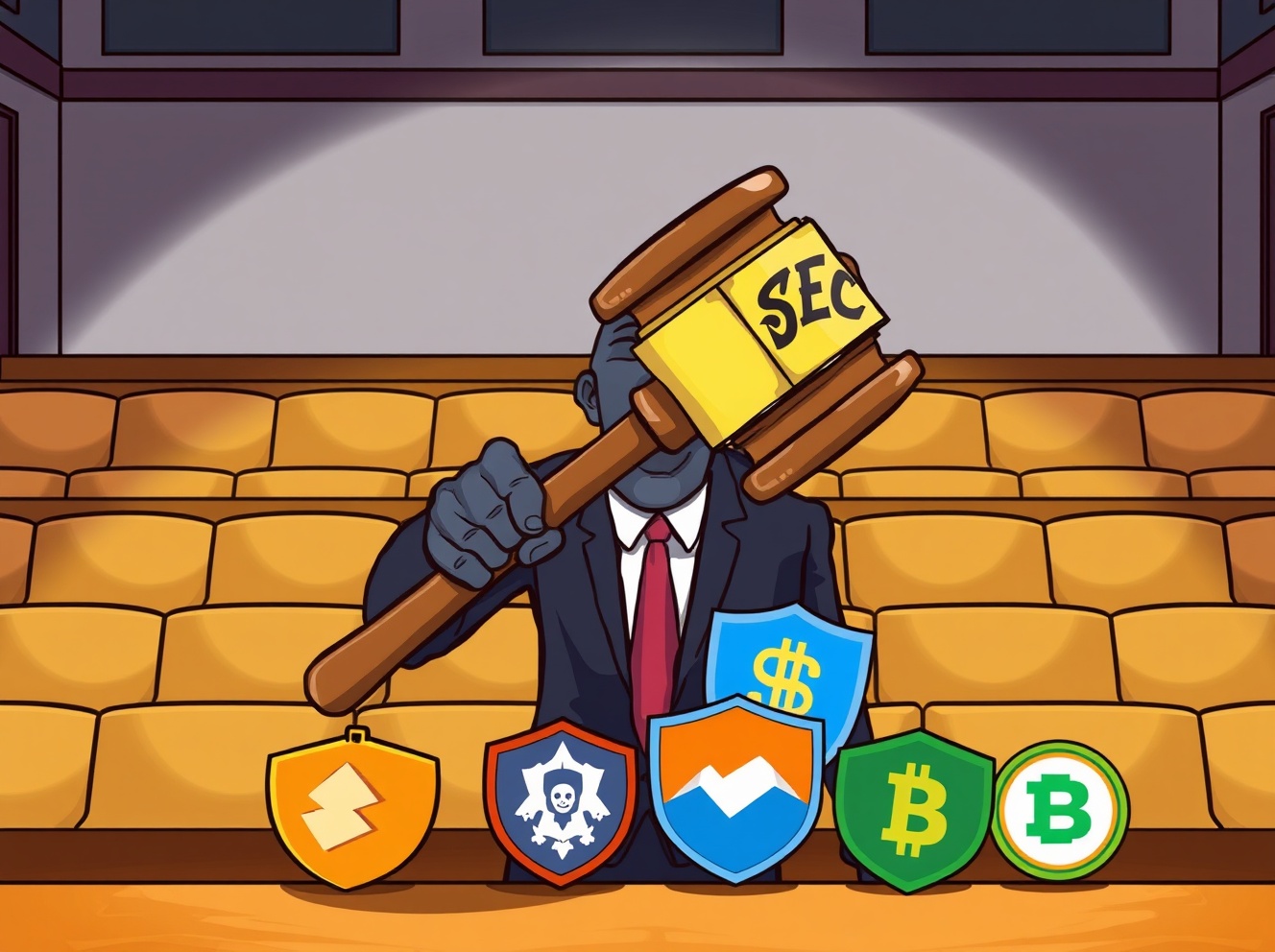
SEC Crypto Lawsuits: The Stunning Halt in Legal Action Under New Leadership
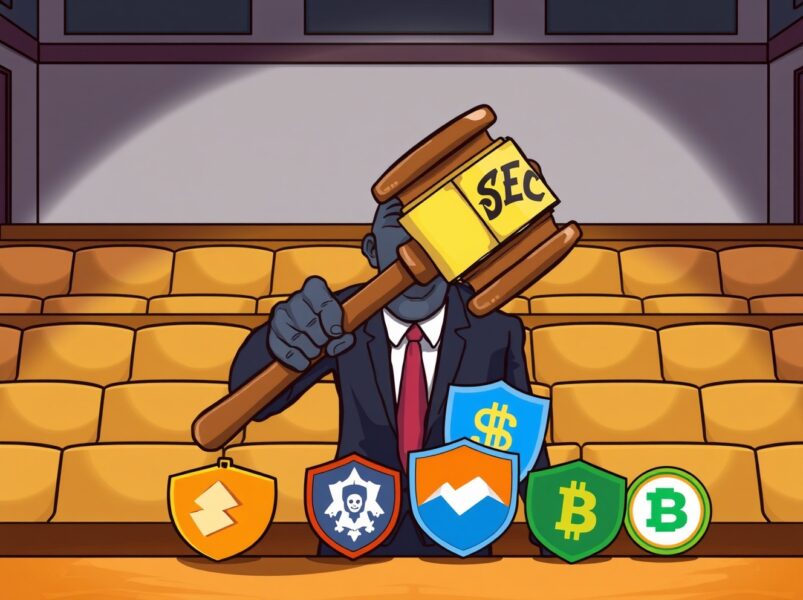
A stunning shift is underway at the U.S. Securities and Exchange Commission. Since the start of the year, the regulator has quietly halted the majority of its active SEC crypto lawsuits, a move that has ignited fierce debate about political influence and the future of digital asset enforcement. This dramatic change in legal strategy raises critical questions for the entire industry.
What Do the SEC Crypto Lawsuits Numbers Reveal?
According to reports, the SEC has moved to close 14 of its 23 ongoing cryptocurrency enforcement cases since January. The agency achieved this through a mix of voluntary withdrawals, concessions, and settlements. This represents a significant slowdown in the aggressive litigation posture championed by the previous SEC chair. The remaining nine active cases notably do not involve individuals publicly known to be close allies of the current administration.
Of the seven lawsuits the SEC chose to drop entirely, five were connected to figures with reported ties to President Trump. This pattern has not gone unnoticed. It immediately fueled speculation that political considerations, rather than purely legal ones, might be guiding enforcement priorities. In response to these claims, the SEC issued a firm statement denying any political favoritism in its crypto-related law enforcement actions.
Why Would the SEC Halt These Lawsuits?
The agency’s official stance likely points to strategic legal reasoning. However, the optics are undeniable and lead to several possible interpretations:
- Resource Reallocation: The SEC may be choosing to focus its limited resources on cases it deems more winnable or impactful to set broader legal precedents.
- Shift in Regulatory Philosophy: New leadership can signal a different approach, potentially favoring clearer guidance over enforcement-by-litigation.
- Legal Pragmatism: Some cases may have been deemed too weak or costly to pursue after further review.
Regardless of the official reason, the practical effect is a substantial reduction in legal pressure on a segment of the crypto industry. This creates a new, uncertain environment for projects that were previously in the SEC’s crosshairs.
What Does This Mean for Crypto Regulation?
This development is a double-edged sword for the cryptocurrency market. On one hand, a reduction in SEC crypto lawsuits can be seen as a relief, reducing legal overhang for certain companies and potentially fostering innovation. On the other hand, it creates regulatory ambiguity. Without clear rules or consistent enforcement, businesses struggle to operate with certainty.
The key question now is whether this pause signals a longer-term retreat or merely a strategic recalibration. Will the SEC replace lawsuits with comprehensive regulatory frameworks? The industry is watching closely, as the outcome will shape the legal landscape for years to come. This situation underscores the immense influence that presidential appointments and agency leadership have on the volatile world of digital assets.
Conclusion: A Pivotal Moment for Enforcement
The halt of most SEC crypto lawsuits marks a pivotal moment. While the SEC denies political motives, the correlation has sparked necessary conversation about the independence of financial regulators. For investors and builders in the crypto space, this episode is a powerful reminder that regulatory risk remains a dominant factor, one that can change dramatically with the political winds. The path forward requires vigilant observation of the SEC’s next moves beyond these halted cases.
Frequently Asked Questions (FAQs)
Q: How many SEC crypto lawsuits were actually halted?
A: Reports indicate the SEC has moved to close 14 out of 23 ongoing cryptocurrency enforcement cases since January.
Q: Did the SEC admit to political favoritism?
A: No. The SEC issued a statement explicitly denying any political favoritism in its crypto law enforcement actions.
Q: What happens to the crypto projects in the halted lawsuits?
A> For those where the SEC voluntarily withdrew the case, the immediate legal threat is removed. However, it does not preclude future action under different circumstances or by other regulators.
Q: Does this mean the SEC is done suing crypto companies?
A> Not necessarily. The agency still has nine active cases and may file new ones. This may represent a shift in focus or strategy rather than a complete cessation.
Q: How does this affect the average cryptocurrency investor?
A> It introduces more uncertainty into the regulatory environment. While it may reduce short-term legal risk for some projects, the lack of clear, consistent rules makes long-term planning difficult for the entire industry.
Did you find this analysis of the halted SEC crypto lawsuits insightful? The regulatory landscape is constantly shifting. Share this article on social media to help others in the crypto community stay informed about these critical developments.
To learn more about the latest cryptocurrency regulatory trends, explore our article on key developments shaping Bitcoin and Ethereum price action amid changing policies.
This post SEC Crypto Lawsuits: The Stunning Halt in Legal Action Under New Leadership first appeared on BitcoinWorld.
Ayrıca Şunları da Beğenebilirsiniz

The Channel Factories We’ve Been Waiting For

Wyoming-based crypto bank Custodia files rehearing petition against Fed
