BitcoinWorld Bitcoin Volatility Hits Critical Low: Why Analysts Warn Against Hasty Buys Is Bitcoin’s quiet spell a calm before the storm or a sign of deeper stagnationBitcoinWorld Bitcoin Volatility Hits Critical Low: Why Analysts Warn Against Hasty Buys Is Bitcoin’s quiet spell a calm before the storm or a sign of deeper stagnation

Bitcoin Volatility Hits Critical Low: Why Analysts Warn Against Hasty Buys
2025/12/15 13:55
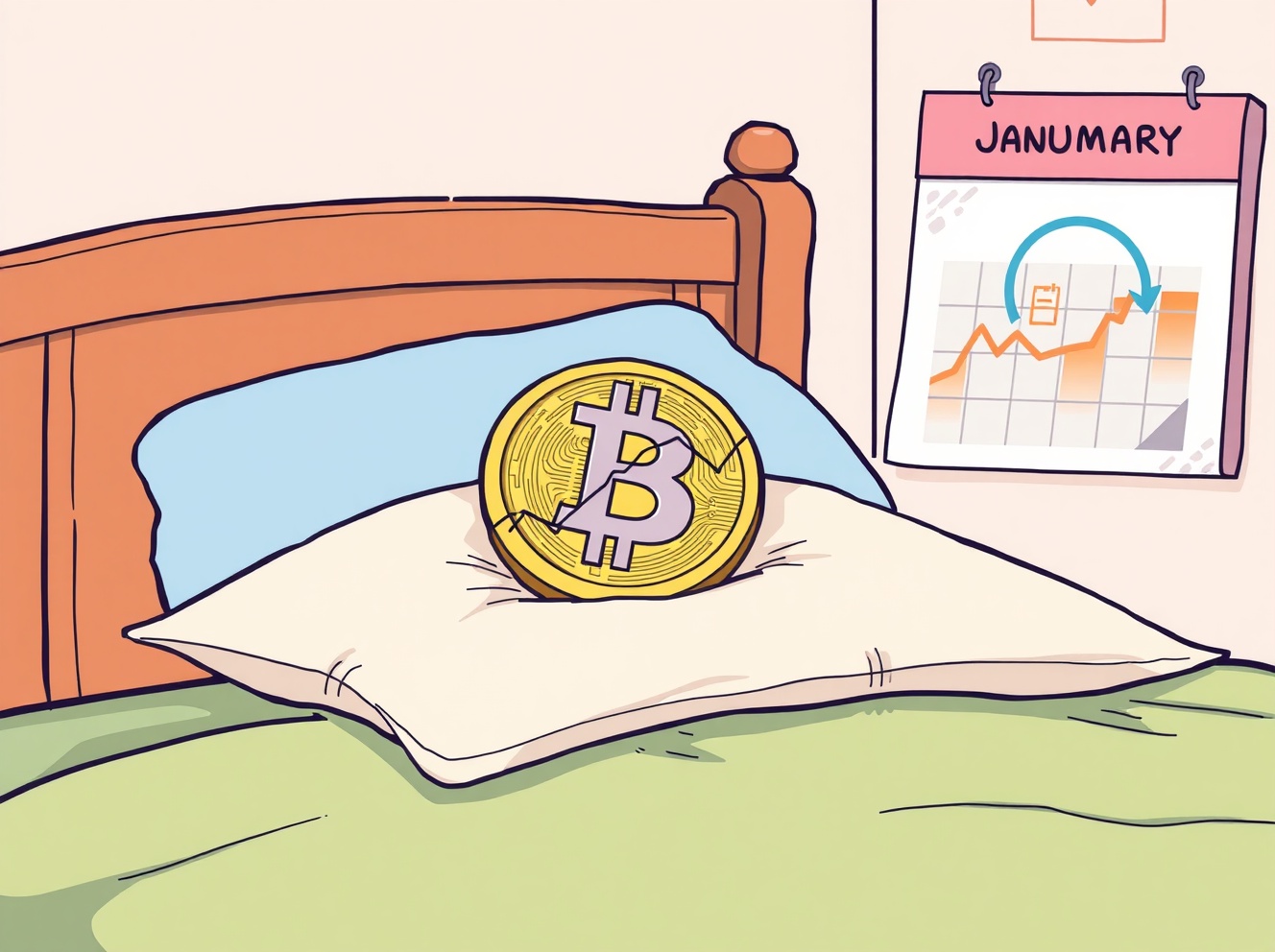
A cartoon Bitcoin sleeping on a flat line graph, symbolizing low Bitcoin volatility and a quiet market.

BitcoinWorld

Bitcoin Volatility Hits Critical Low: Why Analysts Warn Against Hasty Buys

Is Bitcoin’s quiet spell a calm before the storm or a sign of deeper stagnation? As the year draws to a close, a notable shift has gripped the market: a dramatic decline in Bitcoin volatility. According to a fresh analysis from Markus Thielen, CEO of 10x Research, this market calm is actively limiting any potential for a short-term price rebound. For investors watching the charts, understanding this dynamic is crucial for navigating the final weeks of the year.

What Does Declining Bitcoin Volatility Really Mean?

Volatility measures the rate and magnitude of price changes. High Bitcoin volatility often signals big swings and trading opportunities, while low volatility suggests a compressed, range-bound market. Thielen points to Bitcoin’s implied volatility index, a forward-looking metric, which is expected to keep falling. This isn’t just a technical observation; it reflects a fundamental cooling of market engines. The buying pressure that typically fuels rallies—from both large institutions and everyday retail investors—has noticeably slowed, according to on-chain data. When volatility contracts under these conditions, the energy for a sudden surge simply isn’t there.

Why Is a Short-Term Rebound Unlikely?

The analysis presents a clear picture. The probability of a significant price rebound in the immediate future is low. Thielen connects this directly to the persistent downtrend that has been in place since October 10th. Think of it like a coiled spring: low Bitcoin volatility means the spring isn’t being compressed with new energy. Instead, the market is in a state of equilibrium, or even fatigue. Key factors contributing to this include:

  • Reduced Institutional Activity: Large buyers are often less active during holiday periods.
  • Retail Hesitation: On-chain metrics show a slowdown in new capital entering the network.
  • Seasonal Trends: Historical patterns often show quieter markets in December.

Therefore, attempting to “buy the dip” right now might be premature. The prudent strategy, as Thielen advises, is patience.

When Could the Bitcoin Volatility and Trend Shift?

While the short-term outlook appears muted, the analysis isn’t entirely pessimistic. Thielen identifies a potential catalyst on the horizon: January. Historically, the new year has often brought renewed market activity and capital flows. A technical rebound at that time is seen as a distinct possibility. This creates a critical waiting game for investors. The current phase of low Bitcoin volatility may be the necessary consolidation before the next leg. The key is to wait for a clear, confirmed trend reversal signal rather than trying to anticipate the bottom. Jumping in too early could mean catching a falling knife instead of riding a new wave.

Actionable Insights for Crypto Investors

So, what should you do with this information? First, manage expectations. Don’t count on a Santa Claus rally for Bitcoin if current conditions hold. Second, use this period of low Bitcoin volatility for research and planning. Identify your entry points and set alerts for when key resistance levels break. Finally, practice discipline. The temptation to buy during a quiet market can be strong, but the analysis suggests greater rewards may come to those who wait for the market to show its hand in January. Remember, in crypto, timing and confirmation are often more valuable than sheer anticipation.

Conclusion: Patience Over Panic in a Quiet Market

The message from 10x Research is clear: the declining Bitcoin volatility is a market signal that demands respect. It indicates a lack of immediate fuel for a rebound, advising against hasty investment decisions. However, by recognizing this period as potential consolidation and looking ahead to historical shifts in January, informed investors can position themselves strategically. In the ever-volatile world of cryptocurrency, sometimes the most powerful move is to wait for the right moment with disciplined vigilance.

Frequently Asked Questions (FAQs)

What is Bitcoin volatility?

Bitcoin volatility refers to the statistical measure of the dispersion of returns for Bitcoin’s price. In simple terms, it shows how much and how quickly the price is changing. High volatility means large price swings, while low volatility means the price is relatively stable.

Why does low volatility limit a price rebound?

Low volatility often indicates a lack of strong buying or selling pressure. For a rebound to occur, significant new buying interest is needed to push the price upward. A calm, low-volatility market suggests this momentum is absent, making a sharp recovery less likely.

What is the implied volatility index?

The implied volatility index is a metric derived from options prices that reflects the market’s expectation of future volatility. A falling index suggests traders anticipate calmer, less turbulent price action ahead.

Should I sell my Bitcoin because of this analysis?

Not necessarily. This analysis focuses on the short-term rebound potential. It suggests waiting to buy more, not necessarily selling existing holdings. Always base sell decisions on your personal investment strategy and risk tolerance.

What is a clear trend reversal signal?

A clear trend reversal signal could be a sustained break above a key resistance level (e.g., a moving average or a previous price high) with strong trading volume. It confirms that buying pressure has overcome selling pressure.

Why is January highlighted for a potential rebound?

January often sees renewed investment activity as new capital is allocated for the year. Historically, crypto markets have sometimes experienced positive momentum in January, following quieter December periods.

Found this analysis of Bitcoin volatility and market timing helpful? Share this article with fellow investors on Twitter, LinkedIn, or your favorite crypto community to help them navigate this quiet period strategically.

To learn more about the latest Bitcoin trends, explore our article on key developments shaping Bitcoin price action and institutional adoption.

This post Bitcoin Volatility Hits Critical Low: Why Analysts Warn Against Hasty Buys first appeared on BitcoinWorld.

Piyasa Fırsatı
WHY Logosu
WHY Fiyatı(WHY)
$0.00000001529
$0.00000001529$0.00000001529
-11.46%
USD
WHY (WHY) Canlı Fiyat Grafiği
Sorumluluk Reddi: Bu sitede yeniden yayınlanan makaleler, halka açık platformlardan alınmıştır ve yalnızca bilgilendirme amaçlıdır. MEXC'nin görüşlerini yansıtmayabilir. Tüm hakları telif sahiplerine aittir. Herhangi bir içeriğin üçüncü taraf haklarını ihlal ettiğini düşünüyorsanız, kaldırılması için lütfen service@support.mexc.com ile iletişime geçin. MEXC, içeriğin doğruluğu, eksiksizliği veya güncelliği konusunda hiçbir garanti vermez ve sağlanan bilgilere dayalı olarak alınan herhangi bir eylemden sorumlu değildir. İçerik, finansal, yasal veya diğer profesyonel tavsiye niteliğinde değildir ve MEXC tarafından bir tavsiye veya onay olarak değerlendirilmemelidir.

Ayrıca Şunları da Beğenebilirsiniz

The Channel Factories We’ve Been Waiting For

The Channel Factories We’ve Been Waiting For

The post The Channel Factories We’ve Been Waiting For appeared on BitcoinEthereumNews.com. Visions of future technology are often prescient about the broad strokes while flubbing the details. The tablets in “2001: A Space Odyssey” do indeed look like iPads, but you never see the astronauts paying for subscriptions or wasting hours on Candy Crush.  Channel factories are one vision that arose early in the history of the Lightning Network to address some challenges that Lightning has faced from the beginning. Despite having grown to become Bitcoin’s most successful layer-2 scaling solution, with instant and low-fee payments, Lightning’s scale is limited by its reliance on payment channels. Although Lightning shifts most transactions off-chain, each payment channel still requires an on-chain transaction to open and (usually) another to close. As adoption grows, pressure on the blockchain grows with it. The need for a more scalable approach to managing channels is clear. Channel factories were supposed to meet this need, but where are they? In 2025, subnetworks are emerging that revive the impetus of channel factories with some new details that vastly increase their potential. They are natively interoperable with Lightning and achieve greater scale by allowing a group of participants to open a shared multisig UTXO and create multiple bilateral channels, which reduces the number of on-chain transactions and improves capital efficiency. Achieving greater scale by reducing complexity, Ark and Spark perform the same function as traditional channel factories with new designs and additional capabilities based on shared UTXOs.  Channel Factories 101 Channel factories have been around since the inception of Lightning. A factory is a multiparty contract where multiple users (not just two, as in a Dryja-Poon channel) cooperatively lock funds in a single multisig UTXO. They can open, close and update channels off-chain without updating the blockchain for each operation. Only when participants leave or the factory dissolves is an on-chain transaction…
Paylaş
BitcoinEthereumNews2025/09/18 00:09
SOLANA NETWORK Withstands 6 Tbps DDoS Without Downtime

SOLANA NETWORK Withstands 6 Tbps DDoS Without Downtime

The post SOLANA NETWORK Withstands 6 Tbps DDoS Without Downtime appeared on BitcoinEthereumNews.com. In a pivotal week for crypto infrastructure, the Solana network
Paylaş
BitcoinEthereumNews2025/12/16 20:44
Crucial Fed Rate Cut: October Probability Surges to 94%

Crucial Fed Rate Cut: October Probability Surges to 94%

BitcoinWorld Crucial Fed Rate Cut: October Probability Surges to 94% The financial world is buzzing with a significant development: the probability of a Fed rate cut in October has just seen a dramatic increase. This isn’t just a minor shift; it’s a monumental change that could ripple through global markets, including the dynamic cryptocurrency space. For anyone tracking economic indicators and their impact on investments, this update from the U.S. interest rate futures market is absolutely crucial. What Just Happened? Unpacking the FOMC Statement’s Impact Following the latest Federal Open Market Committee (FOMC) statement, market sentiment has decisively shifted. Before the announcement, the U.S. interest rate futures market had priced in a 71.6% chance of an October rate cut. However, after the statement, this figure surged to an astounding 94%. This jump indicates that traders and analysts are now overwhelmingly confident that the Federal Reserve will lower interest rates next month. Such a high probability suggests a strong consensus emerging from the Fed’s latest communications and economic outlook. A Fed rate cut typically means cheaper borrowing costs for businesses and consumers, which can stimulate economic activity. But what does this really signify for investors, especially those in the digital asset realm? Why is a Fed Rate Cut So Significant for Markets? When the Federal Reserve adjusts interest rates, it sends powerful signals across the entire financial ecosystem. A rate cut generally implies a more accommodative monetary policy, often enacted to boost economic growth or combat deflationary pressures. Impact on Traditional Markets: Stocks: Lower interest rates can make borrowing cheaper for companies, potentially boosting earnings and making stocks more attractive compared to bonds. Bonds: Existing bonds with higher yields might become more valuable, but new bonds will likely offer lower returns. Dollar Strength: A rate cut can weaken the U.S. dollar, making exports cheaper and potentially benefiting multinational corporations. Potential for Cryptocurrency Markets: The cryptocurrency market, while often seen as uncorrelated, can still react significantly to macro-economic shifts. A Fed rate cut could be interpreted as: Increased Risk Appetite: With traditional investments offering lower returns, investors might seek higher-yielding or more volatile assets like cryptocurrencies. Inflation Hedge Narrative: If rate cuts are perceived as a precursor to inflation, assets like Bitcoin, often dubbed “digital gold,” could gain traction as an inflation hedge. Liquidity Influx: A more accommodative monetary environment generally means more liquidity in the financial system, some of which could flow into digital assets. Looking Ahead: What Could This Mean for Your Portfolio? While the 94% probability for a Fed rate cut in October is compelling, it’s essential to consider the nuances. Market probabilities can shift, and the Fed’s ultimate decision will depend on incoming economic data. Actionable Insights: Stay Informed: Continue to monitor economic reports, inflation data, and future Fed statements. Diversify: A diversified portfolio can help mitigate risks associated with sudden market shifts. Assess Risk Tolerance: Understand how a potential rate cut might affect your specific investments and adjust your strategy accordingly. This increased likelihood of a Fed rate cut presents both opportunities and challenges. It underscores the interconnectedness of traditional finance and the emerging digital asset space. Investors should remain vigilant and prepared for potential volatility. The financial landscape is always evolving, and the significant surge in the probability of an October Fed rate cut is a clear signal of impending change. From stimulating economic growth to potentially fueling interest in digital assets, the implications are vast. Staying informed and strategically positioned will be key as we approach this crucial decision point. The market is now almost certain of a rate cut, and understanding its potential ripple effects is paramount for every investor. Frequently Asked Questions (FAQs) Q1: What is the Federal Open Market Committee (FOMC)? A1: The FOMC is the monetary policymaking body of the Federal Reserve System. It sets the federal funds rate, which influences other interest rates and economic conditions. Q2: How does a Fed rate cut impact the U.S. dollar? A2: A rate cut typically makes the U.S. dollar less attractive to foreign investors seeking higher returns, potentially leading to a weakening of the dollar against other currencies. Q3: Why might a Fed rate cut be good for cryptocurrency? A3: Lower interest rates can reduce the appeal of traditional investments, encouraging investors to seek higher returns in alternative assets like cryptocurrencies. It can also be seen as a sign of increased liquidity or potential inflation, benefiting assets like Bitcoin. Q4: Is a 94% probability a guarantee of a rate cut? A4: While a 94% probability is very high, it is not a guarantee. Market probabilities reflect current sentiment and data, but the Federal Reserve’s final decision will depend on all available economic information leading up to their meeting. Q5: What should investors do in response to this news? A5: Investors should stay informed about economic developments, review their portfolio diversification, and assess their risk tolerance. Consider how potential changes in interest rates might affect different asset classes and adjust strategies as needed. Did you find this analysis helpful? Share this article with your network to keep others informed about the potential impact of the upcoming Fed rate cut and its implications for the financial markets! To learn more about the latest crypto market trends, explore our article on key developments shaping Bitcoin price action. This post Crucial Fed Rate Cut: October Probability Surges to 94% first appeared on BitcoinWorld.
Paylaş
Coinstats2025/09/18 02:25