

How Much Will One Bitcoin Be Worth in 2030?
The post How Much Will One Bitcoin Be Worth in 2030? appeared first on 24/7 Wall St..
Asking what one Bitcoin (CRYPTO:BTC) will be worth in 2030 feels almost absurd right now. The coin is hovering just above $60,000, down by about half from its peak last October, and the Fear and Greed Index has dropped into extreme fear. Even gold, the asset Bitcoin is supposed to replace, is getting sold off in the same scramble.
But what’s interesting is how far the long-term forecasts still tower over today’s price. Firms like ARK Invest and Standard Chartered see Bitcoin worth somewhere between $500,000 and well over a million dollars by 2030, even with the BTC price where it is today.
Five years is long enough for another Bitcoin halving and plenty else to change, which is why the only honest answer here is a price range for BTC. Working it out means asking what would have to happen for Bitcoin to reach anything close to those six- and seven-figure targets.
Bitcoin’s 2030 Price Forecasts Run From $150K to $1.5 Million
The serious Bitcoin forecasts for 2030 run from a little over $150,000 at the cautious end to $1.5 million at the most bullish. Next to a coin stuck in the low $60,000s today, even the low end sounds like a stretch.
The cautious numbers come from the big banks and the automated forecasting sites that crank out price targets from past trends. Standard Chartered, which recently pushed its timeline back, still expects Bitcoin to reach $500,000 by 2030, while those trend-based sites point to the $150,000 to $200,000 range. A few go lower still, betting Bitcoin barely climbs from here if big investors lose interest.
The bigger numbers belong to the true Bitcoin believers, and ARK Invest leads them. Cathie Wood’s firm puts its central forecast near $710,000 and its most optimistic one at $1.5 million, both built on Bitcoin becoming a serious rival to gold.
ARK Invest has said some of the everyday-payment demand it once expected Bitcoin to capture has drifted to stablecoins instead, though it has stuck by those long-term targets. Coinbase’s Brian Armstrong, Jack Dorsey, and a top strategist at Fidelity have floated their own predictions of a million dollars or more for Bitcoin by the end of the decade.
So, why such a big gap between the forecasts of smart, well-resourced people? Because they’re all arguing about the same thing, which is how much of gold’s job Bitcoin takes over. You can estimate almost everything else, but that one variable is anyone’s guess, and it’s the difference between a $200,000 Bitcoin price and a million-dollar one. That makes any 2030 forecast, at heart, a bet on how fast the world adopts Bitcoin.
What Would Drive Bitcoin to Higher Prices?
Behind every one of those sky-high targets is the same basic engine. Bitcoin’s price runs on two forces pulling against each other, which is the number of new coins entering the market and how much money wants to own them. Both are moving in Bitcoin’s favor, and that’s where the big 2030 numbers come from.
The Supply Is Almost Tapped Out
Bitcoin was built to be scarce, and that scarcity is nearly maxed out. About 95% of all the Bitcoin that will ever exist has already been mined, with under a million coins left to trickle out over the next century or so.
On top of that, the new supply keeps shrinking on a fixed schedule. Miners add around 450 coins a day right now, but the next Bitcoin halving in April 2028 will cut that to about 225, and by 2030 new coins will barely register against everything already trading.
The Demand Is Where the Big Change Happened
A few years ago, big institutions had almost no way to own Bitcoin. Now spot Bitcoin ETFs and public companies together hold about 12% of every coin in existence, and that share keeps climbing. Strategy, the software firm turned Bitcoin treasury, holds more than 800,000 coins on its own.
Moreover, governments have started buying, with the U.S. setting up a Strategic Bitcoin Reserve in 2025, and a handful of other countries are weighing the same move. But the biggest prize remains gold. Bitcoin is worth about $1.2 trillion today, while gold is worth more than twenty times that. ARK’s whole argument rests on Bitcoin slowly taking around 40% of gold’s value over time, as the younger, digital version of the same store-of-value idea.
For all that long-term pull, the demand engine is idling right now. The same ETFs that pulled in coins all year have turned into net sellers lately, which is a big part of why the price is sliding. The long-term holders are still here. The fresh buying has just paused.
Why Today’s Beaten-Down Bitcoin Price Could Be the Setup for 2030
Bitcoin moves in rough four-year cycles tied to its halvings, and right now it’s in the stretch that’s historically been weakest—the third year after a halving, which is the same period that brought the drastic lows in 2018 and 2022.
That’s why several analysts think the bottom for this cycle may still be ahead, maybe later this year and possibly down in the $50,000s. Benjamin Cowen, who tracks these cycles closely, expects a low around the final months of 2026, though others argue the ETF era has blunted the old four-year pattern and any drop will be shallower. Either way, today’s Bitcoin price in the low $60,000s looks a lot closer to the floor than the highs were.
Between now and 2030, Bitcoin has just one more halving coming, in April 2028. In past cycles, the price did most of its running in the 12 to 24 months after a halving, which points to the next big move toward 2028 and 2029. Buying during the gloom of 2026 means owning Bitcoin before that supply shock.
And while retail traders panic and the BTC ETFs bleed, the biggest buyers are quietly loading up. Even as spot Bitcoin funds shed around $6 billion over six straight weeks, treasury firms kept buying the dip. Strive added 759 coins in a single week, paying about $65,850 each.
However, Bitcoin’s low could still come lower, somewhere in the mid-$50,000s, and later than people expect. The honest risk at current prices is being early, since the long-term forecast can be right and the BTC price can still grind lower for months before it pays off.
What’s a Realistic Price for Bitcoin in 2030?
Honestly, a Bitcoin price somewhere in the low-to-mid six figures by 2030 is believable, while the million-dollar projections are a stretch. In plain return terms, reaching $250,000 means Bitcoin compounding around 35% a year from $60K, which is below its long-run average. Getting to a million means closer to double that, every single year for five years, which is a much taller order.
What could tip Bitcoin toward the high end or the low end depends on a few things. The April 2028 halving is the big one, since that’s when new supply tightens again. The rest hangs on whether ETF money starts flowing back in, whether more governments follow the U.S. into a Bitcoin reserve, and whether this cycle bottoms roughly where history says it should. If those break Bitcoin’s way over the next couple of years, the six-figure targets stop looking like fantasy.
If You’ve Been Thinking About Retirement, Pay Attention (sponsor)
Retirement planning doesn’t have to feel overwhelming. The key is finding expert guidance, and SmartAsset’s simple quiz makes it easier than ever for you to connect with a vetted financial advisor. Here’s how:
-
Answer a Few Simple Questions.
-
Get Matched with Vetted Advisors
-
Choose Your Fit
Why wait? Start building the retirement you’ve always dreamed of. Get started today! (sponsor)
The post How Much Will One Bitcoin Be Worth in 2030? appeared first on 24/7 Wall St..


Ayrıca Şunları da Beğenebilirsiniz

Solaxy Marks First Anniversary With SOLX Giveaway Amid Presale Investor Backlash

Look Past the AI Hype: The Cold, Hard Financial Metric Telling You Exactly Which Enterprise Software Giant to Buy Right Now
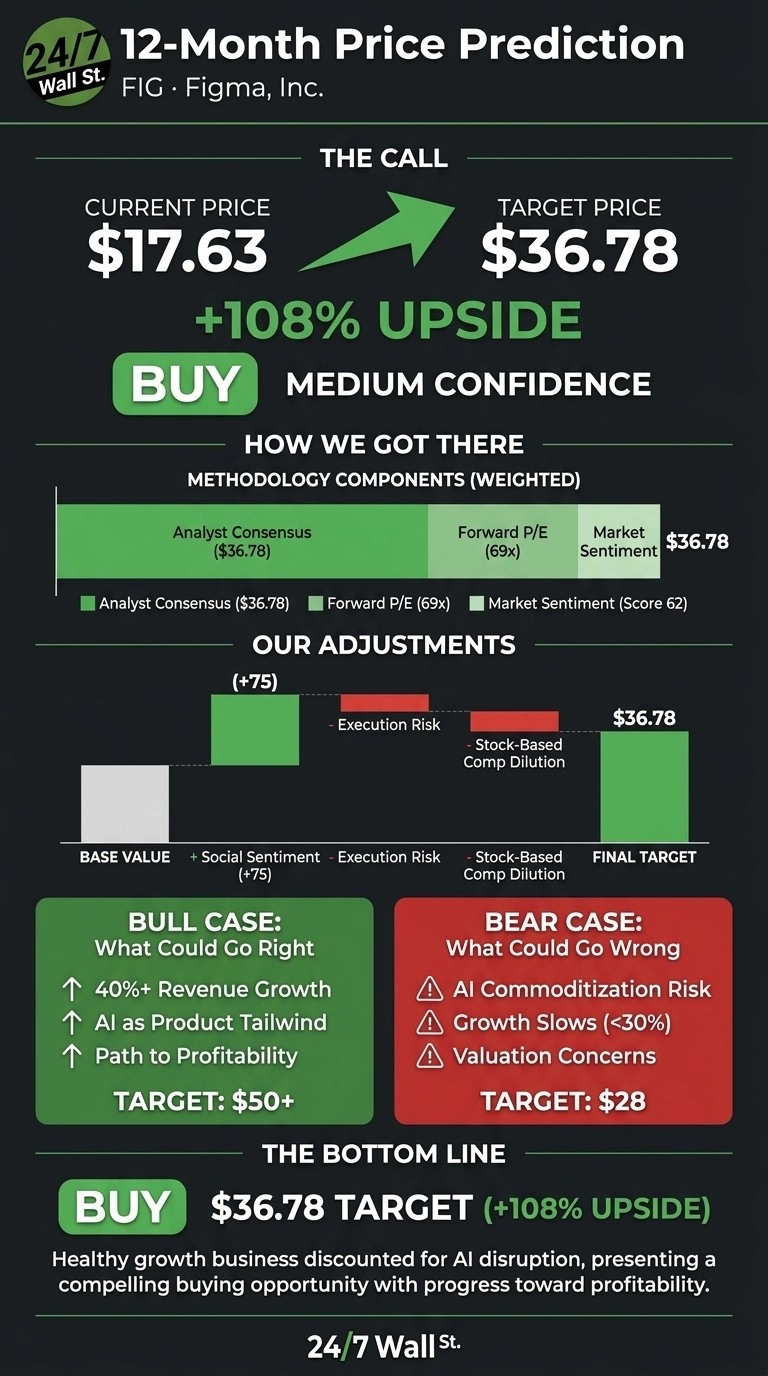
Price Prediction: Figma Stock Could Double This Year


Popüler Haberler
Daha fazla
