

Cameron Highlands Guide 2026: Things to Do & Getting There
Malaysia’s cool-climate escape that’s still an easy trip from Singapore
Cameron Highlands is the bit of Malaysia that forgot to be hot. Up at 1,500m, the air sits around 18°C, tea fields roll out to the horizon, and you can pick your own strawberries between cups of scalding milk tea. It’s a long haul from Singapore, and the road up is famously twisty, so here’s how to do it without wasting the drive.
| Quick facts | Details |
|---|---|
| Where | Pahang, Malaysia, ~200km north of Kuala Lumpur |
| Altitude / weather | Towns sit ~1,500m up; roughly 15–25°C by day, dropping to around 12°C at night, about 10–15°C cooler than the lowlands |
| How to get there | Fly or drive to KL, then ~3.5–4 hrs by car or bus; direct coaches also run from Singapore |
| Time needed | 2 days 1 night minimum; 3D2N is the sweet spot |
| Top draws | BOH tea plantation, strawberry farms, the Mossy Forest, new Flora Park |
| Pay with | Tap your YouTrip card in ringgit (0% FX); withdraw MYR from a local ATM |
Cameron Highlands at a glance
| Attraction | Good for | Cost | Time |
|---|---|---|---|
| BOH Tea Centre, Sungai Palas | The tea view + café | Free entry | 1–2 hrs |
| Mossy Forest | Misty boardwalk, nature | Jeep + entry fee (see below) | Half a day |
| Big Red Strawberry Farm | Pick-your-own, families | Free entry, pay per punnet | 1 hr |
| Cameron Highlands Flora Park | Flower gardens, photos | 50 MYR (~S$15) adult | 1–2 hrs |
| Kea Farm Market | Strawberries, produce, plants | Free to browse | 1 hr |
| Hiking trails | Tea-field walks, viewpoints | Free | 1–4 hrs |
Table of Contents
- What Makes Cameron Highlands So Special?
- How High Is Cameron Highlands (and How Cold Does It Get)?
- Best Time to Visit (and What to Do When It Rains)
- How to Get to Cameron Highlands from Singapore
- Best Things to Do in Cameron Highlands
- The Tea Estates
- Strawberry & Honey Farms
- Flower Gardens & Parks
- Animals, Markets & New Attractions
- Nature, Temples & Hikes
- Where to Eat in Cameron Highlands
- Where to Stay in Cameron Highlands
- Sample 3D2N Cameron Highlands Itinerary
- Paying in Malaysia: Cards, Cash and Ringgit
- FAQ
What Makes Cameron Highlands So Special?
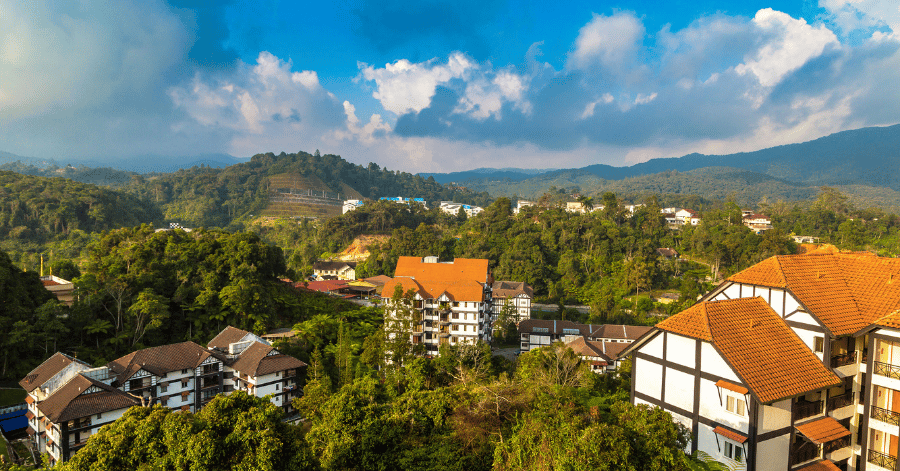
The cool weather, mostly. Cameron Highlands is one of the few places within easy reach of Singapore where you’ll actually want a jumper, and that climate is what built everything else: the tea estates, the strawberry farms, the flower nurseries and the colonial-era hill-station charm.
This is tea country first and foremost. The rolling green plantations you’ve seen all over Instagram are real, and you can walk right into them. Add pick-your-own strawberries, cactus and flower gardens, honey bee farms, mossy cloud forest and a string of cosy cafés, and you’ve got a trip that skews relaxed and scenic rather than fast and flashy.
It’s also refreshingly old-school. There’s no casino, no giant theme park, no glitzy mall. People come up here to slow down, eat steamboat in the cold, and breathe air that isn’t 32°C. If that sounds like your kind of weekend, it delivers.
 Related Guide: After more cool-air Malaysia? Our Genting Highlands guide covers the theme-park-and-casino highland an hour from KL.
How High Is Cameron Highlands (and How Cold Does It Get)?
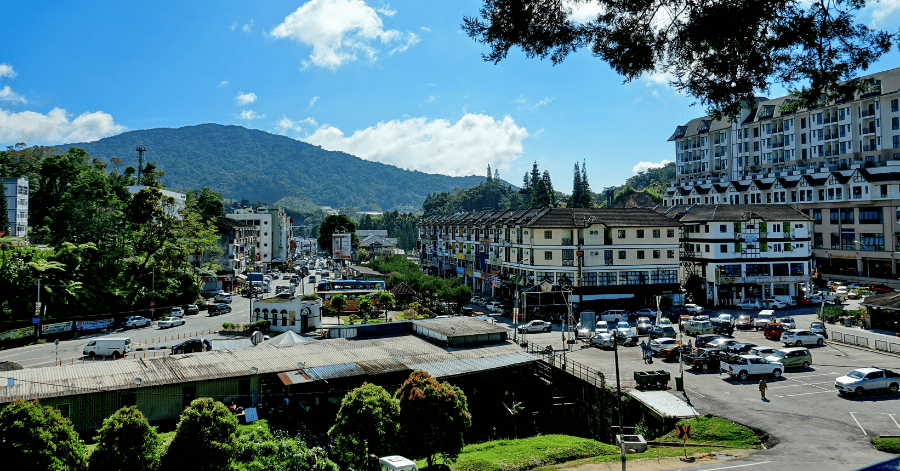
The main towns sit around 1,500m above sea level, with the region climbing to 2,032m at Gunung Brinchang, the highest point in Peninsular Malaysia you can reach by road. Tanah Rata, the main hub, is at about 1,440m.
That altitude is the whole point. Daytime temperatures generally sit between 15 and 25°C, dropping to the low-to-mid teens at night and early morning (occasionally near 10°C on the coldest nights), which makes it roughly 10–15°C cooler than KL or Singapore. Pack a light jacket or hoodie, because evenings genuinely get cold, especially up at the Mossy Forest.
Does it ever snow? No, this is still Malaysia, just a much chillier corner of it. What you get instead is morning mist rolling over the tea fields, cool nights perfect for hotpot, and the rare Southeast Asian holiday where you won’t be sweating through your shirt by 9 AM.
Related Guide: Ultimate LEGOLAND Malaysia Guide: Rides, Prices, Tips
Best Time to Visit (and What to Do When It Rains)
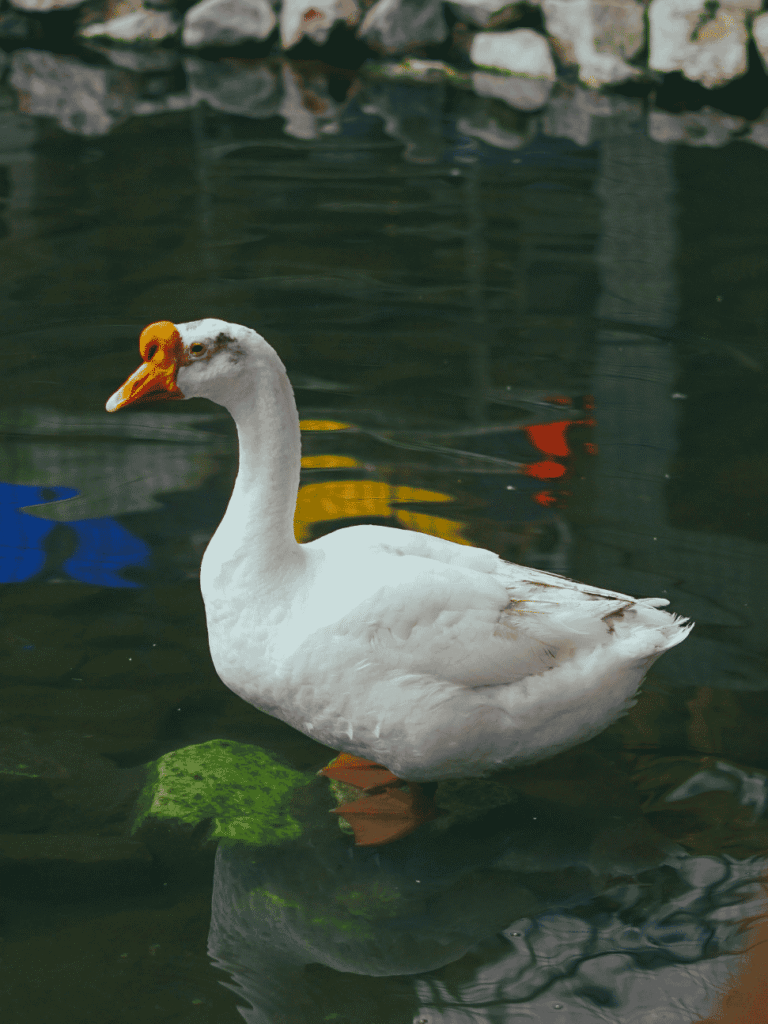
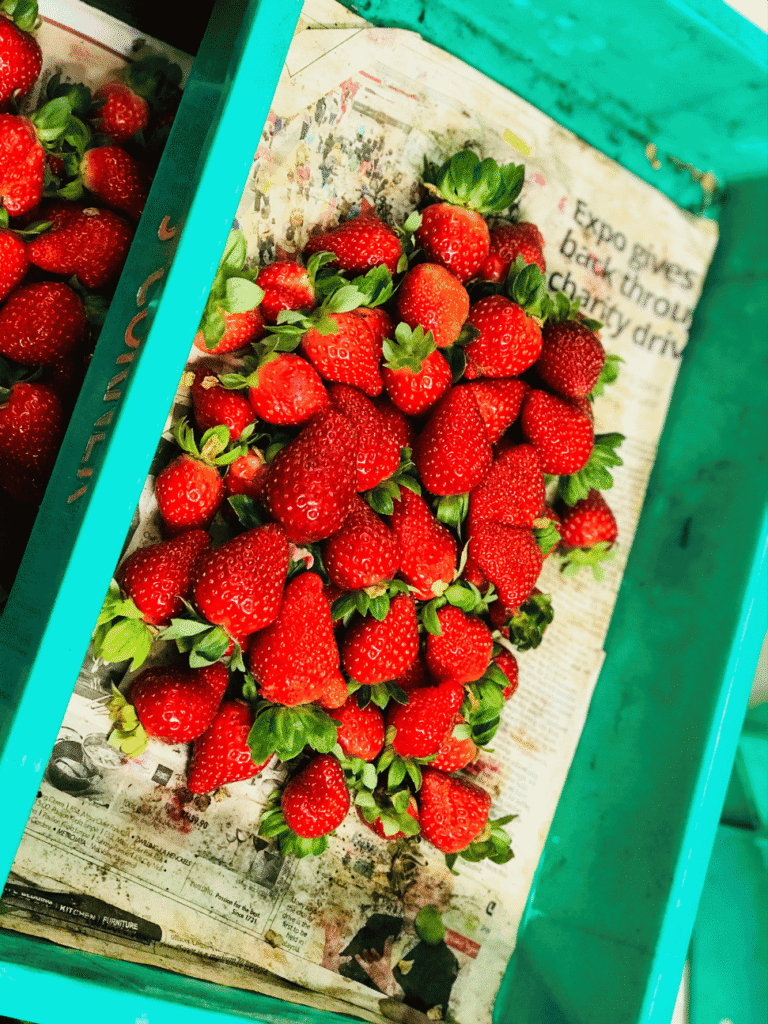
The driest, most reliable months are roughly February to April, with June to October also fairly dry. These are the best windows for tea-field walks, the Mossy Forest and farm-hopping without an afternoon downpour writing off your plans.
That said, Cameron Highlands is cool and damp year-round, and short rain showers can roll in any month, usually in the late afternoon. The wetter stretch tends to run around October to December, with October often the wettest month, when heavier rain raises the risk of landslides and slippery mountain roads, so build in extra buffer if you’re driving then.
Rain isn’t a trip-killer here. When it pours, duck into a tea-house café for scones and a pot of BOH, browse the covered stalls at Kea Farm market, warm up over a steamboat lunch, or visit one of the indoor butterfly and bee farms. Mornings are usually clearest, so front-load your outdoor plans and keep the afternoons flexible.
Related Guide: Want Malaysia at sea level instead? Our Penang travel guide trades cool highlands for heritage streets and hawker food.
How to Get to Cameron Highlands from Singapore
There’s no airport at Cameron Highlands, so every route funnels through the lowlands first: you either drive the whole way, take a direct coach, or fly to Kuala Lumpur (or Ipoh) and finish by road. Whichever you pick, the final climb is winding and slow, so plan for it.
By car (self-drive)
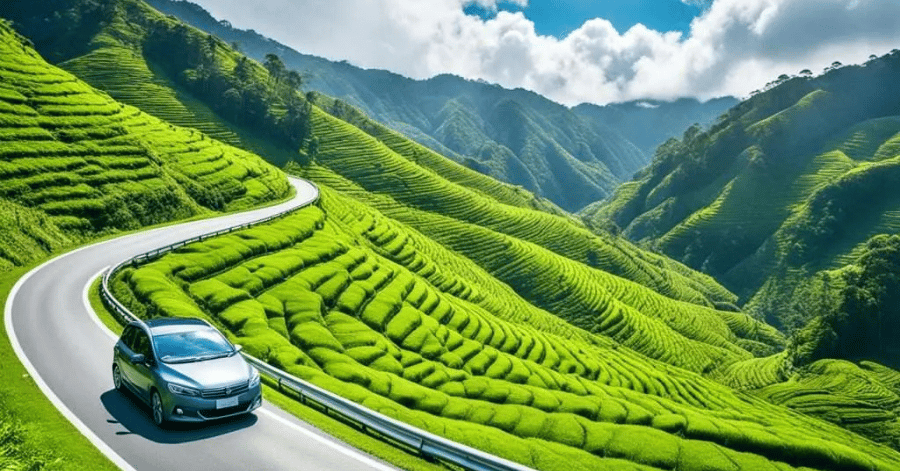
Image Credits: Gem Car Rental
Driving gives you the most freedom once you’re up, since attractions are spread across several towns with patchy public transport. From Singapore it’s roughly 560km and about 7–8 hours behind the wheel, not counting the Causeway queue, so most people break the journey with a night in KL or Ipoh.
The two mountain approaches are the older, twistier Tapah road (Route 59) from the south and the newer, gentler Simpang Pulai road (Route 185) near Ipoh. The Simpang Pulai route is the smoother drive and the kinder one if anyone in the car gets carsick. Either way, take it slow. The roads are narrow with plenty of hairpins.
By bus
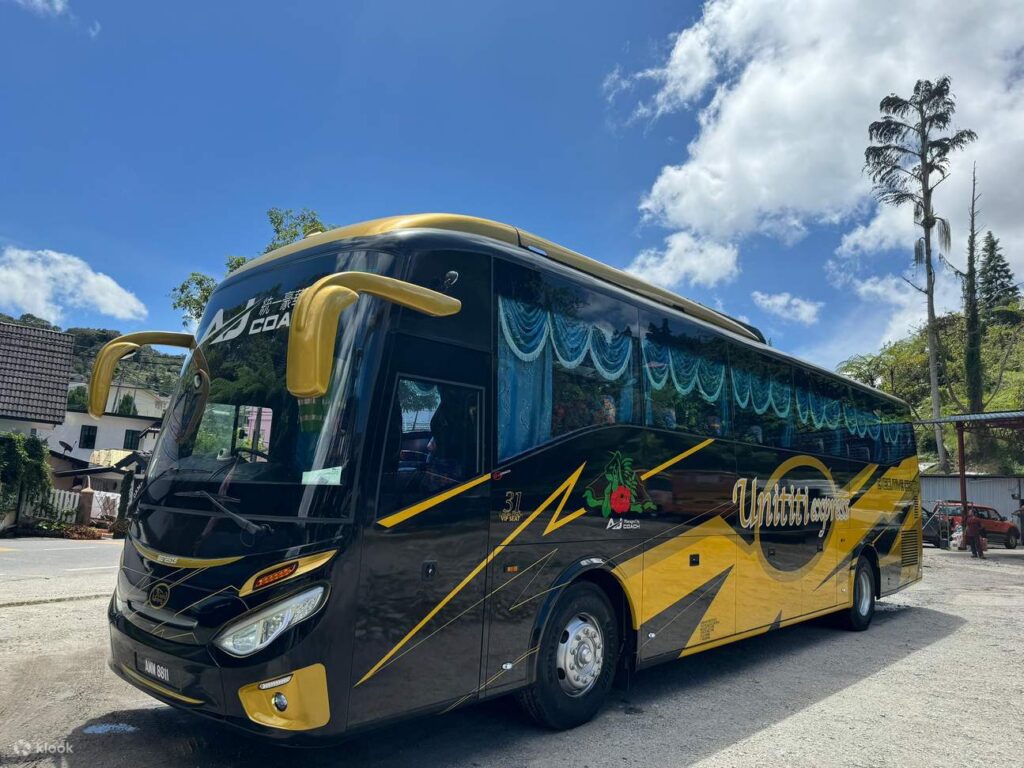
Image Credits: Klook
Coaches run from Singapore up to Cameron Highlands, usually with a transfer in KL, on a long ride of around 9–11 hours including the border. The more common approach is to bus to KL first, then catch a connecting coach from KL’s TBS terminal (Terminal Bersepadu Selatan) to Tanah Rata, which takes about 3.5–4 hours and costs from around 35 MYR (~S$11).
By train and bus via Ipoh
There’s no train into Cameron Highlands itself, but you can take Malaysia’s KTM ETS train up to Ipoh, then continue by bus or taxi for the final 1.5–2 hours up the mountain. It’s a scenic, comfortable way to cover the long lowland stretch, and Ipoh’s old town and food make a worthy stopover if you’ve got the time.
From Kuala Lumpur
KL is the most common springboard. Cameron Highlands sits about 200km north, roughly a 3.5–4 hour drive, longer on weekends and holidays. You can self-drive, grab a seat on a TBS–Tanah Rata coach, or book a private transfer. If you’re flying in from Singapore, this fly-to-KL-then-bus combo is usually the least painful way up.
Related Guide: Stopping over on the way up? Our 48 hours in Kuala Lumpur itinerary makes the gateway city a trip of its own, and if you’re driving across, sort your VEP for Malaysia before you go.
Best Things to Do in Cameron Highlands
The headline acts are tea, strawberries and the Mossy Forest, but there’s a stack of newer spots the older guides haven’t caught up on. There’s far more here than two days can hold, so they’re grouped by type below. Pick the ones that match your trip.
The Tea Estates
The plantations are the reason most people come, and the two big names sit on opposite sides of the valley.
1. BOH Tea Centre, Sungai Palas
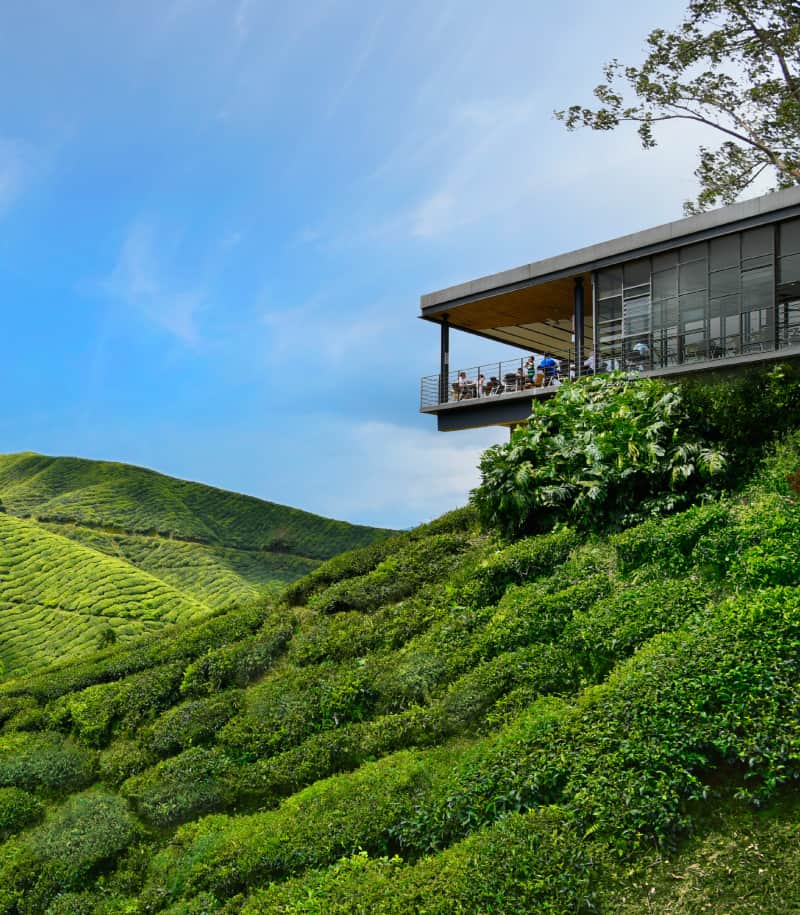
Image Credits: Boh Tea
The most famous tea estate in the highlands, and the one to prioritise. Founded in 1929, BOH’s Sungai Palas centre is free to enter and gives you the postcard view: emerald tea bushes terracing down the valley, with a glass-walled café cantilevered over the slope so you can sip a pot of BOH with the plantation right under you. There’s a short factory tour and a shop too.
If you’re an early riser, the nearby Sungai Palas viewpoint and its watchtower are stunning at sunrise, with 360° views over the mist-filled valley (guided sunrise tours leave Tanah Rata around 6 AM). It can otherwise get busy, and the access road is narrow, so go earlier in the day.
2. Bharat Tea Plantation (Cameron Valley)
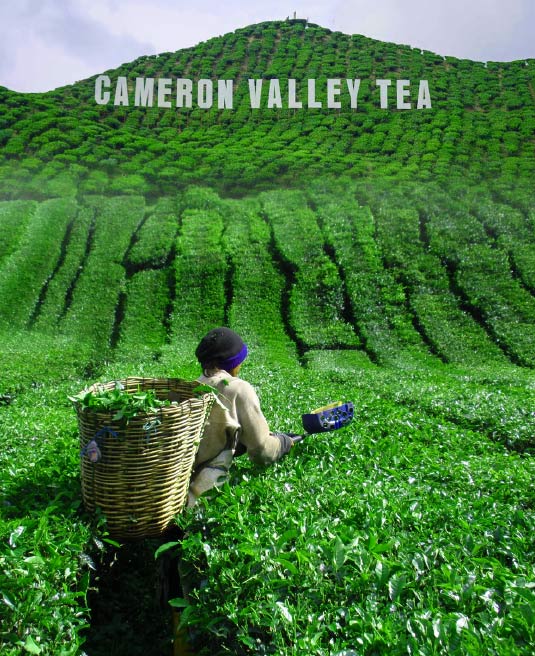
Image Credits: Cameron Valley Tea
The other big tea name, going since 1933 and now the country’s second-largest tea producer, and an easier roadside stop than BOH. The Bharat (Cameron Valley) estate has tea houses right by the main road where you can order tea and scones with the green hills as your backdrop, no detour required.
There’s a short signposted plantation walk for a small fee of around 4 MYR (~S$1) if you want to get in among the bushes.
Strawberry & Honey Farms
Pick-your-own berries and farm cafés are the highlands’ second obsession, and most are free to enter.
3. Big Red Strawberry Farm
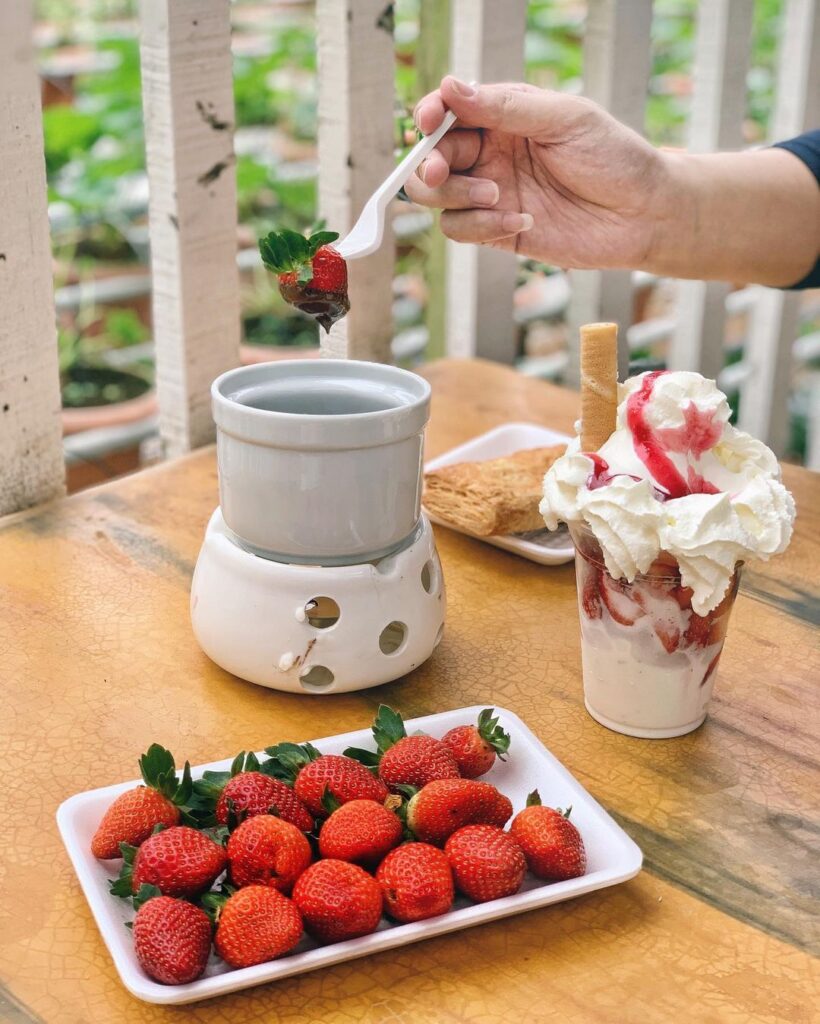
Image Credits: KL Foodie
Strawberries are the highlands’ other obsession, and Big Red is one of the most popular farms to pick your own. Entry is free; you pay for what you pick, plus there’s a café doing strawberry everything, from fresh juice to ice cream to chocolate-dipped berries. Hydroponic rows make it tidy and family-friendly.
Pick-your-own availability depends on the season, so check ahead 
4. Raju’s Hill Strawberry Farm
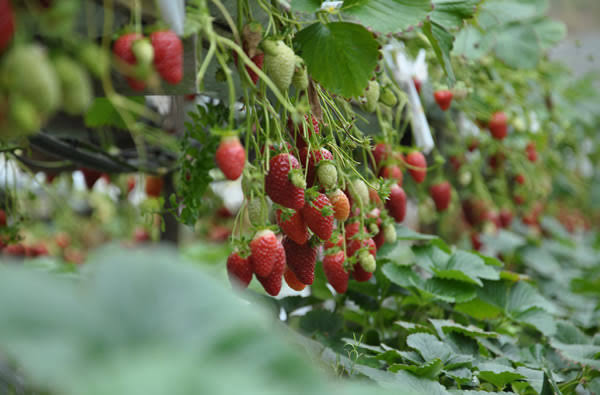
Image Credits: Cameron.com.my
A quieter, more local-feeling alternative to Big Red, and a favourite for exactly that reason. Entry is free, and you pay by weight for whatever you pick, then reward yourself at the hilltop café with strawberry waffles, scones and milkshakes. The valley views from up here are a bonus.
Picking depends on the season, so check before you go
5. Ee Feng Gu Honey Bee Farm
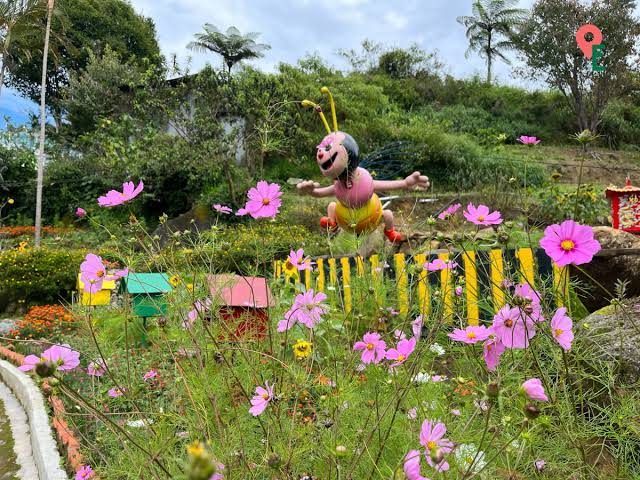
Image Credits: Explore Camerons Tour Service
A quick, free stop that kids love. You’ll see rows of bee boxes, learn a little about local honey, and best of all, try the honey ice cream the place is known for. There’s a shop stacked with honey and bee products if you want to take some back. Easy to pair with Kea Farm next door.
Flower Gardens & Parks
If you’re here for blooms and photos, this is your cluster. Most charge a small entry fee and sit close together around Brinchang and Kea Farm.
6. Cactus Valley
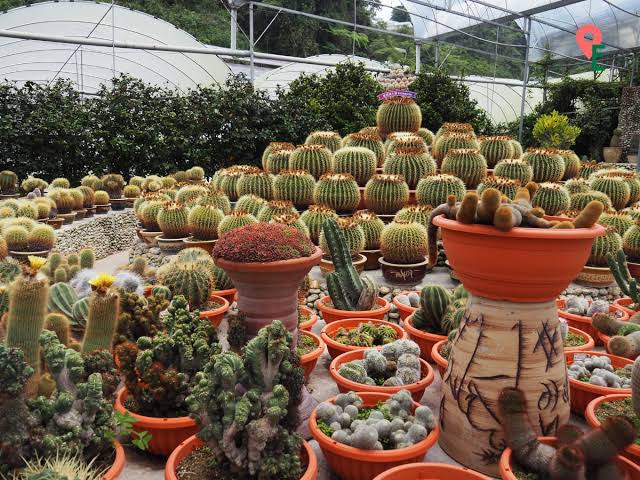
Image Credits: Explore Camerons Tour Service
A surprisingly fun stop, even if cacti aren’t your thing. This terraced garden near Brinchang is packed with cacti, succulents and flowers across multiple levels, plus a café and a small shop selling potted plants you can take home.
Entry is cheap, around 5 MYR (~S$1.50).
7. Cameron Lavender Garden
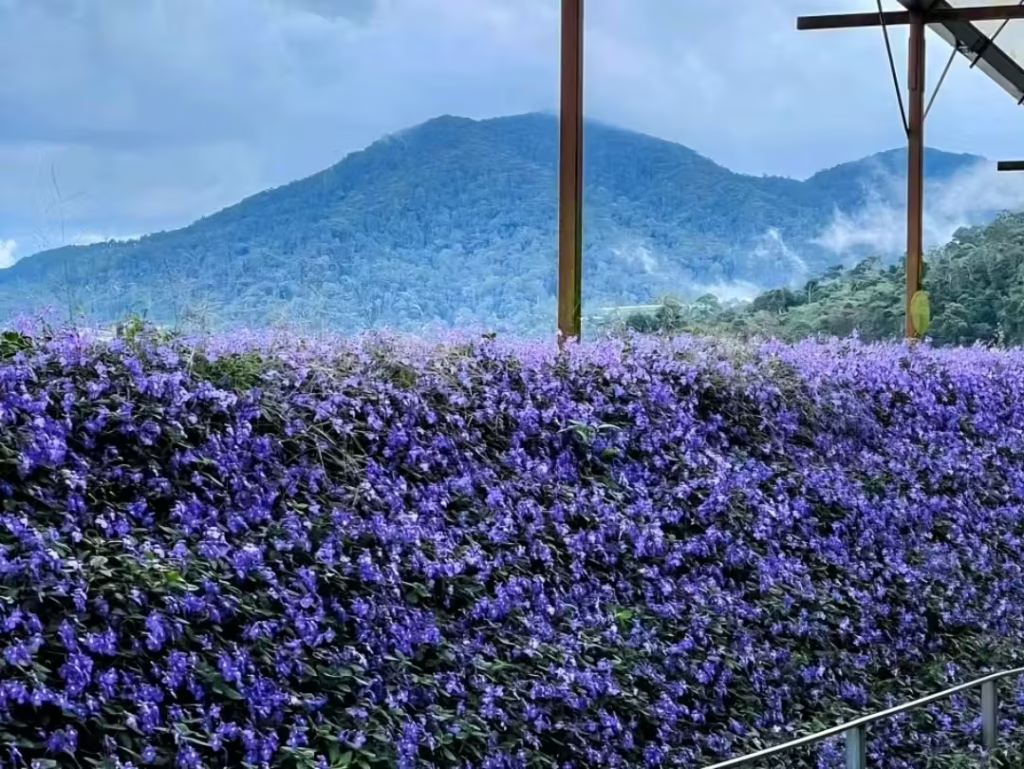
Image Credits: Trip.com
The purple-everything photo spot. A sprawling lavender-themed garden near Kea Farm, dotted with hydrangeas, roses and several lavender varieties suited to the cool climate, plus a café and the kind of viewpoints made for the camera.
Don’t expect endless Provence-style purple fields, the lavender grows in more modest patches, but it still photographs beautifully. Entry runs roughly 10–20 MYR (~S$3–6).
8. Rose Centre
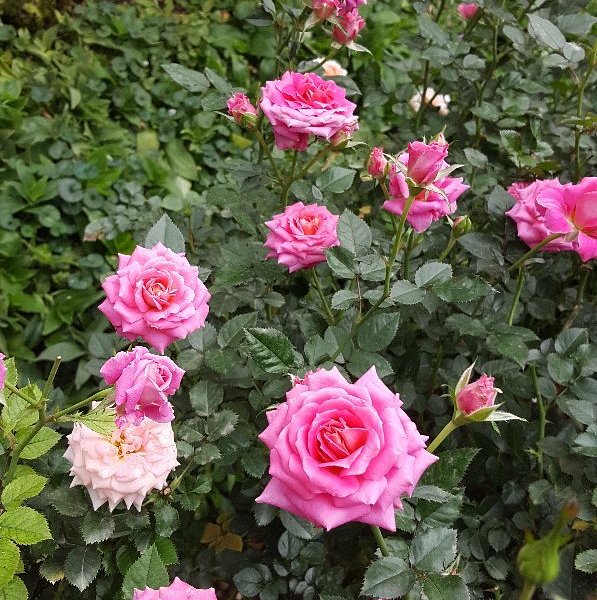
Image Credits: Tripadvisor
A hillside rose garden terraced over around ten levels, with thousands of blooms, quirky garden sculptures and sweeping views from the top. It’s a steady climb up the terraces, so wear comfy shoes. Entry is cheap, around 3–5 MYR (~S$1–1.50).
9. Cameron Highlands Flora Park
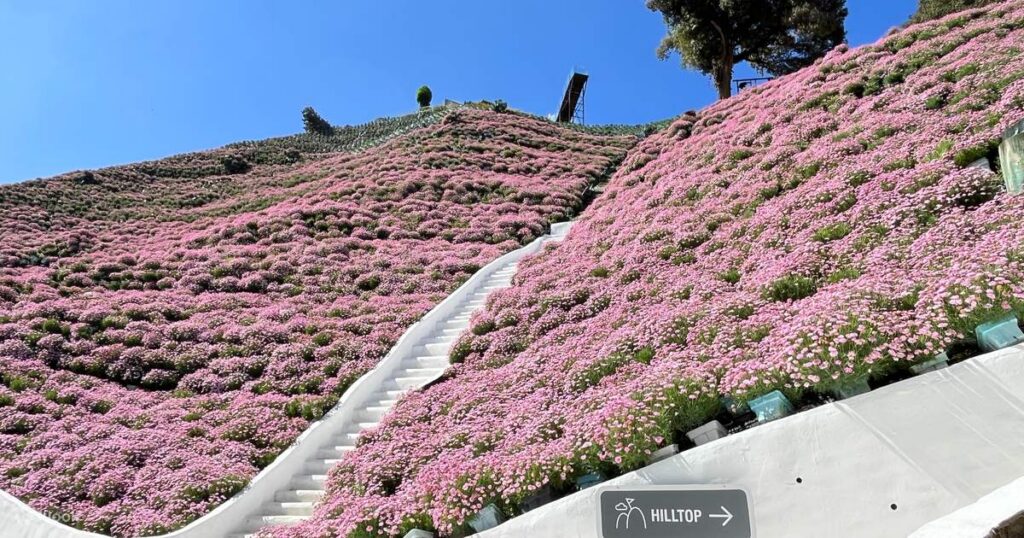
Image Credits: Klook
The big new draw, and the most photographed spot in the highlands right now. Flora Park is a sprawling landscaped flower garden with themed sections, a maple bridge, stairways of blooms and viewpoint cafés.
Adult entry is 50 MYR (~S$15), and children under 12 are 10 MYR (~S$3), opening roughly 9:30 AM to 7 PM. Access is by shuttle from the pick-up point. You can’t drive straight to the gate.
10. MARDI Agro Technology Park
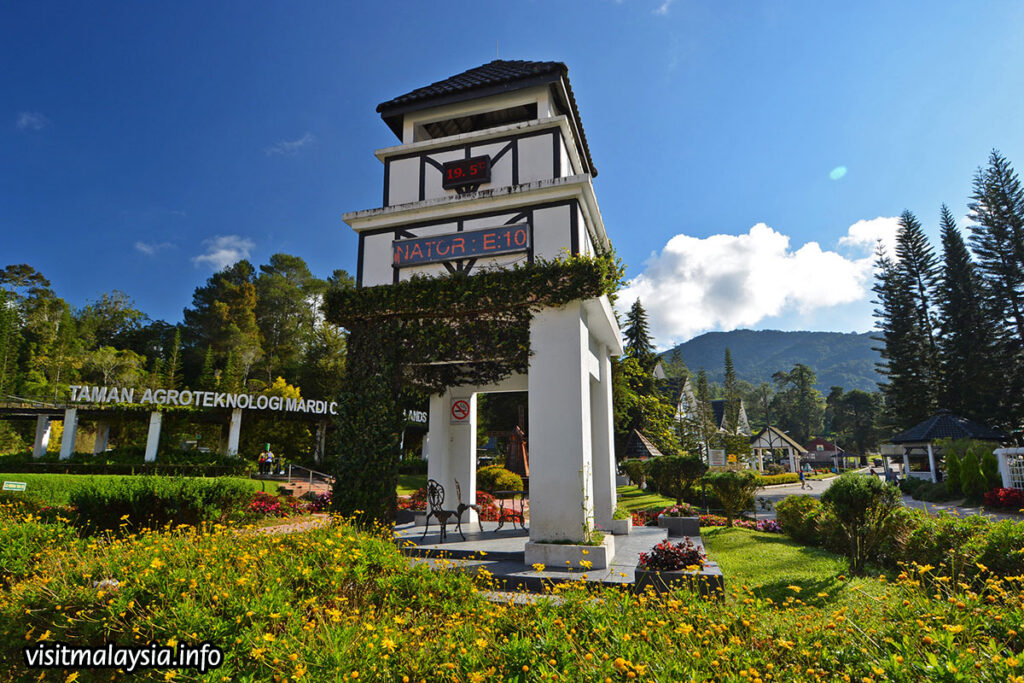
Image Credits: visitmalaysia.info
The government’s agricultural research park, opened to visitors with themed gardens covering everything from temperate fruit and herbs to flowers and farming tech. It’s more educational than flashy, but a genuine look at why this region grows what it does. Open daily except Tuesdays, with a small entry fee of around 5 MYR (~S$1.50).
Animals, Markets & New Attractions
The easy, low-effort stops, plus the 2024 openings the older guides haven’t caught up on yet.
11. Cameron Highlands Butterfly Garden
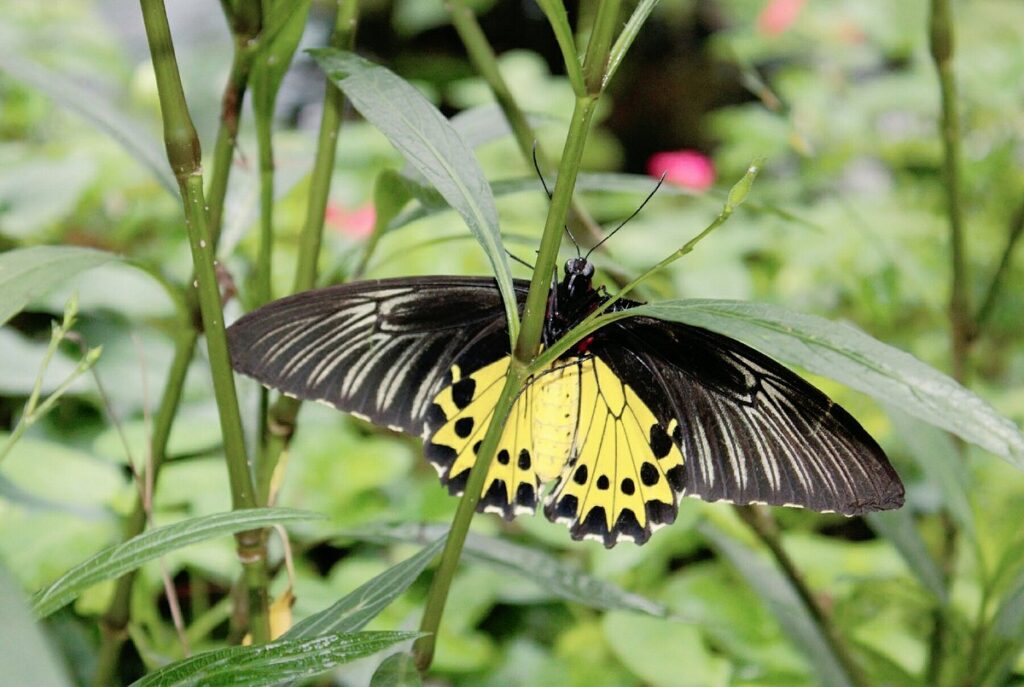
Image Credits: Tripadvisor
A live insect garden at Kea Farm with butterflies, beetles, stick insects and a few other creepy-crawlies. Beyond the butterflies you’ll spot scorpions, snakes and the odd giant stick insect, and there’s usually a small reptile section too. Plan on a quick 30 to 45 minutes, and since it sits right by Kea Farm, bundle the two into one stop.
12. The Sheep Sanctuary

Image Credits: Klook
A small farm near Kea Farm where you can buy a handful of feed and get up close with the flock. Feed costs just a few ringgit a bag, and there’s often a small petting-animal corner too, so it’s an easy family win. Go earlier in the day before the sheep are stuffed and start ignoring everyone, and pair it with Kea Farm market right across the way.
13. Kea Farm Market
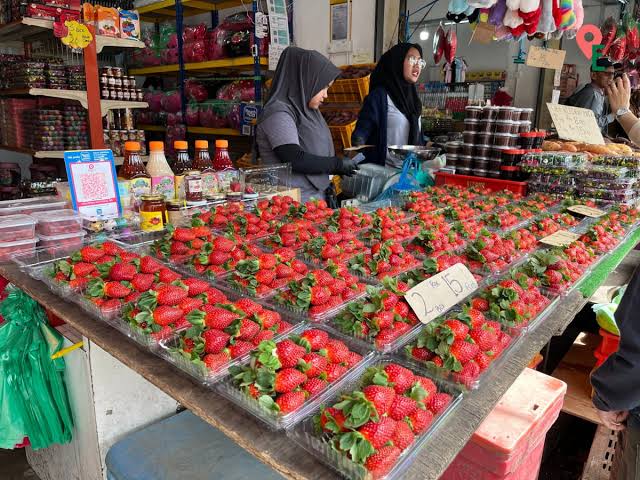
Image Credits: Explore Camerons Tour Service
The highlands’ busiest roadside market, stacked with strawberries, fresh highland vegetables, succulents and flowers (cheap potted plants are a common buy). It’s a good spot to graze on roasted corn and strawberry snacks and pick up cheap produce.
It’s busiest on weekends and public holidays when the tour buses roll in, so come around breakfast time to beat the crush, and grab parking at one of the nearby strawberry farms and walk over.
14. Tokyo Town
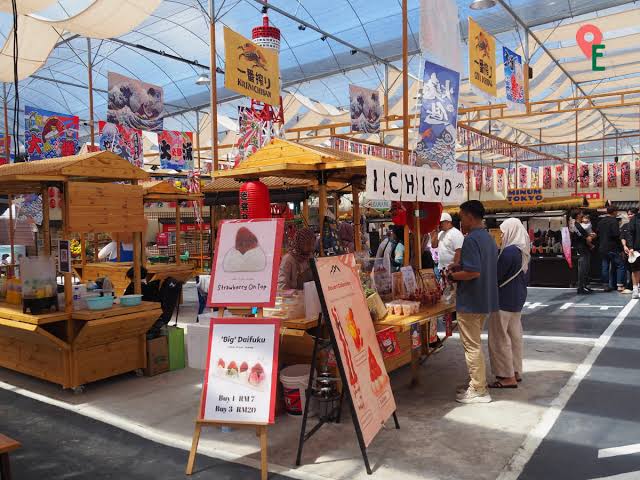
Image Credits: Explore Camerons Tour Service
One of the newest themed attractions, opened in 2024. It’s a Japanese-styled food-and-shopping street in Brinchang, heavy on photo spots, torii gates and Japanese snacks. More a fun hour of browsing and eating than a half-day affair, and it’s free to wander in.
15. Hobbitoon Village
Image Credits: Klook
Also a 2024 opening, over at Simpang Pulai on the way up. It’s a cluster of Lord-of-the-Rings-style hobbit houses built into a green hillside, plus a fairy-tale garden and animal-feeding areas, squarely aimed at families and Instagrammers.
Nature, Temples & Hikes
For everyone who’d rather be outdoors than in a flower garden, this is the active, scenic side of the highlands.
16. Mossy Forest
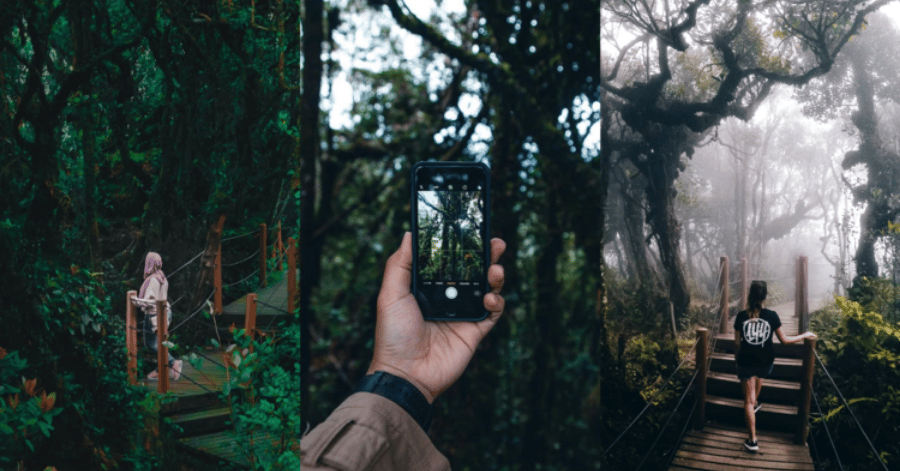
Image Credits: Klook
A genuinely otherworldly cloud forest near the summit of Gunung Brinchang, draped in moss and ferns and usually wrapped in cool mist. A raised boardwalk lets you walk through it without trampling the fragile ground.
Important update: you can no longer drive your own car up. Access is now via registered jeep or an organised tour only, with a checkpoint partway up, and there’s a conservation entry fee on top of the transport.
Budget roughly 15–20 MYR (~S$5–6) per person for the jeep, plus an entry fee (around 10 MYR for locals, more for foreign visitors).
Confirm current transport arrangements and fees before you go, as the rules here have changed recently
17. Sam Poh Temple
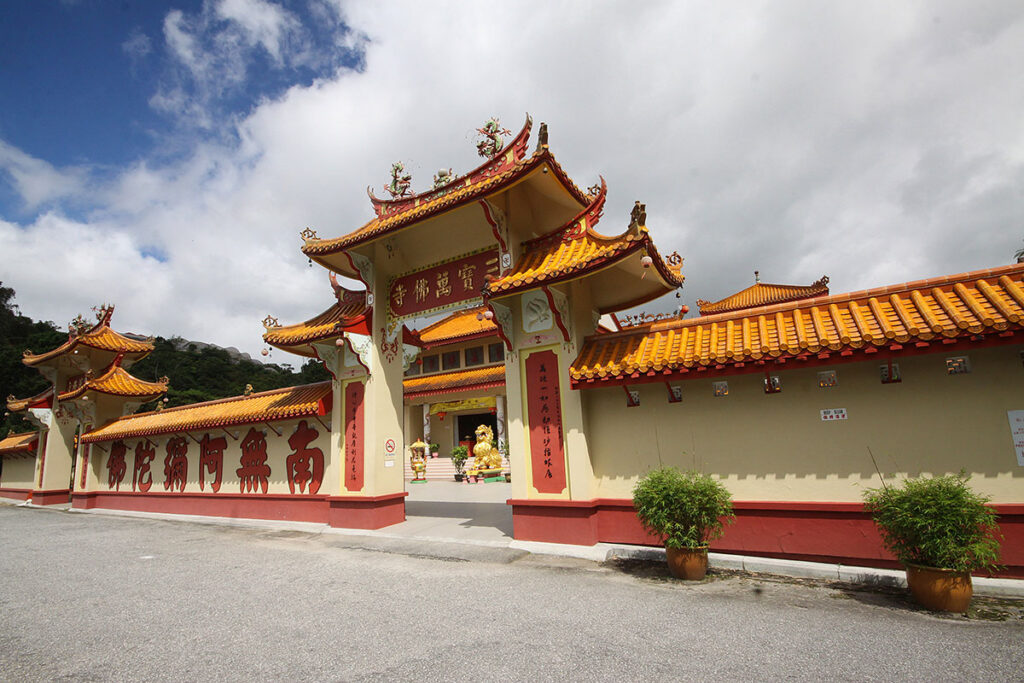
Image Credits: Cameron Highlands
A colourful Buddhist temple up in Brinchang with a large golden Buddha, guardian statues and mountain views, all free to visit. Look for the rows of Buddha figures, the laughing Buddha and the bell you can ring for luck, and dress modestly inside the prayer halls.
It’s a quick 20 to 30 minute stop and one of the larger temples in the highlands, sitting close to the Brinchang night market and Tokyo Town if you want to chain a few together.
18. Lata Iskandar Waterfall
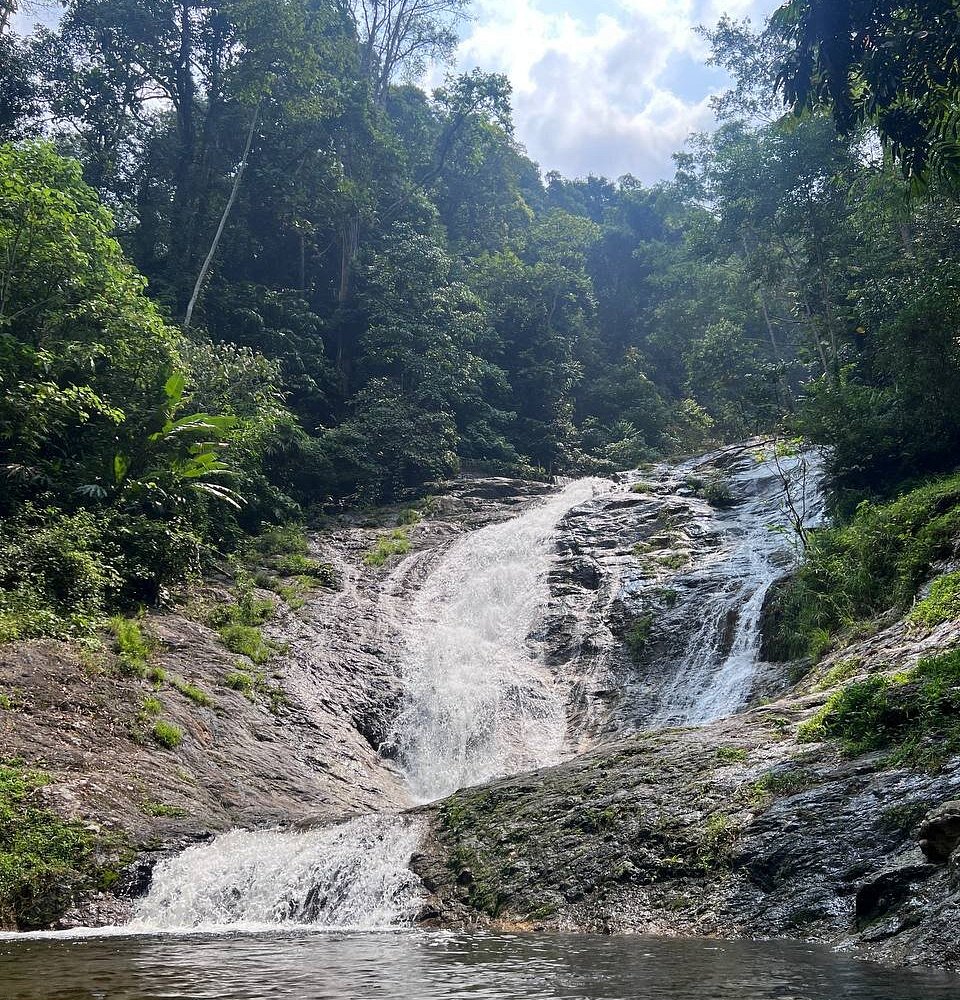
Image Credits: Tripadvisor
If you take the Tapah road up or down, this roadside waterfall is a worthwhile free stop. The cascade is easy to reach, and there are stalls selling snacks, local honey and Orang Asli handicrafts nearby.
It works best as a leg-stretch on the drive in or out rather than a special trip from town, so time it for when you’re passing anyway. Mind the slippery rocks if you go close to the water.
19. Robinson Falls
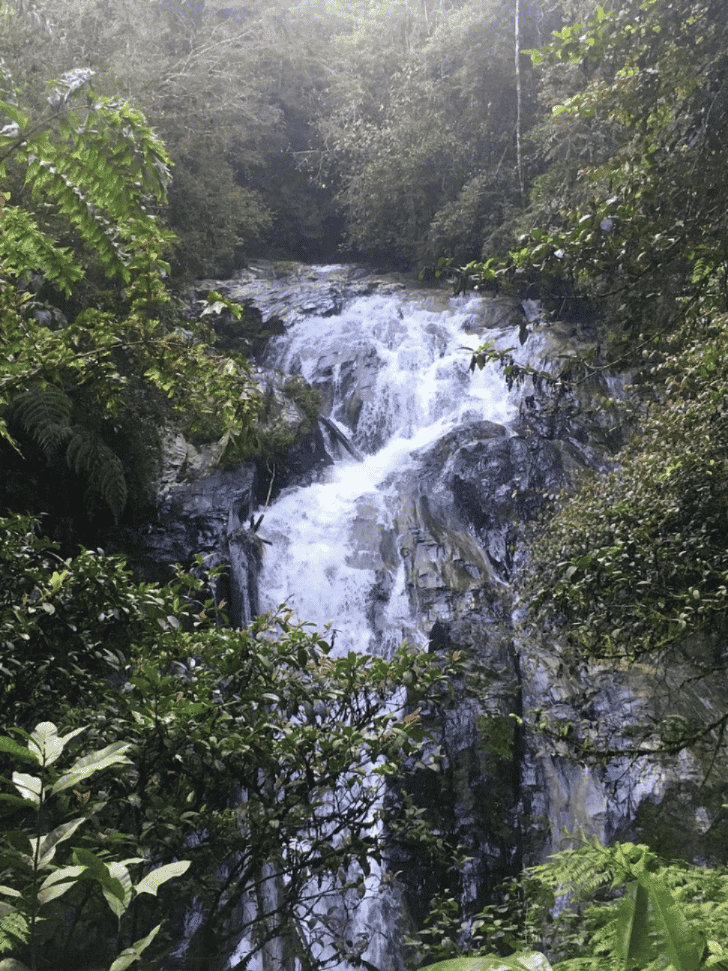
Image Credits: Tripadvisor
A short, leafy jungle walk from Tanah Rata (along Trail 9) leads to this quiet waterfall, a good leg-stretch if you want a taste of the highland rainforest without committing to a long hike. The path can get muddy and slippery after rain, so wear grippy shoes and don’t venture past the falls without a guide.
20. Hiking the Numbered Trails
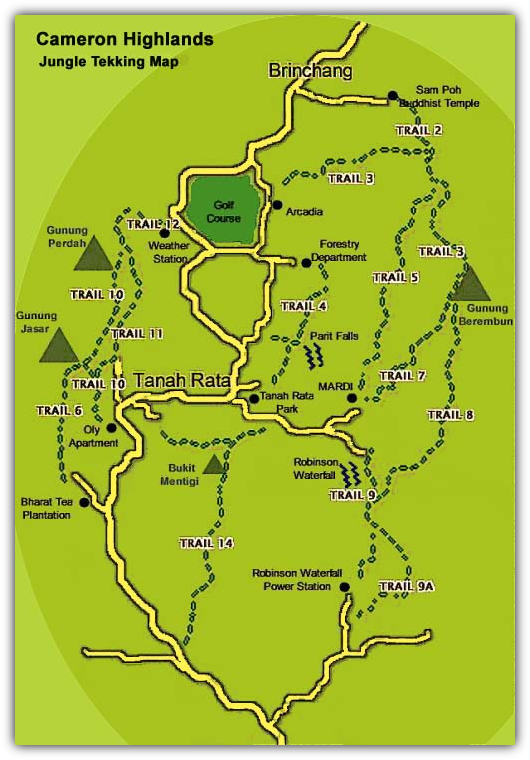
Image Credits: Cameron Highlands
Cameron Highlands has a network of numbered jungle trails, from gentle strolls to proper calf-burners. Trail 10 rewards you with a viewpoint near an electric pylon, while Trail 6 winds through tea plantation scenery.
Some are poorly marked and can get muddy and slippery after rain, so wear proper shoes, start early, and don’t hike alone if you’re inexperienced.
Related Guide: Go-Kart JB: 12 Best Tracks To Race, With Prices & Age Limits
Where to Eat in Cameron Highlands
Highland food is all about the cold-weather comfort: steamboat, hot milk tea, and warm scones straight out of the oven. Here’s what to seek out.
Steamboat (the local must-do)
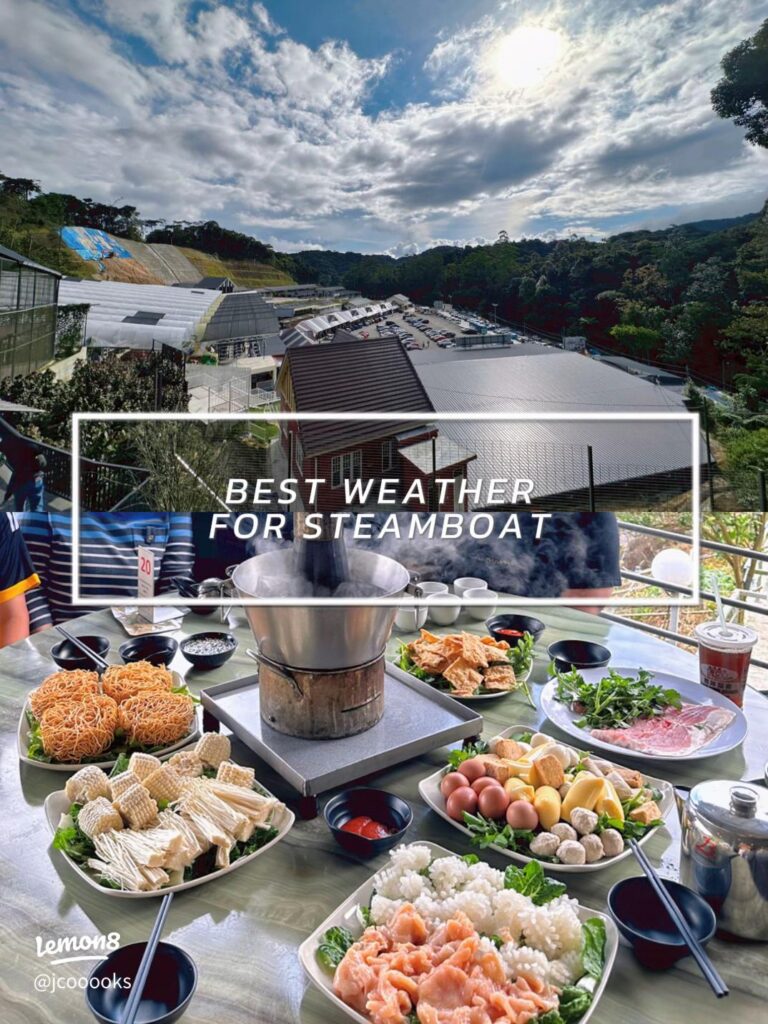
Image Credits: @jcooooks on Lemon8
Eating steamboat (hotpot) in the cool air is practically mandatory up here. Most places do a herbal or tom yum broth with fresh highland vegetables, meat and seafood cooked at your table, with prices running roughly 40–60 MYR (~S$12–18) per person.
Restoran Taman Apple in Tanah Rata is a popular halal steamboat-and-grill option at around 39 MYR (~S$12) per adult, with cheaper kids’ pricing.
Strawberry scones with clotted cream
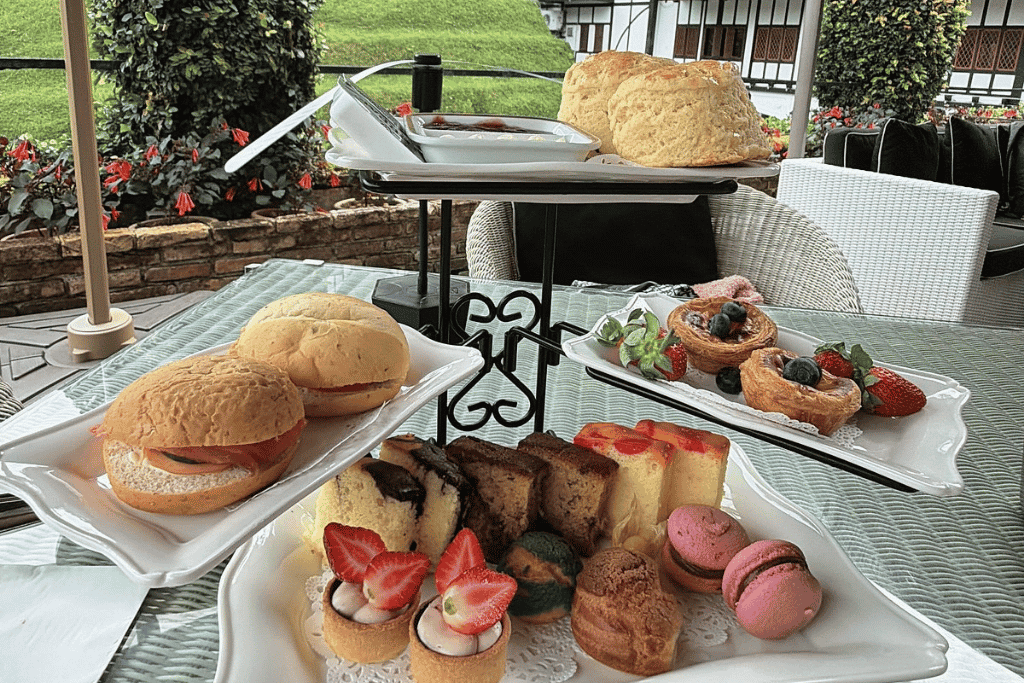
Image Credits: Tripadvisor
The most highland thing you can order. Thanks to the colonial tea-estate history, scones with strawberry jam and clotted cream are everywhere, best enjoyed warm with a pot of local tea at a plantation café like BOH or Bharat. Cheap, cosy, and exactly what the weather calls for.
Thai food in Tanah Rata

Image Credits: @carimakan126 on Lemon8
There’s a surprisingly good Thai streak in town, a nod to the highlands’ proximity to the Thai border. A few well-rated Thai spots do proper pad thai and tom yum noodle soup at local prices, a nice change of pace from tea and scones. The Tanah Rata main strip is also where you’ll find the night-market stalls, Indian eateries and casual cafés.
Related Guide: JB Petrol Price: What Singapore Cars Pay for RON97
Where to Stay in Cameron Highlands
Where you base yourself shapes your trip. Tanah Rata is the main hub with the bus depot, the most restaurants and the trailheads, so it’s the easiest first-timer choice. Brinchang is closer to the night market and several attractions, while Kea Farm puts you near the markets and BOH. Ringlet is mostly agricultural and worth skipping for tourists.
Glamping: Zen by Stellar and Stellar Golden Hill
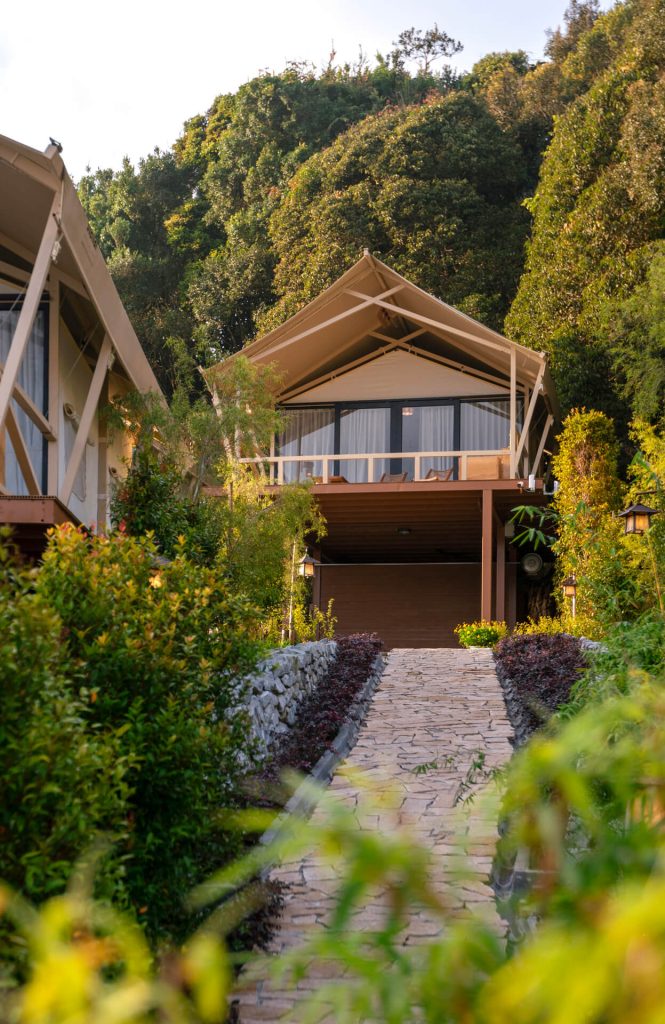
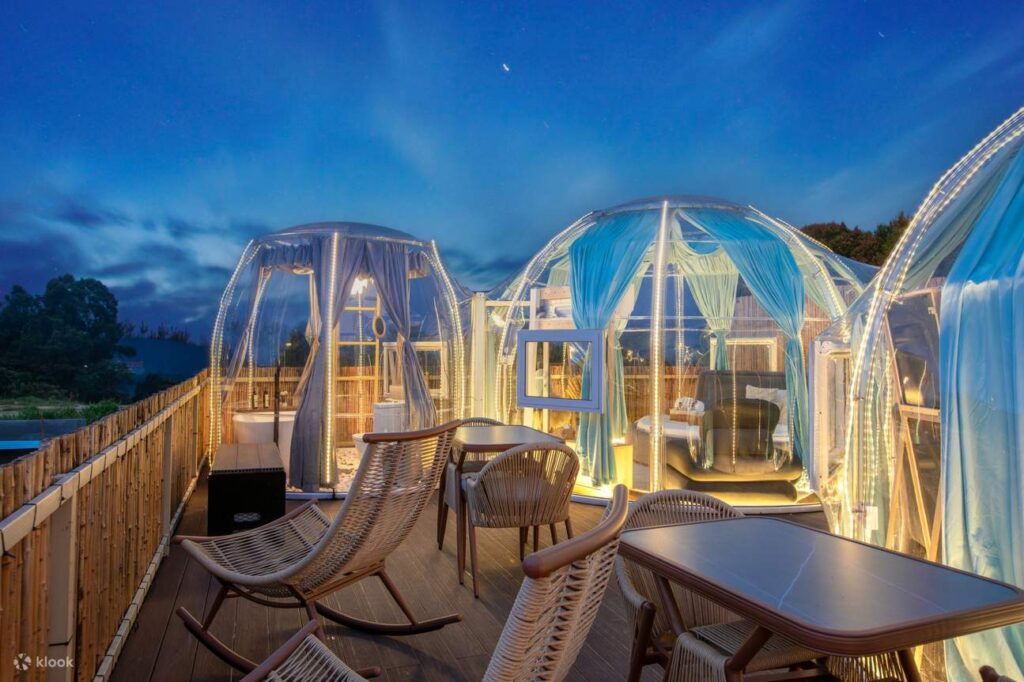
Image Credits: zenbystellar.com; Klook
For something memorable, the glamping scene up here has taken off. Zen by Stellar does Japanese-inspired villas and cottages with outdoor tubs, while Stellar Golden Hill is a glampsite known for its generous breakfast buffet. Both lean photogenic and book out fast on weekends.
Heritage and luxury: The Lakehouse and Cameron Highlands Resort
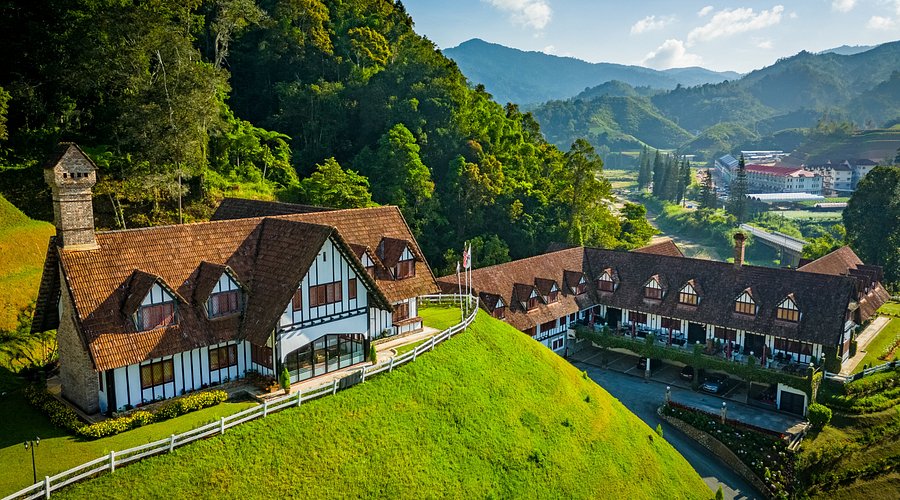
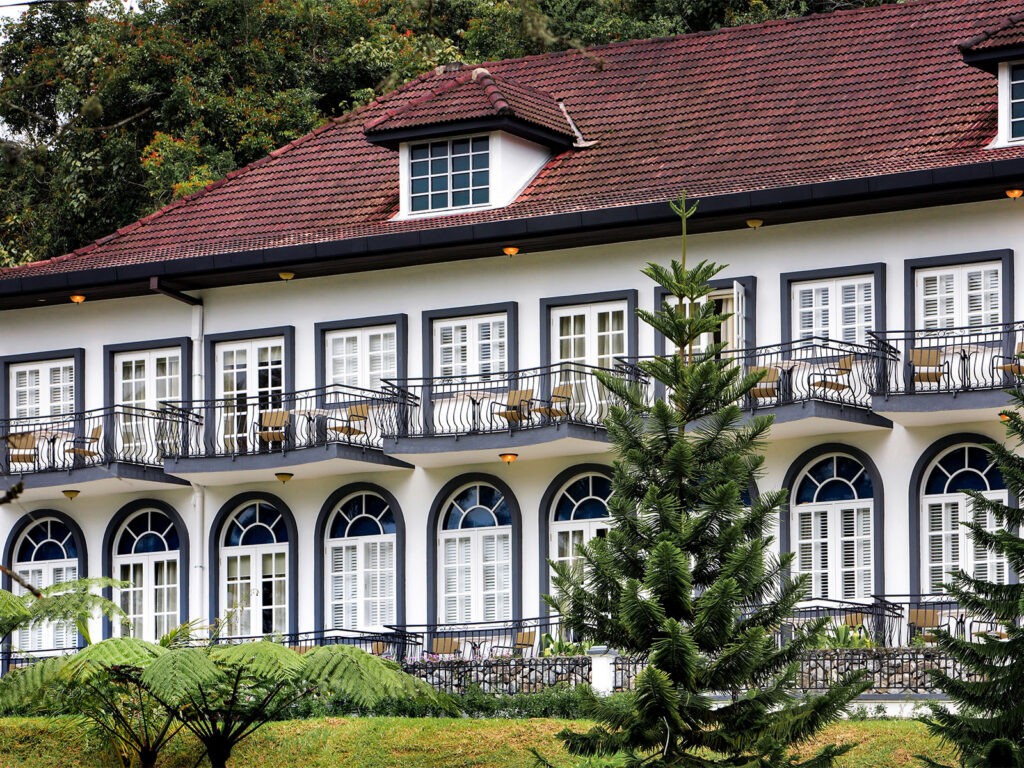
Image Credits: Tripadvisor; www.cameronhighlandsresort.com
For old-world charm, The Lakehouse is a Tudor-style country house dating to 1970, filled with antiques and a proper afternoon-tea ritual. The Cameron Highlands Resort is the polished five-star option, all colonial elegance and spa treatments. Either delivers the hill-station fantasy in full.
Budget: Zenith Suites and Seven Days Hotel
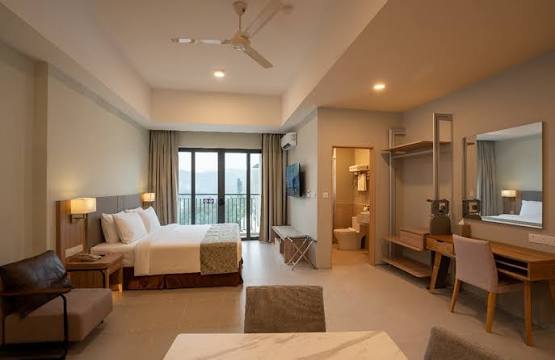
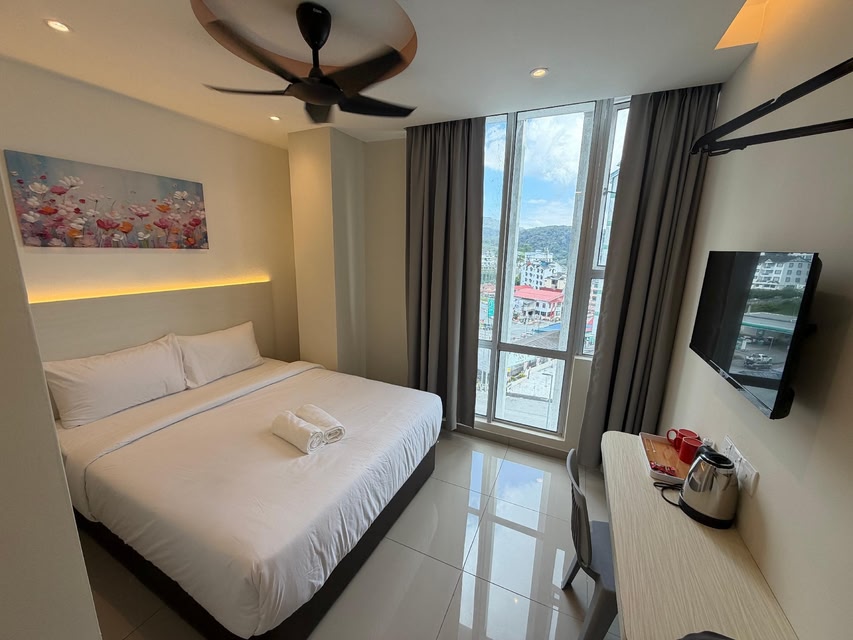
Image Credits: Zenith Hotel; Sky Scanner
If you’re keeping it lean, newer budget stays like Zenith Suites in Tanah Rata and the walkable Seven Days Hotel near the centrum give you a clean, central base without the resort price tag. Great if you’re out exploring all day and only need somewhere warm to sleep.
Pod glamping: Campod Resort
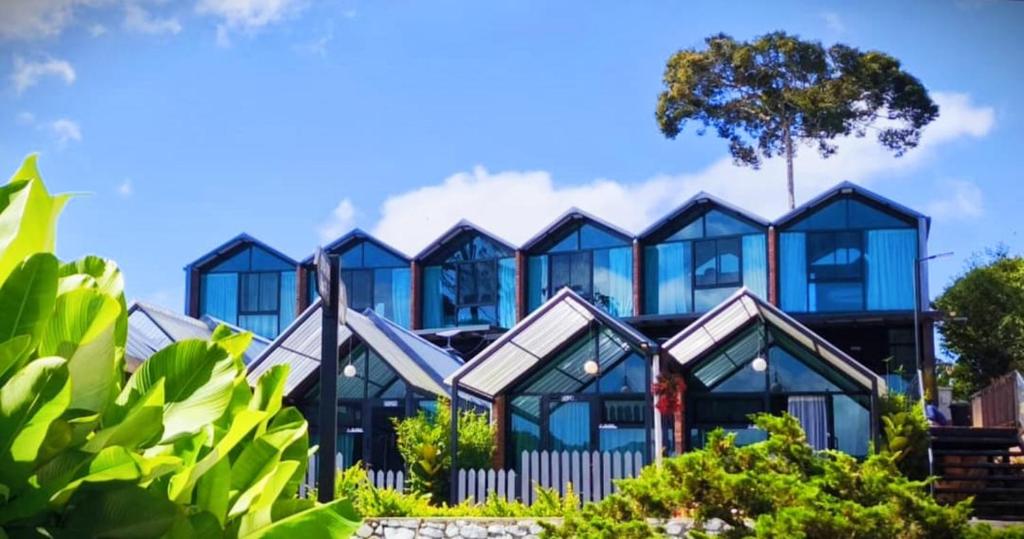
Image Credits: Booking.com
For a budget-friendly novelty, Campod Resort in Brinchang does compact pod-style cabins, a halfway house between camping and a hotel room. It’s cosy and clean with an on-site restaurant, and handy for the Mossy Forest and Big Red Strawberry Farm, though the family pods share facilities and the walls are thin.
Related Guide: Paying for your stay and everything else? Our guide to using YouTrip in Malaysia covers tapping, ATMs and ringgit in one place.
Sample 3D2N Cameron Highlands Itinerary
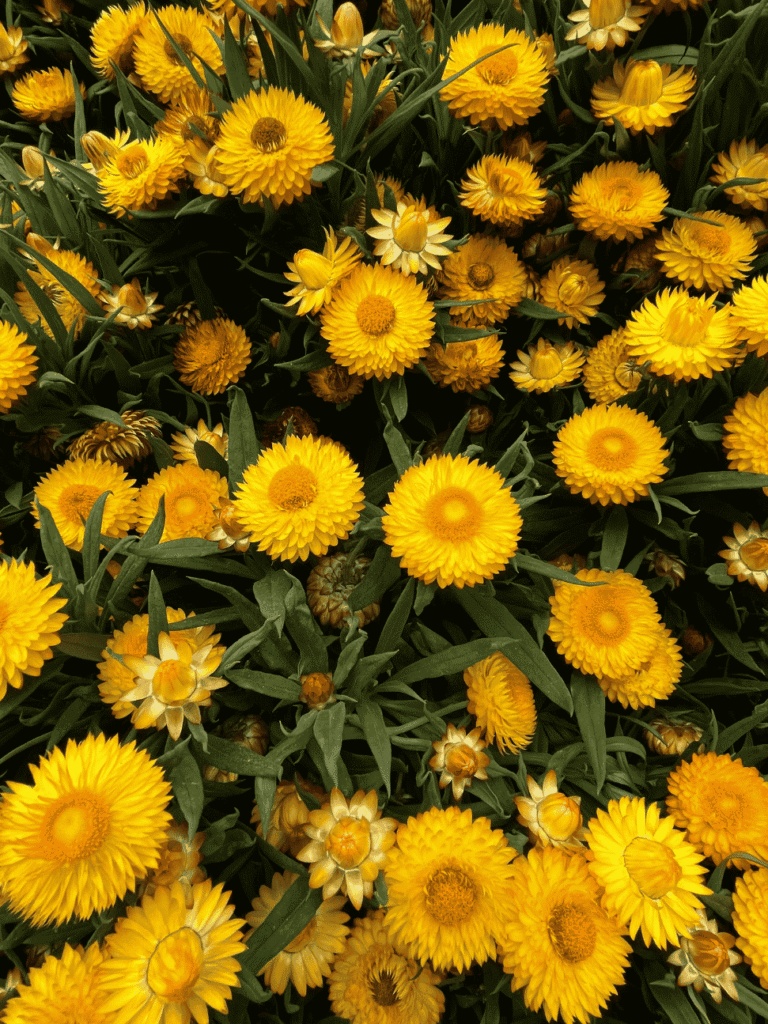
Three days, two nights is the sweet spot. Here’s a relaxed plan that covers the highlights without rushing the winding roads.
- Day 1: Arrive via KL or Ipoh in the afternoon, check in around Tanah Rata, and ease in with a walk through town and a steamboat dinner to warm up.
- Day 2: Start early with BOH Sungai Palas for the tea view and breakfast scones, then head up to the Mossy Forest by jeep before the afternoon mist thickens. Spend the afternoon at Kea Farm market, the sheep sanctuary and a strawberry farm, then catch the Brinchang night market if it’s running (usually weekends).
- Day 3: Save the new spots for last, Flora Park, Tokyo Town or Hobbitoon Village, then start the drive back down by early afternoon to beat the traffic and the rain. Stop at Lata Iskandar waterfall if you’re on the Tapah road.
Related Guide: Planning another short cross-border escape next? Our 27 things to do on a JB weekend getaway covers the closest Malaysia break of all.
Paying in Malaysia: Cards, Cash and MYR
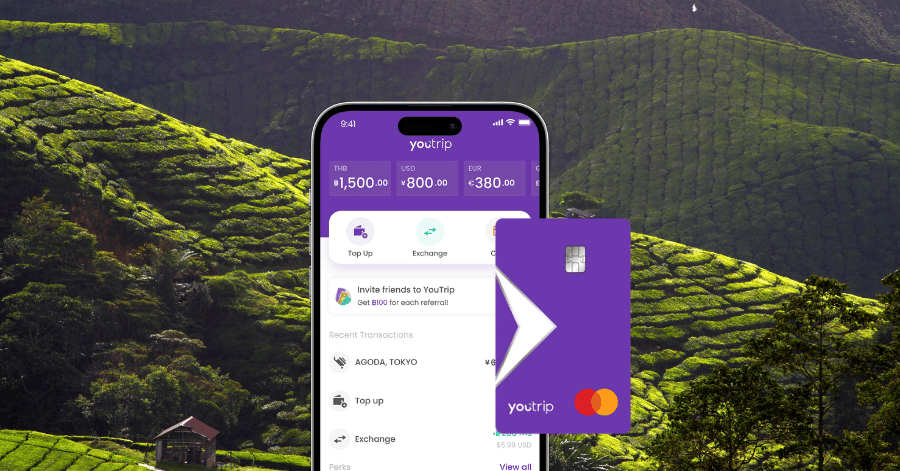
Cameron Highlands is more cash-friendly than a big city, so you’ll want a mix: a contactless card for hotels, cafés, restaurants and attraction tickets, plus some cash for the markets, farm stalls, jeep rides and small entry fees.
This is where your card choice quietly decides how much the trip costs. Tap your YouTrip card to pay in MYR at the wholesale rate with 0% foreign transaction fee. MYR is one of YouTrip’s holdable wallet currencies too, so you can top up and lock in your MYR rate before you go!
For the cash you’ll need at the markets and farms, withdraw cash from a Malaysian ATM once you’re there (there are banks and ATMs in Tanah Rata). With YouTrip, your first S$400 of overseas ATM withdrawals each calendar month is free, then it’s a flat 2% after that (some ATM operators add their own on-screen fee, so check before you confirm).
Related Guide: Topping up for tolls and small spends on the drive? Our Touch ‘n Go eWallet guide covers the local e-wallet.
FAQ
Cameron Highlands is a district in the state of Pahang, Malaysia, in the Titiwangsa mountain range. It sits about 200km north of Kuala Lumpur and borders Perak to the west, with the main towns being Tanah Rata, Brinchang and Ringlet.
It’s roughly 560km by road, or about 7–8 hours of driving not counting the Causeway crossing. Most travellers break the trip in KL or Ipoh, or fly to KL first and finish the last 3.5–4 hours by bus or car.
Two days and one night covers the essentials, but three days and two nights is more comfortable given the long journey and how spread out the attractions are. That gives you time for the tea estates, the Mossy Forest, the farms and the newer spots without rushing.
The mountain roads are narrow and winding with lots of hairpin bends, so they can be rough if you’re prone to carsickness. The Simpang Pulai route (via Ipoh) is the newer, gentler road and the better choice if anyone in the car is sensitive. Sit in front, take medication beforehand, and go slow.
Bring both. Hotels, cafés, restaurants and bigger attractions take contactless cards, but the markets, farm stalls, jeep rides up to the Mossy Forest and small entry fees often want ringgit. Tap your card where you can and withdraw a little cash from a local ATM for the rest.
For more, see our Malaysia ATM withdrawal guide and the SGD to MYR rate guide.
Pack a Jacket! This is The Part of Malaysia That Gets Cold
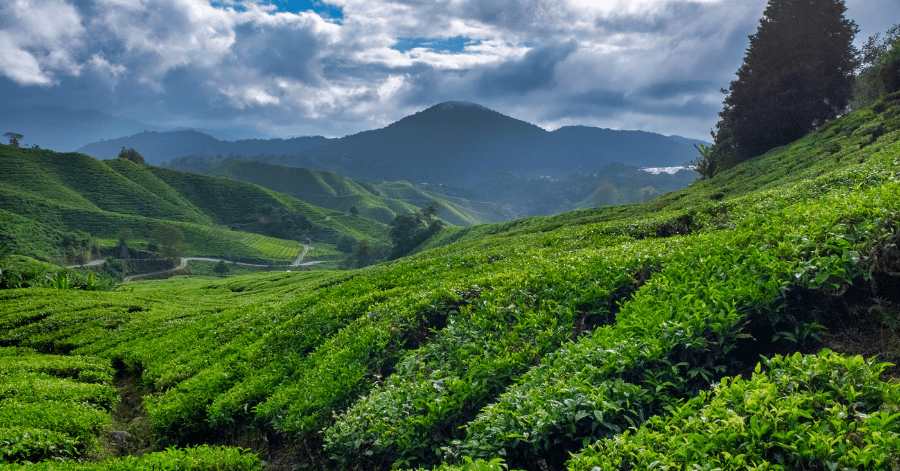
Cameron Highlands is tea, strawberries, mist and cool air, a slow, scenic break that feels a world away from the heat without leaving Southeast Asia. Give it three days so the winding roads don’t rush you, go in the drier months, and pay smart so the ringgit stretches further.
Not a YouTrooper yet? Sign up with YouTrip and use code YTBLOG5 for S$5 to start. Lock in multiple currencies, spend in 150+ countries with no foreign transaction fees, and join the community on Telegram and the YouTrip Community Group.
Related Guides:
Bus from Singapore to JB: Every Route, Fare & Tip
RTS Link Singapore–JB Fares, Stations & Opening
JB Food Guide: 29 Best Places to Eat in JB


The post Cameron Highlands Guide 2026: Things to Do & Getting There appeared first on YouTrip Singapore.


Ayrıca Şunları da Beğenebilirsiniz
![[DECODED] Why AI is no match for human creativity](https://www.rappler.com/tachyon/2026/06/gmc8kkwbiqq.jpg)
[DECODED] Why AI is no match for human creativity

Eurozone Inflation Climbs to 3.2% in May Amid Iran Conflict and Energy Crisis

NetJets Business Jet Crashes On Texas Highway


Popüler Haberler
Daha fazla
