Bitcoin Holds $67K Support as Sentiment Diverges From Price

Bitcoin (BTC) has steadied around the $67,000 level, underscoring a curious balance between durable institutional bids and an enduring wave of bearish sentiment among retail traders. After a period of macro headwinds and geopolitical flashpoints, BTC is trading in a narrow corridor that keeps traders watchful for a decisive breakout or a renewed pullback.
The market narrative remains split. On one hand, price action shows resilience, avoiding a drop below $60,000 and absorbing shock from a volatile macro backdrop, including ongoing tensions in the Middle East and related risk signals. On the other hand, sentiment metrics stay deeply negative, with the Fear and Greed Index stuck in extreme fear territory for more than a month—the longest stretch in its history—raising questions about the durability of any upside from price alone.
Key takeaways
- BTC remains anchored above $60,000, with a near-term challenge at $67,000. A daily close above that level could signal a fresh uptrend path, while continued consolidation keeps risk-reward balanced.
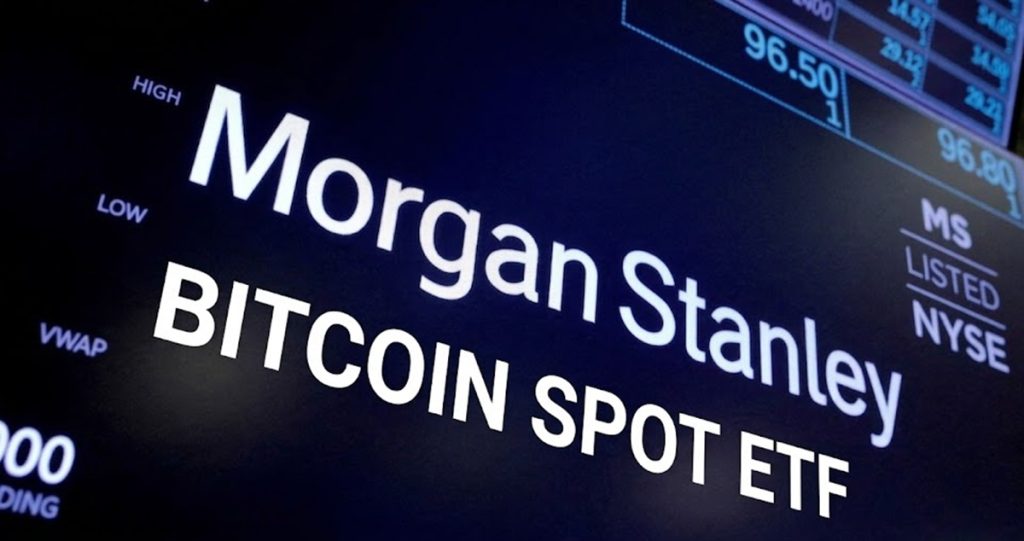
- Institutional demand in March supported BTC’s resilience: spot BTC ETFs absorbed roughly 50,000 BTC, and corporate purchases added about 44,000 BTC. The NYSE’s approval of a spot ETF for Morgan Stanley broadened access to the product via around 16,000 advisors, contributing to a net inflow of about $1.32 billion after a period of net outflows.
- On-chain activity shows rising accumulator demand. CryptoQuant data indicate long-term wallets increased their BTC holdings to 289,971 BTC on April 7, up 83% from two weeks earlier, a sign of sustained demand from long-hold investors.
- ETF flows and leverage dynamics complicate the picture. Late-March ETF outflows totaled about $414 million, while leverage-driven rallies—such as the move toward $70,000 earlier in the week—carry a historically higher retracement risk, a pattern some analysts expect to repeat in 2026.
Divergence between price action and sentiment
Market maker Wintermute highlighted a disconnect between BTC’s price stability and investor sentiment. While price has remained stubbornly resilient, the market’s mood has lingered in extreme fear, with the Fear and Greed Index remaining historically low for an extended period. That tension underscores a cautious stance among participants who remain wary of further macro shocks but are nonetheless being drawn into the market by sustained buying pressure from institutions.
The narrative is complicated by a string of outsized events that could have derailed the rally. BTC absorbed a $403 million liquidation event and faced persistent negative on-chain demand amid ongoing geopolitical tensions. Yet the asset has not only held its ground but also kept annual downside risks in check, suggesting a core bid underpinning from long-term holders and institutions alike.
According to Wintermute, the March period saw a clear tilt toward demand from more traditional buyers, which could foreshadow a more persistent bid if price can carve out a higher base above $67,000. The market’s ability to maintain above $60,000 amid these pressures reinforces a narrative that BTC’s value proposition remains intact for a segment of investors willing to allocate capital in a risk-managed way.
Institutional demand and the ETF signal in March
Institutional participation has become a recurring driver of Bitcoin’s price dynamics. In March, spot BTC ETFs reportedly absorbed around 50,000 BTC, while corporate buyers added roughly 44,000 BTC. The news that Morgan Stanley secured NYSE approval for a Bitcoin spot ETF expanded access to the vehicle through about 16,000 financial advisors, which appears to have helped reverse a prior streak of net outflows and push total net inflows to approximately $1.32 billion for the period.
These flows matter because they reflect a shift in how institutional money is entering the Bitcoin market. While retail sentiment remains fragile, the continued funneling of capital through regulated channels and the expansion of advisory access for spot BTC exposure provide a durable counterweight to downside risks. The data suggest that institutions are increasingly treating BTC as a strategic core holding rather than a high-risk, high-volatility trade.
On-chain dynamics: accumulation as a signal
On-chain analysis adds nuance to the evolving demand picture. CryptoQuant data show long-term accumulator addresses increasing their holdings—reaching 289,971 BTC on April 7, up from 158,336 BTC two weeks earlier. That 83% jump over a short window signals a meaningful shift in the holder base, with more coins effectively locked away from short-term trading and deployed by patient buyers.
Crypto researcher Rei framed this pattern as a potential confirmation signal: if rising accumulation aligns with price durability at higher levels, it strengthens the case for a sustainable uptrend. The 30-day average trend in accumulation is often cited as a practical confirmation metric for traders seeking longer-term validation beyond immediate price swings.
Market mechanics: ETF flows, leverage risk, and next steps
Even as March showed a surge in institutional demand, late-month ETF dynamics shifted toward net outflows. About $414 million left the space in the final week, while OTC positioning moved toward neutrality and early buying gave way to selling in some segments. The shift underscores the fragility of momentum in a market that can be driven by both regulatory developments and hedge fund risk management.
Analysts have also flagged the role of leverage in recent price moves. A notable rally toward $70,000 earlier in the week was characterized by leverage-driven buying, according to market observers. If this dynamic repeats, it could produce sharp short-term moves that are followed by pullbacks, a pattern that could reassert caution for traders relying on rapid, momentum-based strategies.
On the technical front, BTC has closed below $67,000 on about 26% of trading days since February 5—the first time the price failed to hold that level since October 2024. While this does not declare a trend, it suggests that the market remains in a state of watchful anticipation, waiting for a clear macro-driven catalyst or a sustained shift in on-chain behavior to unlock a firmer directional move.
Together, these threads point to a market in flux: price stability supported by institutional capital and long-term holders, tempered by persistent negative sentiment and a delicate balance between leveraged momentum and on-chain accumulation. The coming weeks will be telling as investors look for a lasting breakout above resistance, or a capitulatory move that could reset sentiment and positioning.
As BTC approaches a potential inflection point, traders and longer-term observers should monitor the alignment between on-chain accumulation, ETF inflows, and price action. A convincing break above $67,000—if confirmed by sustained closes and expanding demand—could recalibrate expectations for the rest of the quarter. If sentiment remains the stronger brake, traders may need to brace for further sideways trading and selective volatility until new catalysts emerge.
This article was originally published as Bitcoin Holds $67K Support as Sentiment Diverges From Price on Crypto Breaking News – your trusted source for crypto news, Bitcoin news, and blockchain updates.


Ayrıca Şunları da Beğenebilirsiniz

FLock.io and BitValue Capital Launch $200M Africa Fund II to Pioneer Decentralized AI Infrastructure
FDIC, OCC, and NCUA Propose New AML/CFT Rule Updates for Banks and Credit Unions