

Shiba Inu Team Issues Urgent Scam Alert Following ‘SOU’ Recovery System Launch
The Shiba Inu development team has issued a scam alert regarding a wave of fraudulent activities targeting the newly launched SOU recovery system. Susbarium, the ecosystem’s dedicated safety channel, alerted the community this week that malicious actors are deploying phishing campaigns designed to drain wallets under the guise of compensation for last year’s Shibarium bridge exploit.
DISCOVER: Best Solana Meme Coins By Market Cap 2026
The SOU Initiative: Aftermath of The Shibarium Bridge Scam
The ‘Shib Owes You’ (SOU) initiative represents a good faith effort by the developers to restitute users affected by the Shibarium bridge exploit that occurred in September 2025. Following the launch of the recovery system, eligible users can claim verified NFTs representing their owed funds. These digital assets are designated to be tradable or redeemable as funds are recovered.
However, the rollout has attracted opportunistic scammers. While the SOU system aims to restore confidence, much like how positive market indicators can drive interest as seen in recent SHIB price analysis, it creates a vector for social engineering attacks where victims are eager to recoup losses.
Mechanics of the Shiba Inu Scam
How does the scam work? Bad actors are circulating fake SOU tokens and phishing links that mimic the official repayment portal. The team emphasized that legitimate SOU NFTs are never airdropped directly to user wallets; they must be minted exclusively through the official website. Security researchers have noted tactics resembling address poisoning, where scammers send zero-value tokens to users to clutter transaction histories with malicious contract addresses, hoping users blindly copy them for future interactions.
If a user interacts with these fake assets or connects their wallet to a fraudulent site, they risk falling victim to wallet drainers. This threat vector remains a persistent issue in the industry, similar to the sophisticated attacks that recently prompted the Ethereum Foundation to partner with security firms to combat malicious scripts.
While regulators and law enforcement are increasingly cracking down on illicit actors, evidenced by the 30-year jail term for the Incognito Market founder and the recent sentencing of the SafeMoon CEO, the immediate defense against a SHIB scam lies in avoiding unsolicited links and verifying smart contract addresses.
EXPLORE: What is the Next Crypto to Explode in 2026?
From SHIB Security to MAXI Speculation: Two Very Different Meme Coin Paths
While Shiba Inu is currently focused on security, restitution, and protecting users through its SOU recovery initiative, Maxi Doge (MAXI) represents a different phase of the meme coin lifecycle: early-stage capital formation and narrative building. SHIB’s recent phishing warnings highlight the operational complexity that comes with scale. Large ecosystems must defend infrastructure, manage exploits, and maintain user trust.
MAXI, by contrast, is still in presale. It has raised around $4.6 million so far, with tokens priced at $0.0002804 across a structured 50-stage pricing model. The staged increase rewards earlier buyers, but also reflects that valuation is still speculative and market-driven. Token allocations dedicate 40% to marketing, 25% to a “Maxi Fund” for exposure and liquidity initiatives, 15% each to development and liquidity, and 5% to staking incentives.
Community engagement plans include tournaments and gamified competitions designed to sustain post-listing activity.
The contrast is clear: SHIB demonstrates what happens after a meme coin matures into a multi-billion-dollar ecosystem with real attack surfaces. MAXI shows what earlier-stage meme projects look like before exchange listings, where risk is higher but expectations are centred on growth rather than defense.
Visit Maxi Doge Here
DISCOVER: 10 New Upcoming Binance Listings to Watch in February 2026
nextThe post Shiba Inu Team Issues Urgent Scam Alert Following ‘SOU’ Recovery System Launch appeared first on Coinspeaker.
You May Also Like

OpenClaw Creator Bans Bitcoin, Crypto Chatter After Joining OpenAI
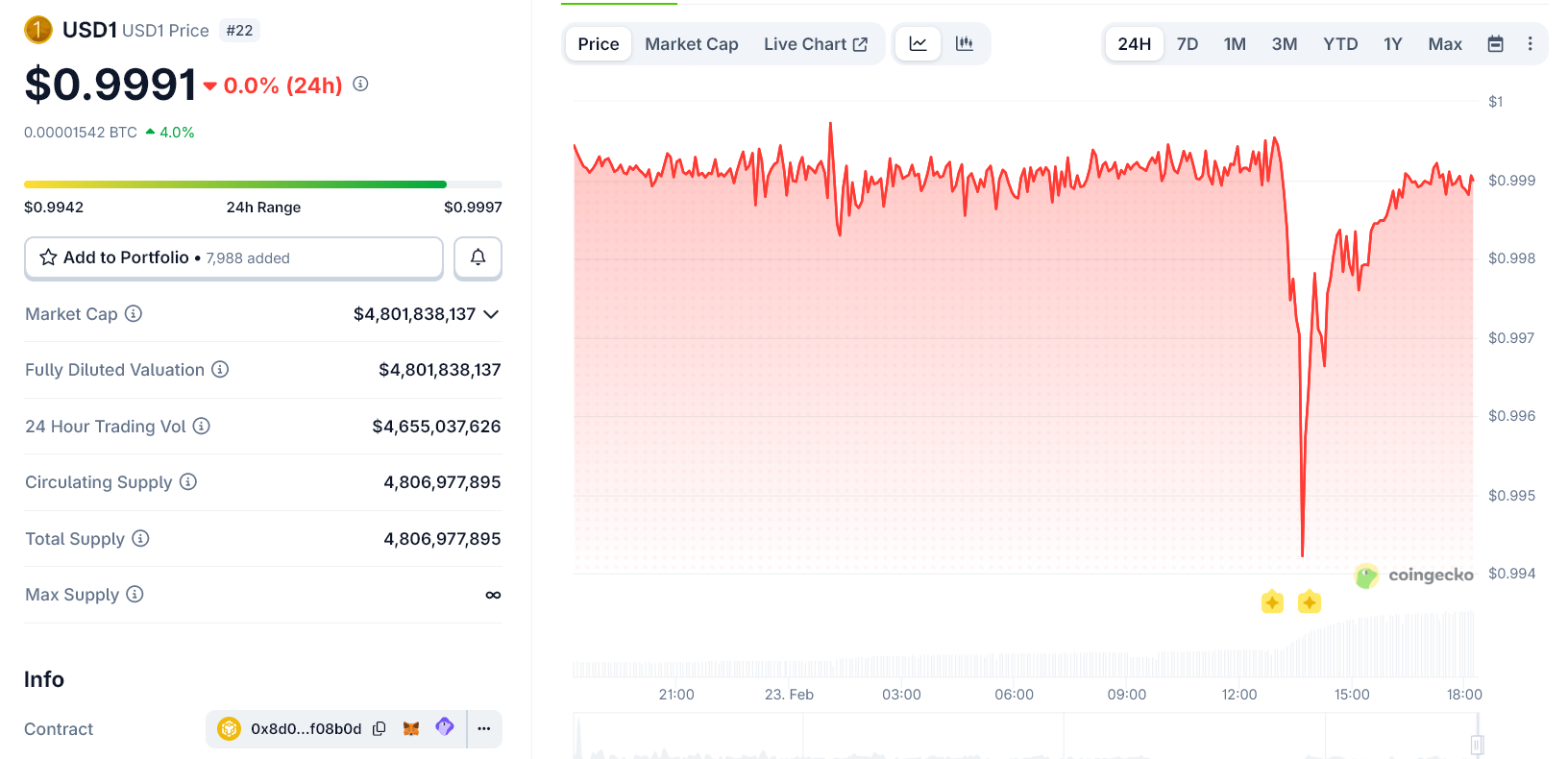
Trump Family-Linked Stablecoin Briefly Depegs, WLFI Blames ‘Coordinated Attack’
