Ethereum, the second-largest blockchain by market capitalization, has become the backbone of decentralized finance (DeFi), non-fungible tokens (NFTs), and countlessEthereum, the second-largest blockchain by market capitalization, has become the backbone of decentralized finance (DeFi), non-fungible tokens (NFTs), and countless

Layer 2 Solutions: Can They Solve Ethereum’s Scalability Crisis?

2026/02/20 05:42
5 min read

Ethereum, the second-largest blockchain by market capitalization, has become the backbone of decentralized finance (DeFi), non-fungible tokens (NFTs), and countless smart contract applications. However, its rapid growth has exposed a critical limitation: scalability. As network usage surges, Ethereum faces high transaction fees, slow confirmation times, and congestion, challenging its ability to support mass adoption. Layer 2 (L2) solutions have emerged as a promising answer, designed to increase throughput, reduce costs, and maintain security without compromising Ethereum’s decentralized ethos. But can these solutions fully resolve Ethereum’s scalability crisis?

The Ethereum Scalability Problem
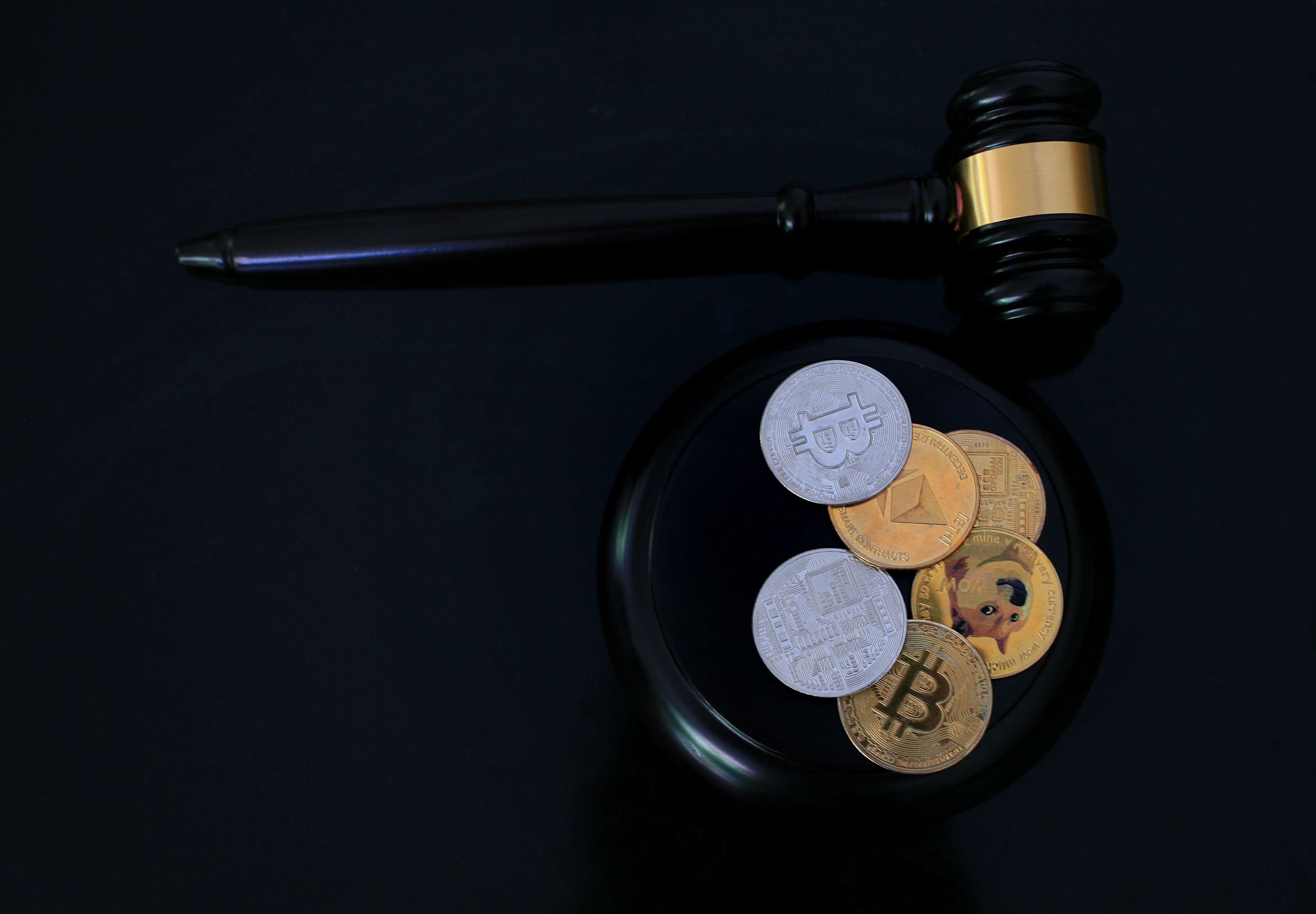
Layer 2 Solutions: Can They Solve Ethereum’s Scalability Crisis?

Ethereum’s scalability issues stem from its consensus mechanism and architecture. Until its transition to proof-of-stake (PoS) with Ethereum 2.0, Ethereum relied on proof-of-work (PoW), which limited transactions per second (TPS) to roughly 15–30. Even post-PoS, the base layer remains constrained in throughput.

High demand during peak network activity causes gas fees to spike, pricing out smaller users and limiting the accessibility of DeFi platforms, NFT marketplaces, and other decentralized applications (dApps). The scalability bottleneck also affects developers, who must optimize smart contracts to minimize costs, slowing innovation. Without a solution, Ethereum risks losing users and developers to faster, cheaper blockchains.

What Are Layer 2 Solutions?

Layer 2 refers to protocols built on top of the Ethereum blockchain to handle transactions off-chain while maintaining security through the main Ethereum chain. These solutions reduce congestion on the Ethereum mainnet by processing transactions externally and then reporting results back to Layer 1.

The main types of Layer 2 solutions include:

State Channels

State channels allow users to transact off-chain multiple times and only settle the final state on-chain. This drastically reduces on-chain transactions, improving speed and cost efficiency. Popular examples include Raiden Network and Connext.

Sidechains

Sidechains are independent blockchains running parallel to Ethereum, often using their own consensus mechanisms. Assets are transferred between Ethereum and the sidechain via bridges. Examples include Polygon (Matic) and xDai. Sidechains offer higher throughput but require trust in the sidechain’s security model.

Rollups

Rollups bundle or “roll up” hundreds of transactions into a single batch, which is then submitted to Ethereum.

Optimistic Rollups assume transactions are valid by default and verify them via fraud proofs if challenged. Examples: Optimism and Arbitrum.

Zero-Knowledge (ZK) Rollups use cryptographic proofs to instantly verify transaction correctness. Examples: zkSync and StarkNet. Rollups combine scalability, security, and cost efficiency, making them central to Ethereum’s scaling roadmap.

How Layer 2 Solutions Address Scalability

Layer 2 solutions directly target Ethereum’s main bottlenecks:

Increased Throughput: L2 can process thousands of transactions per second, compared to Ethereum’s 15–30 TPS on Layer 1.

Lower Fees: By reducing reliance on the main chain, L2 solutions significantly cut gas costs, making small-value transactions feasible.

Faster Confirmation: Off-chain processing allows near-instant transaction finality, enhancing user experience.

Ecosystem Growth: Lower costs and faster speeds encourage developers to build more sophisticated dApps without worrying about gas spikes.

Challenges and Limitations

Despite their promise, Layer 2 solutions face several hurdles:

Security Trade-offs: Sidechains and some L2 protocols rely on additional trust assumptions, which can be exploited if not carefully managed.

User Experience: Moving assets between Layer 1 and Layer 2 often requires bridges or wallets that can be confusing for newcomers.

Fragmentation: Multiple L2 networks may divide liquidity, complicating cross-platform transactions.

Adoption: Developers and users need time to fully integrate Layer 2 solutions into existing dApps and wallets.

The Road Ahead

Ethereum’s roadmap includes combining Layer 2 solutions with Ethereum 2.0 upgrades, such as sharding, to achieve full scalability. Sharding splits the blockchain into smaller partitions, allowing parallel transaction processing, which will synergize with Layer 2 for exponential gains in throughput.

In addition, continuous innovation in rollup technology, cross-chain bridges, and interoperable Layer 2 protocols is likely to make the ecosystem more robust, user-friendly, and secure. Over time, the combination of Layer 2 adoption and base-layer upgrades may enable Ethereum to support global-scale applications while preserving decentralization.

Conclusion

Layer 2 solutions are not a silver bullet but represent the most promising path to solving Ethereum’s scalability crisis. By processing transactions off-chain, reducing fees, and enhancing throughput, L2 protocols provide immediate relief to congestion and lay the foundation for mass adoption. However, challenges such as security trade-offs, fragmented liquidity, and user experience remain. The future of Ethereum depends on a hybrid approach—Layer 2 solutions integrated with base-layer upgrades—to create a scalable, secure, and decentralized network capable of supporting the next generation of decentralized applications.

If you want, I can also create a version highlighting the top Layer 2 projects with TPS, fees, and adoption metrics, making it more practical and data-driven for readers.

Do you want me to do that?

Comments
Market Opportunity
Solayer Logo
Solayer Price(LAYER)
$0.08509
$0.08509$0.08509
+3.42%
USD
Solayer (LAYER) Live Price Chart
Disclaimer: The articles reposted on this site are sourced from public platforms and are provided for informational purposes only. They do not necessarily reflect the views of MEXC. All rights remain with the original authors. If you believe any content infringes on third-party rights, please contact service@support.mexc.com for removal. MEXC makes no guarantees regarding the accuracy, completeness, or timeliness of the content and is not responsible for any actions taken based on the information provided. The content does not constitute financial, legal, or other professional advice, nor should it be considered a recommendation or endorsement by MEXC.

You May Also Like

Japan-Based Bitcoin Treasury Company Metaplanet Completes $1.4 Billion IPO! Will It Buy Bitcoin? Here Are the Details

Japan-Based Bitcoin Treasury Company Metaplanet Completes $1.4 Billion IPO! Will It Buy Bitcoin? Here Are the Details

The post Japan-Based Bitcoin Treasury Company Metaplanet Completes $1.4 Billion IPO! Will It Buy Bitcoin? Here Are the Details appeared on BitcoinEthereumNews.com. Japan-based Bitcoin treasury company Metaplanet announced today that it has successfully completed its public offering process. Metaplanet Grows Bitcoin Treasury with $1.4 Billion IPO The company’s CEO, Simon Gerovich, stated in a post on the X platform that a large number of institutional investors participated in the process. Among the investors, mutual funds, sovereign wealth funds, and hedge funds were notable. According to Gerovich, approximately 100 institutional investors participated in roadshows held prior to the IPO. Ultimately, over 70 investors participated in Metaplanet’s capital raising. Previously disclosed information indicated that the company had raised approximately $1.4 billion through the IPO. This funding will accelerate Metaplanet’s growth plans and, in particular, allow the company to increase its balance sheet Bitcoin holdings. Gerovich emphasized that this step will propel Metaplanet to its next stage of development and strengthen the company’s global Bitcoin strategy. Metaplanet has recently become one of the leading companies in Japan in promoting digital asset adoption. The company has previously stated that it views Bitcoin as a long-term store of value. This large-scale IPO is considered a significant step in not only strengthening Metaplanet’s capital but also consolidating Japan’s role in the global crypto finance market. *This is not investment advice. Follow our Telegram and Twitter account now for exclusive news, analytics and on-chain data! Source: https://en.bitcoinsistemi.com/japan-based-bitcoin-treasury-company-metaplanet-completes-1-4-billion-ipo-will-it-buy-bitcoin-here-are-the-details/
Share
BitcoinEthereumNews2025/09/18 08:42
WhiteBIT Coin (WBT) Daily Market Analysis 20 February 2026

WhiteBIT Coin (WBT) Daily Market Analysis 20 February 2026

WhiteBIT Coin faces major March unlock – here's the latest: • WBT trades at $50.50 (20 February 2026) with a $10.79B market cap and steady weekly gains • Final
Share
Coinstats2026/02/20 10:14
Cloud mining is gaining popularity around the world. LgMining’s efficient cloud mining platform helps you easily deploy digital assets and lead a new wave of crypto wealth.

Cloud mining is gaining popularity around the world. LgMining’s efficient cloud mining platform helps you easily deploy digital assets and lead a new wave of crypto wealth.

The post Cloud mining is gaining popularity around the world. LgMining’s efficient cloud mining platform helps you easily deploy digital assets and lead a new wave of crypto wealth. appeared on BitcoinEthereumNews.com. SPONSORED POST* As the cryptocurrency market continues its recovery, Ethereum has once again become the center of attention for investors. Recently, the well-known crypto mining platform LgMining predicted that Ethereum may surpass its previous all-time high and surge past $5,000. In light of this rare market opportunity, choosing a high-efficiency, secure, and low-cost mining platform has become the top priority for many investors. With its cutting-edge hardware, intelligent technology, and low-cost renewable energy advantages, LgMining Cloud Mining is rapidly emerging as a leader in the cloud mining industry. Ethereum: The Driving Force of the Crypto Market Ethereum is not only the second-largest cryptocurrency by market capitalization but also the backbone of the blockchain smart contract ecosystem. From DeFi (Decentralized Finance) to NFTs (Non-Fungible Tokens) and the broader Web3.0 infrastructure, most innovations are built on Ethereum. This widespread utility gives Ethereum tremendous growth potential. With the upcoming scalability upgrades, the Ethereum network is expected to offer improved performance and transaction speed—likely triggering a fresh wave of market enthusiasm. According to the LgMining research team, Ethereum’s share among institutional and retail investors continues to grow. Combined with shifting monetary policies and global economic uncertainties, Ethereum is expected to break past its previous high of over $4,000 and aim for $5,000 or more in the coming months. LgMining Cloud Mining: Unlocking a Low-Barrier Path to Wealth Traditional crypto mining often requires expensive mining rigs, stable electricity, and complex maintenance—making it inaccessible for the average person. LgMining Cloud Mining breaks down these barriers, allowing anyone to easily participate in mining Ethereum and Bitcoin without owning hardware. LgMining builds its robust and efficient mining infrastructure around three core advantages: 1. High-End Equipment LgMining uses top-tier mining hardware with exceptional computing power and reliability. The platform’s ASIC and GPU miners are carefully selected and tested to…
Share
BitcoinEthereumNews2025/09/18 03:04