

ETH Negative Funding Rates May Not Signal a Buy This Time
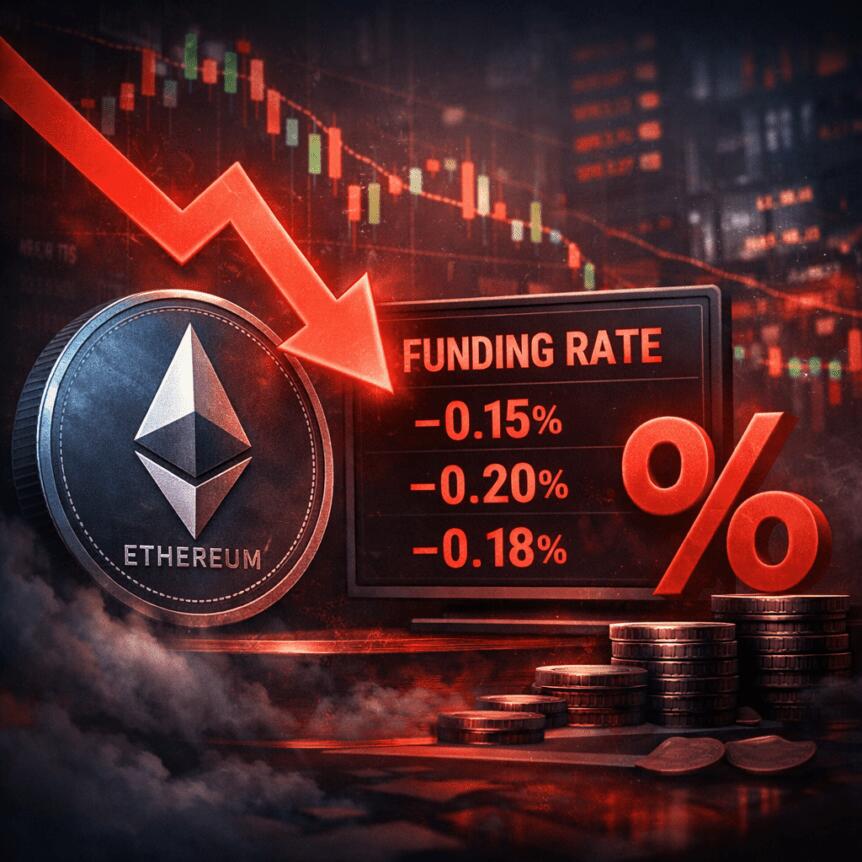
Ether (CRYPTO: ETH) weakened to around $2,110 on Tuesday, completing a brutal 28% retreat over the prior week as investors pulled back from riskier assets. The move coincided with a broader risk-off tone across markets, with the tech-heavy Nasdaq slipping about 1.4% as traders reassessed AI-led growth bets. The price action underscores fragility in the crypto complex when macro cues tilt toward caution, and it arrives amid questions about whether valuations have become overstretched and overly tethered to the AI narrative. The latest leg lower comes as traders weigh the durability of demand for ether and the resilience of decentralized finance amid shifting liquidity conditions.
Key takeaways
- Ether (CRYPTO: ETH) dropped 28% in seven days to roughly $2,110 as risk-off sentiment surged and leveraged positions were unwound.
- Ethereum spot ETFs saw net outflows of $447 million over five days, while Ethereum network activity fell by 47% from prior levels.
- The ETH perpetual futures funding rate turned negative, signaling that shorts were paying to sustain positions and underscoring thinning appetite among longs.
- Bitcoin (CRYPTO: BTC) led a broader crypto pullback, with major tokens like BTC down about 17% over the last month and BNB, TRX also slipping in the session.
- On-chain metrics and on-chain activity waned as decentralized-exchange volumes dwindled, highlighting fading demand for ETH-based processing and dApp usage.
Ether price activity has been under pressure as traders reassess risk parity and seek safer havens. The Ethereum ecosystem, long seen as a liquidity engine for DeFi and smart contracts, faced a sharp drop in on-chain activity, with January decentralized-exchange volumes totaling $52.8 billion, down from $98.9 billion in October 2025—a near 47% decline that reduces fee income and incentive mechanisms that normally burn ETH and reduce supply during heavy usage. The waning activity coincides with a broader retrenchment in risk appetite across crypto markets, where the performance gap between ether and the wider market has widened in the past 30 days.
Total crypto capitalization (blue) vs. ETH/USD (orange). Source: TradingviewMarket participants also took note of performance differentials within the broader crypto space. Bitcoin (CRYPTO: BTC) slipped about 17% over the last month, while other large-cap coins such as BNB and Tron (TRX) faced declines of 14% and 4%, respectively. The divergence in performance underscores a cautious mood for crypto assets that had previously benefited from renewed attention to blockchain infrastructure and institutional demand. The upshot: ether’s week-long slide intensified fears of a broader risk-off regime, with liquidations of long ether positions contributing to downward price pressure.
Why it matters
The thread tying these moves together is liquidity and risk sentiment. A material outflow from spot ETFs signals a cooling of institutional demand and a preference for safer, short-duration assets in an environment of macro uncertainty. The $447 million outflow figure over five days suggests that a segment of investors is reassessing exposure to ether as a core portfolio holding, even as some custodians and family offices continue to participate in selective allocations to crypto assets. This stance aligns with a broader trend of risk-off behavior that has persisted in both traditional markets and digital asset ecosystems amid mixed signals on growth and inflation dynamics.
On-chain metrics reinforce the narrative of cooling activity. The decline in DEX volumes and network activity reduces the economic incentives for token holders to deploy capital on Ethereum’s layer-1 ecosystem, even as the network’s throughput remains central to DeFi and NFT ecosystems. At the same time, negative funding rates in ETH perpetual futures indicate a capitulation by long traders and may reflect a market in search of a clearer catalyst for a rebound rather than a quick reversal. In this environment, tempered price action and cautious positioning appear likely to persist in the near term until more compelling fundamentals reassert themselves.
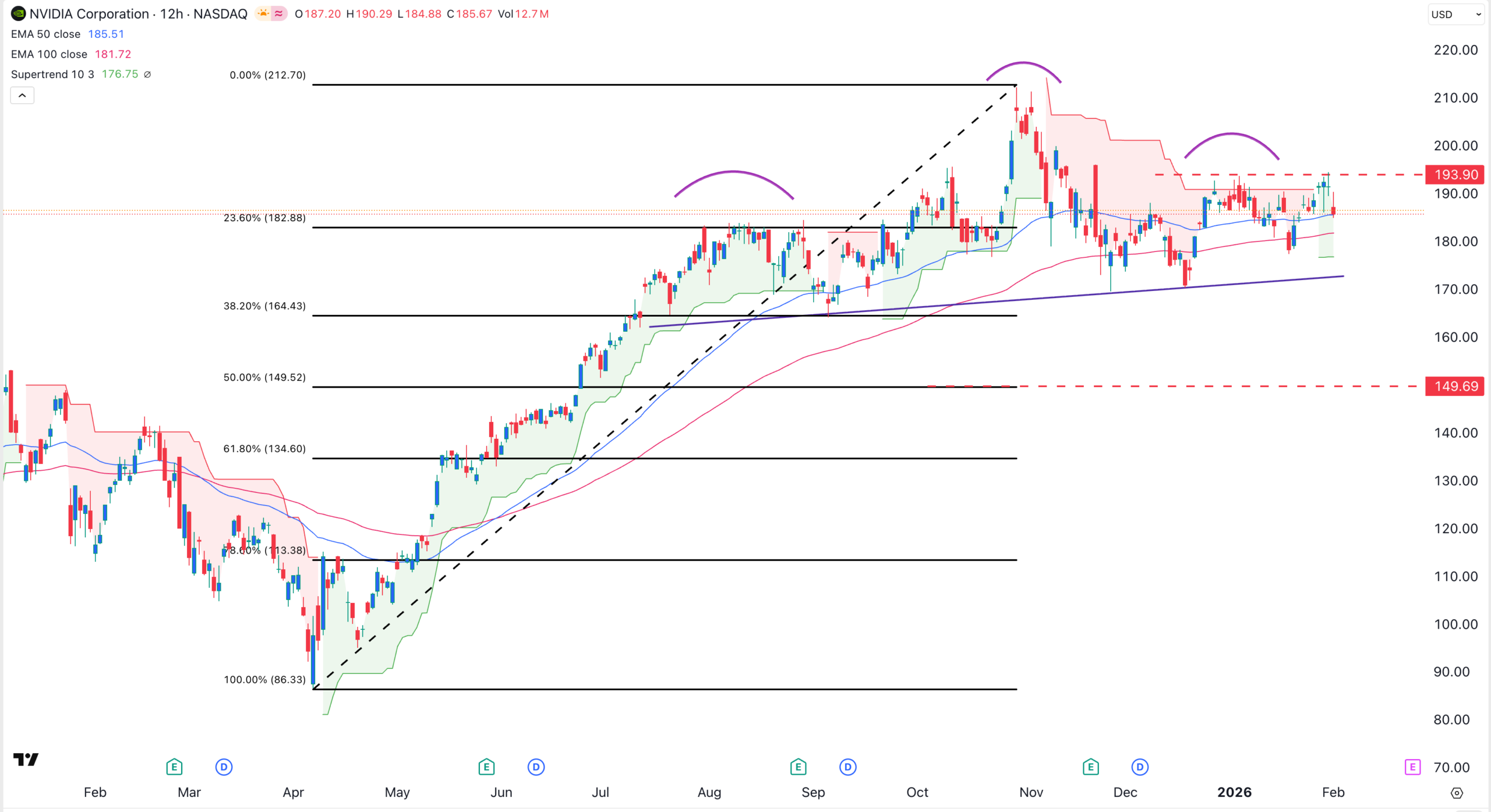
Beyond ether, the market has witnessed notable corporate and high-profile activity that shapes sentiment. Nvidia’s (EXCHANGE: NVDA) leadership publicly pushed back on the idea of a $100 billion investment in OpenAI, a development viewed by some as a potential risk-on catalyst for tech equities but a hedging offset for broader AI narratives in crypto. Paypal (EXCHANGE: PYPL) reported results that tempered enthusiasm about fintech-driven growth, contributing to a risk-off tilt that spills into crypto markets. Taken together, these developments remind investors that crypto price action remains tethered to the broader macro and tech stock cycles, even as crypto-specific signals—such as ETF flows and on-chain activity—offer additional layers of data for market participants to assess.
Within Ethereum’s ecosystem, notable moves by influential figures also attracted attention. Addresses linked to Ethereum co-founder Vitalik Buterin sold approximately $2.3 million worth of ETH after earmarking $45 million for donations toward privacy technologies, open hardware, and secure software. Buterin indicated that a total of 16,384 ETH would be deployed gradually over the coming years. While such activity is not uncommon among blockchain founders who periodically rebalance holdings, it underscores the ongoing interplay between philanthropy, governance, and market behavior in the Ethereum community.
Looking ahead, the current environment suggests that bullish ETH bets are not priced in aggressively, and the market may require a fresh catalyst to re-energize sentiment. On-chain and on-exchange indicators point to a cautious stance as traders await more clarity on liquidity, macro policy, and the potential impact of regulatory developments on institutional participation in crypto markets.
What to watch next
- Upcoming five-day period: Monitor ETF outflows and inflows for Ethereum spot vehicles to gauge whether institutional demand remains retreating or begins to reassert itself.
- On-chain activity: Track Ethereum DEX volumes and overall network activity for signs of renewed use or further cooling in activity levels.
- Funding rates: Watch ETH perpetual futures funding rate for any shift back toward positive territory, signaling renewed longing or continued caution.
- Macro and policy signals: Any new macro data or regulatory statements that could influence risk sentiment and liquidity across crypto markets.
Sources & verification
- Ethereum spot ETF net flows and price data referenced in market commentary and ETF trackers.
- ETH price level around $2,110 and the seven-day window of 28% decline.
- ETH perpetual futures funding rate data and related analyses on futures market dynamics.
- January DEX volumes and DefiLlama-based activity metrics for Ethereum.
- Public statements and actions regarding Vitalik Buterin’s ETH transfers and donation plans, including the transfer of 16,384 ETH over coming years.
This article was originally published as ETH Negative Funding Rates May Not Signal a Buy This Time on Crypto Breaking News – your trusted source for crypto news, Bitcoin news, and blockchain updates.
You May Also Like

Three dormant wallets, suspected to belong to the same entity, purchased 5,970 ETH eight hours ago.
NVIDIA Stock Price Analysis as OpenAI Issues Concerns About its Chips
