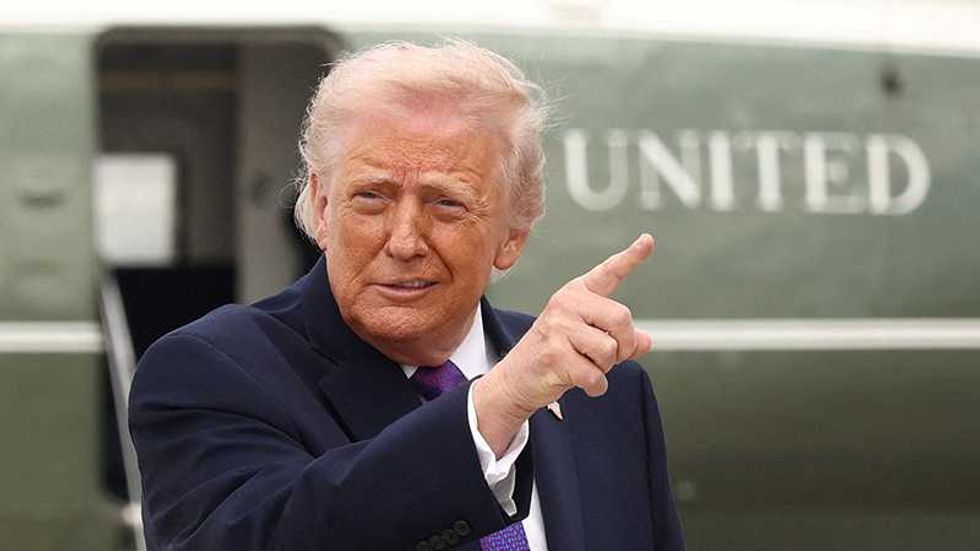
The CLARITY Act took a step forward after the US Senate Agriculture Committee approved its portion of the crypto market structure bill during a markup [...]The CLARITY Act took a step forward after the US Senate Agriculture Committee approved its portion of the crypto market structure bill during a markup [...]

US Senate Committee Moves CLARITY Act Forward on Party-Line Vote

2 min read

The CLARITY Act took a step forward after the US Senate Agriculture Committee approved its portion of the crypto market structure bill during a markup session.

The committee passed the Digital Commodity Intermediaries Act by a narrow 12–11 party-line vote, with Republicans supporting the bill and Democrats voting against it. This marks the first time a Senate committee has advanced part of the CLARITY Act, which aims to bring clearer rules to the US crypto industry.

The section approved by the Agriculture Committee mainly focuses on giving the Commodity Futures Trading Commission (CFTC) more authority to regulate crypto assets and intermediaries that are treated as commodities. Lawmakers discussed several amendments during the markup, but none gained bipartisan backing.

The next stage of the process now shifts to the Senate Banking Committee, which is responsible for reviewing the remaining portion of the CLARITY Act. However, the Banking Committee is not expected to hold its markup until late February or March, meaning progress could slow in the near term.

CLARITY Act Faces Ethics Debate as White House Steps In

There is also concern that a possible US government shutdown by the end of the week could further delay the legislative process, although talks are reportedly underway to avoid a prolonged shutdown. The bill also received a boost after reports that the White House plans to step in to help resolve disagreements between banks and crypto firms, especially over the stablecoin yield ban provision.

The White House is scheduled to meet with executives from both industries next week, raising hopes that a compromise could be reached before the Banking Committee begins its review. Despite this progress, ethical concerns remain a major issue for Democrats. Lawmakers have raised objections over the lack of provisions addressing former President Donald Trump’s ties to crypto-related businesses.

Senator Michael Bennet proposed an amendment to block senior government officials and their families from having direct crypto ties, but the committee rejected it.

Disclaimer: The articles reposted on this site are sourced from public platforms and are provided for informational purposes only. They do not necessarily reflect the views of MEXC. All rights remain with the original authors. If you believe any content infringes on third-party rights, please contact service@support.mexc.com for removal. MEXC makes no guarantees regarding the accuracy, completeness, or timeliness of the content and is not responsible for any actions taken based on the information provided. The content does not constitute financial, legal, or other professional advice, nor should it be considered a recommendation or endorsement by MEXC.

You May Also Like

Bitcoin ETFs Outpace Ethereum With $2.9B Weekly Surge

Bitcoin ETFs Outpace Ethereum With $2.9B Weekly Surge

The surge follows a difficult August, when investors pulled out more than $750 million while rotating capital into Ethereum-focused funds. […] The post Bitcoin ETFs Outpace Ethereum With $2.9B Weekly Surge appeared first on Coindoo.
Share
Coindoo2025/09/18 01:15
CME Group to launch options on XRP and SOL futures

CME Group to launch options on XRP and SOL futures

The post CME Group to launch options on XRP and SOL futures appeared on BitcoinEthereumNews.com. CME Group will offer options based on the derivative markets on Solana (SOL) and XRP. The new markets will open on October 13, after regulatory approval.  CME Group will expand its crypto products with options on the futures markets of Solana (SOL) and XRP. The futures market will start on October 13, after regulatory review and approval.  The options will allow the trading of MicroSol, XRP, and MicroXRP futures, with expiry dates available every business day, monthly, and quarterly. The new products will be added to the existing BTC and ETH options markets. ‘The launch of these options contracts builds on the significant growth and increasing liquidity we have seen across our suite of Solana and XRP futures,’ said Giovanni Vicioso, CME Group Global Head of Cryptocurrency Products. The options contracts will have two main sizes, tracking the futures contracts. The new market will be suitable for sophisticated institutional traders, as well as active individual traders. The addition of options markets singles out XRP and SOL as liquid enough to offer the potential to bet on a market direction.  The options on futures arrive a few months after the launch of SOL futures. Both SOL and XRP had peak volumes in August, though XRP activity has slowed down in September. XRP and SOL options to tap both institutions and active traders Crypto options are one of the indicators of market attitudes, with XRP and SOL receiving a new way to gauge sentiment. The contracts will be supported by the Cumberland team.  ‘As one of the biggest liquidity providers in the ecosystem, the Cumberland team is excited to support CME Group’s continued expansion of crypto offerings,’ said Roman Makarov, Head of Cumberland Options Trading at DRW. ‘The launch of options on Solana and XRP futures is the latest example of the…
Share
BitcoinEthereumNews2025/09/18 00:56
The FDA Is Trying To Make Corporate Free Speech Situational

The FDA Is Trying To Make Corporate Free Speech Situational

The post The FDA Is Trying To Make Corporate Free Speech Situational appeared on BitcoinEthereumNews.com. BENSENVILLE, ILLINOIS – SEPTEMBER 10: Flanked by U.S. Attorney General Pam Bondi (rear), and FDA Commissioner Marty Makary (R), Secretary of Health and Human Services Robert F. Kennedy Jr. speaks to the press outside Midwest Distribution after it was raided by federal agents on September 10, 2025 in Bensenville, Illinois. According to the company, various e-liquids were seized in the raid. (Photo by Scott Olson/Getty Images) Getty Images While running for President in 2008, Barack Obama famously chanted “Yes we can.” Love or hate his political views, Obama’s politics were quite effective. He was asking voters to think big, to envision a much better future. Advertisers no doubt approved. That’s because ads routinely evoke things not as they are, but as they could be. Gyms and exercise equipment companies don’t promote their locations and equipment with flabby, lumbering people, rather their ads show fit, upright, energetic individuals. A look ahead. Restaurants do the same with ads showing happy people enjoying impressively put together plates of food. Conversely, ads meant to convince smokers to quit have not infrequently shown the worst of the worst future downsides of the habit. The nature of advertising comes to mind as FDA commissioner Marty Makary puzzlingly brags that “The Trump Administration Is Taking On Big Pharma” in the New York Times. Makary laments pharmaceutical ads that “are filled with dancing patients, glowing smiles and catch jingles that drown out the fine print.” Not explained is whether Makary would be happier if drug companies placed ads with immobile patients, frowns, and funereal music. Seriously, what does he expect? Does he want drug companies to commit billions to drug development to accompany their achievements with imagery defined by misery? Has Makary stopped to contemplate the myriad shareholders lawsuits drugmakers would face if, upon risking staggering sums meant…
Share
BitcoinEthereumNews2025/09/18 06:29