

👨🏿🚀TechCabal Daily – KCB goes River-shopping
Good morning. 
If you haven’t read the State of Tech in Africa 2025 report, you’re missing the actual data behind a year that fundamentally changed the ecosystem. Beyond the funding headlines, our review tracks the $3.42 billion raised and the record 67 M&A deals that signalled a massive shift toward consolidation. We’ve analysed every strategic partnership and market expansion to show you which sectors are surviving and where capital is really flowing. Get the clarity you need to navigate 2026 with the most comprehensive data set in African tech.
- CBN levels up fintechs
- KCB acquires Riverbank
- Icasa tightens data rules
- Revego gets $62M
- World Wide Web 3
- Job Openings
policy
CBN levels up fintechs
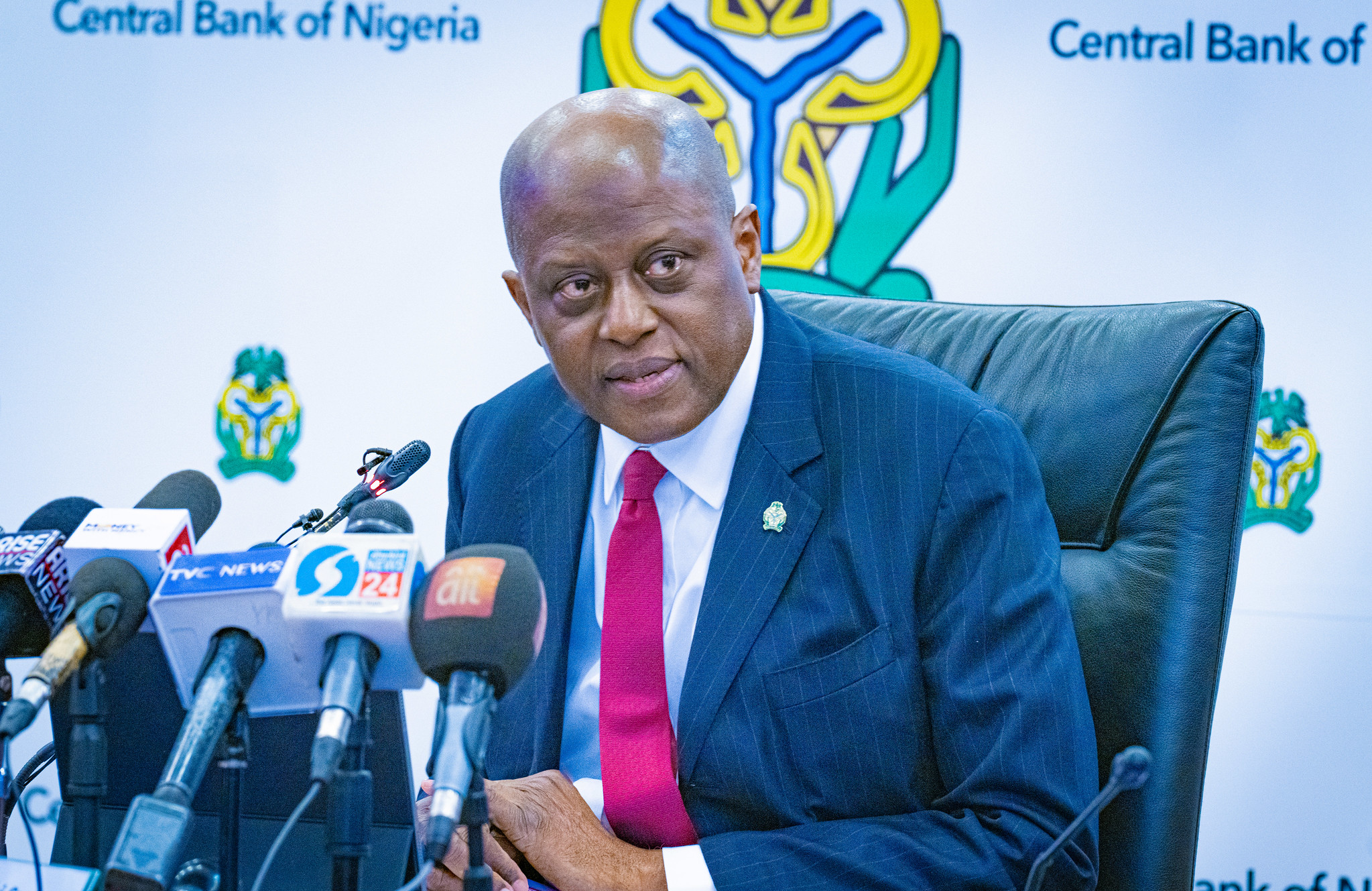 CBN Governor Olayemi Cardoso. Image Source: CBN.
Nigeria’s fintech heavyweights just got a regulatory glow-up.
The Central Bank of Nigeria (CBN) has upgraded the licences of leading fintechs and microfinance banks, including Moniepoint, OPay, PalmPay, and Kuda, to national status, formally recognising the nationwide scale they have built through apps and agent networks.
The regulator is admitting what everyone already knows: these fintechs are national players. The licences are simply catching up to operations that have long outgrown regional labels.
With the new standards comes stricter oversight. National Microfinance banks must now hold a minimum capital of ₦5 billion ($3.2 million), a significant increase from previous tiers. The move lands amid heightened regulatory scrutiny: in 2024, the CBN fined OPay and Moniepoint ₦1 billion ($650,000) each over compliance breaches.
For the CBN, the upgrade is a double-edged strategy: it cements these digital-first institutions as central to Nigeria’s financial inclusion push, while demanding greater capital strength, compliance, and accountability in return.
The decision also fits into Nigeria’s broader 2026 banking recapitalisation cycle. As commercial banks scramble to meet new capital thresholds by March 31, the CBN is signalling that fintech-led players serving the mass market will be held to similarly higher standards.
Your 2026 demands disciplined financial operations
Fincra powers the payments infrastructure businesses rely on to collect, pay, and settle across local and major African currencies with confidence. Get started.
banking
KCB gets nod from competition authority to acquire Riverbank Solutions
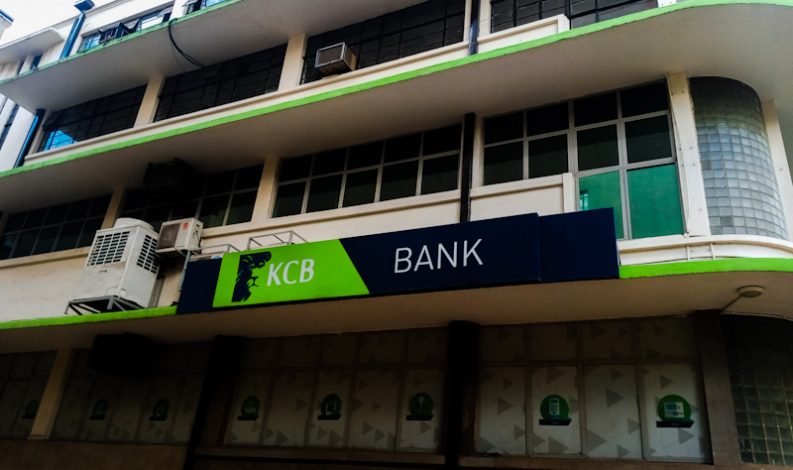 A KCB branch in Nairobi. IMAGE | KHUSOKO
The Competition Authority of Kenya (CAK), the country’s competition regulator and consumer protection enforcement agency, has greenlit the planned acquisition of a 75% stake in Riverbank Solutions, a payments and fintech provider, by Kenya’s biggest lender by assets, KCB Group.
As always, the greenlight comes with conditions: The deal is worth about KES 2 billion ($15 million) and now awaits final approval from the Central Bank of Kenya (CBK). Before the takeover can close, KCB must comply with CAK’s conditions regarding customer data and contracts. Riverbank’s systems, merchant relationships, consumer data, and privacy safeguards remain intact and are not used or accessed by KCB except as necessary for Riverbank Solutions’ operations.
What this means for KCB: Riverbank’s product stack includes business tools like Zed 360, a management tool for small businesses, agency banking rails, revenue-collection tech, and social payment platforms, all niches KCB hasn’t fully owned before. With this acquisition, KCB could offer a more comprehensive suite of digital payment services and better integration between traditional banking and fintech flows.
Riverbank isn’t a one-off. Shortly after announcing this deal, KCB revealed plans to acquire a stake in Pesapal, one of East Africa’s largest payment gateways, a transaction that is still pending regulatory approval. Taken together, the moves show KCB aggressively buying its way into payments infrastructure rather than building everything from scratch.
Get access to logistics providers across Africa

The Logistics Marketplace connects health buyers – governments, partners, humanitarian organisations & manufacturers with logistics providers across Africa. Backed by Global Fund & Gates Foundation, join for free with Access Code WELCOME2026!
policy
Icasa updates the rules on data bundles and billing
 Image Source: Icasa
South Africa’s communications regulator, Icasa, has updated its End-User and Subscriber Service Charter, introducing stricter rules on how mobile data, voice, and SMS bundles are sold and billed. These updates were announced in January and will take effect from 2027. The original service charter dates back to 2016, with later updates focused mainly on mobile data. This time, it’s different; it includes rules on voice and SMS billings.
So, what’s changing? Under these new rules, operators must alert users when they reach 50%, 80%, and 100% of bundle usage. Once a bundle is depleted, services must stop immediately and not be taken from the airtime balance unless the customer has opted into out-of-bundle charges.
There’s more: Bundles will be consumed in expiry-date order, meaning that if a user has more than one active bundle, operators must deplete the bundle that expires first, not the newer one. Unused bundles longer than seven days must automatically roll over, and customers can transfer bundles freely to others on the same network. Most interestingly, if network outages block data usage, the validity of the bundle must be extended.
Operators pushed back, but did it matter? A report from TechCentral says that mobile operators like Vodacom, MTN, Telkom, and Cell C warned that these regulations seem like regulatory interference and overreach, and risk increasing the cost of bundles. Icasa dismissed them, stating that it had the right to act on matters concerning end users. Pushback noted, rules unchanged.
The African shift in telecom consumer protection: Across Africa, governments and regulators are pushing for real telecom consumer protection. In Nigeria, the Nigerian Communications Commission (NCC) issued several mandates to ensure that telecom operators provide transparent billing and usage updates to consumers, including the 2024 Guidance on the Simplification of Tariffs in the Nigerian Communications Sector. Part of this regulation was to ensure that bundles are depleted in expiry-date order and that operators notify subscribers of any changes to their tariff plans.
Get clear guidance, support, and reporting tools that work.

Online Violence Has Offline Consequences
Online harm is real harm. Harassment and cyberbullying follow people into their homes, work, and daily lives. We all deserve safer digital spaces. Get clear guidance, support, and reporting tools that work. Visit kuramng.org to get started.
companies
Revego Africa energy fund lands $62m to power South Africa
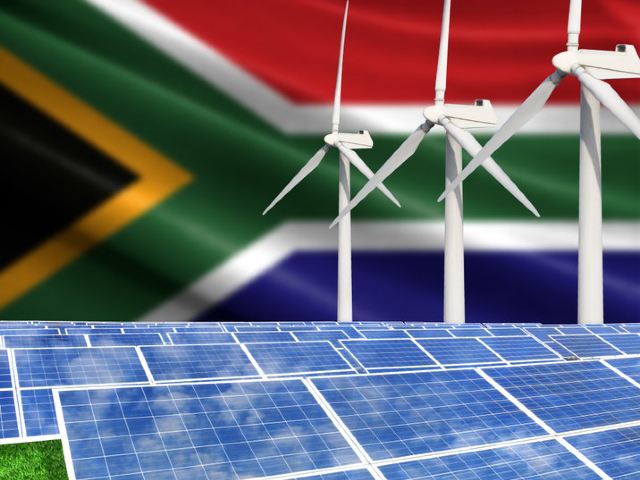 Image Source: ESI AFrica
Revego Africa Energy Fund, an Investec-backed firm, closed its first major capital raise since 2021, bringing its total portfolio value to R3 billion ($187 million). The funding comes from the UK’s British International Investment (BII) and South African pension giant Alexander Forbes, each contributing R500 million ($31 million).
How will the money be spent? The new capital will complete a 150MW solar plant in the Free State and fund five wind-power facilities across the country. Revego follows a buy-and-hold model, acquiring equity in operational renewable projects, a strategy that returned R600 million ($37 million) to investors over the past four years.
A game changer: A standout project is the Springbok solar plant, Africa’s first multi-buyer, flexible energy-wheeling facility. Private companies such as Amazon and Vodacom can purchase power directly, bypassing the unreliable state grid. For the South African tech ecosystem, this means energy security. As South Africa retires its coal plants, these decentralised mini-grids are becoming the backbone that keeps data centres running and startups online.
Revego’s CIO, Ziyaad Sarang, is thinking big. He wants the fund to hit R10 billion ($625 million) by 2029 and is already eyeing projects in sub-Saharan Africa. Once the fund hits the $1 billion mark, a public listing on the Johannesburg Stock Exchange is on the cards, potentially creating the liquid secondary market that African energy projects desperately need to attract global capital.
CRYPTO TRACKER
The World Wide Web3
Source:
|
Coin Name |
Current Value |
Day |
Month |
|---|---|---|---|
| Bitcoin | $88,419 |
+ 0.74% |
+ 0.95% |
| Ether | $2,934 |
+ 2.42% |
+ 0.09% |
| BNB | $883 |
+ 1.33% |
+ 4.83% |
| Solana | $124.11 |
– 1.22% |
– 0.30% |
* Data as of 06.35 AM WAT, January 27, 2026.
Breet runs the crypto layer end-to-end
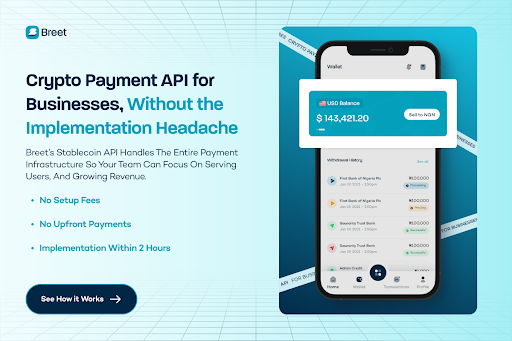
No wallets to manage. No volatility to worry about. Breet runs the crypto layer end-to-end so your team can focus on product, users, and Growth
JOB OPENINGS
- Big Cabal Media — Associate Videographer/Video Editor (full-time); Senior Financial Analyst (full-time); Zikoko Citizen Reporter (full-time); Content Creator (contract); Journalist (contract); Project Associate (contract); Senior Editor (contract); Senior Writer (contract) — Lagos, Nigeria
- Piggyvest — Senior Accounting Associate, Customer Success Intern — Lagos, Nigeria
- Buffer — Senior Engineer, Growth Marketing — Remote
- Moniepoint — Several roles — Remote (Nigeria)
- FirstBank — Business Development Lead, eCommerce & Retail — Lagos, Nigeria
- Wave — Machine Learning Scientist — Nairobi, Kenya
- Pavago — Customer Success Manager — Remote (Kenya)
There are more jobs on TechCabal’s job board. If you have job opportunities to share, please submit them at bit.ly/tcxjobs.
- Ask An Investor: Nearly 40% of African startup funding now comes from local investors
- Follow the Money: Nigeria made $276 million taxing digital payments. Crypto withdrawals are next Nigeria’s university entrance exams will now be monitored by live CCTV
Written by: Zia Yusuf, and Opeyemi Kareem
Edited by: Ganiu Oloruntade
Want more of TechCabal?
Sign up for our insightful newsletters on the business and economy of tech in Africa.
- The Next Wave: futuristic analysis of the business of tech in Africa.
- Francophone Weekly by TechCabal: insider insights and analysis of Francophone’s tech ecosystem
P:S If you’re often missing TC Daily in your inbox, check your Promotions folder and move any edition of TC Daily from “Promotions” to your “Main” or “Primary” folder and TC Daily will always come to you.

You May Also Like

Why Bitcoin Dominance Is Not Always a Reliable Market Signal

When numbers lie…
