US Democratic senators advanced a wave of amendments to a crypto market structure bill, sharpening oversight and ethics provisions as the chamber prepares for aUS Democratic senators advanced a wave of amendments to a crypto market structure bill, sharpening oversight and ethics provisions as the chamber prepares for a

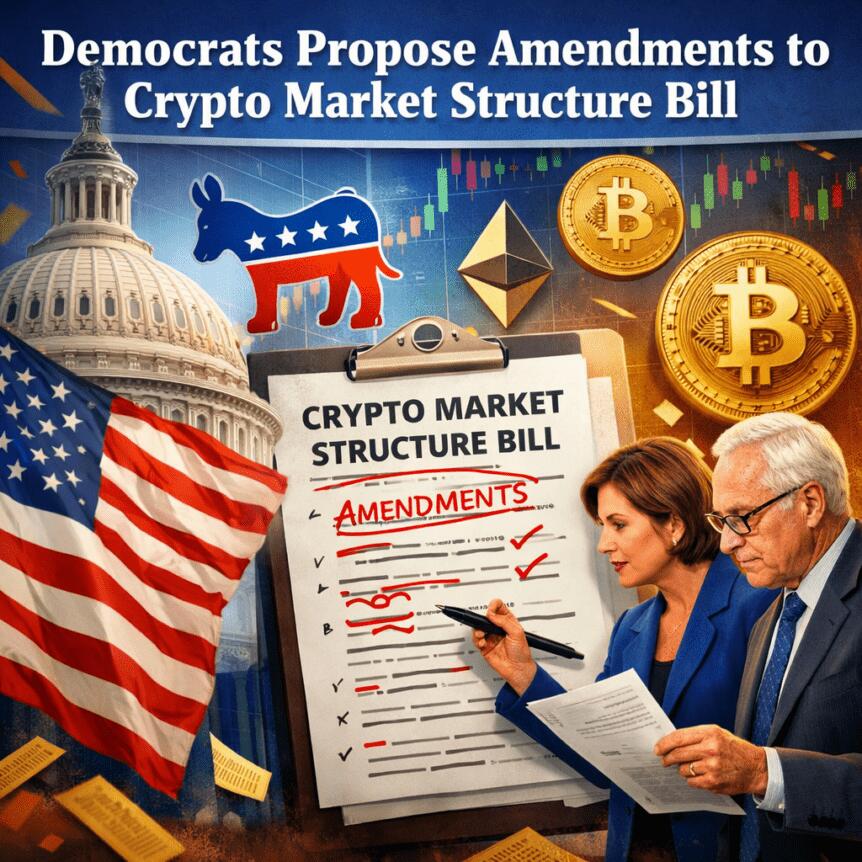
Democrats Propose Amendments to Crypto Market Structure Bill
democrats Propose Amendments To Crypto Market Structure Bill democrats Push Amendments To Crypto Market Structure Bill democrats Shape Crypto Market Structure Bill With Amendments

US Democratic senators advanced a wave of amendments to a crypto market structure bill, sharpening oversight and ethics provisions as the chamber prepares for a markup. The changes, described as largely ethics-focused, were filed ahead of the Senate Agriculture Committee’s scheduled review this week, as lawmakers seek clearer federal rules for digital assets, a defined regime of agency oversight, and greater certainty for investors and market participants.

The most notable proposal comes from Senator Michael Bennet, who has attached the Digital Asset Ethics Act to the crypto market structure legislation. The aim is to bar U.S. officials from profiting from crypto ventures or related holdings, addressing long-standing concerns about potential conflicts of interest in policy decisions that shape the sector.

Meanwhile, critics of the administration have pressed lawmakers to scrutinize potential conflicts of interest tied to the presidency. Senator Elizabeth Warren and other Democrats have raised concerns about President Donald Trump’s alleged ties to the crypto industry, including his involvement in World Liberty Financial, a platform whose growth has been cited in discussions about wealth accumulation tied to crypto interests.

CFTC should fill vacant seats before bill takes effect

In another track, Senator Amy Klobuchar proposed delaying the legislation’s implementation until the Commodity Futures Trading Commission has a full roster of commissioners. The CFTC, currently led by Chair Michael Selig, has four additional seats that remain unfilled, complicating expectations about when a comprehensive crypto regime might begin to operate. Selig, sworn in on December 22, leads a commission with no clear timeline for appointing the remaining members.

Other amendments from Senators Roger Marshall, Dick Durbin, and Peter Welch aim to broaden consumer protections and market competition. They include language drawn from the Credit Card Competition Act, intended to curb network exclusivity by credit card networks and certain card-issuing financial institutions. Proponents argue that reducing anticompetitive practices could improve transparency and lower costs for consumers and businesses operating in the digital asset ecosystem.

The push for tighter ethics rules and clearer oversight comes as the debate over the structure of crypto regulation continues to collide with broader concerns about financial stability, consumer protection, and the speed of regulatory action. The amendments reflect a growing insistence among lawmakers that any framework must address governance, conflicts of interest, and the potential for regulatory capture, even as the industry calls for predictable rules to foster innovation and investment.

The timing of the Senate markup has already been tense. The session was postponed earlier in January due to disagreements over stablecoin reward provisions and other decentralized finance safeguards, a dispute that contributed to Coinbase reportedly withdrawing support for the bill. The current round of amendments signals that lawmakers intend to press ahead with revisions that could shape the contours of U.S. crypto policy for years to come.

Snowstorm could postpone Senate markup again

Forecasts of a winter storm threatening Washington, D.C., over the weekend have raised concerns that Tuesday’s markup could be pushed back again. While weather disruptions are not unusual in Congress, the prospect of an further delay underscores the fragility of the legislative timetable for crypto legislation, which remains entangled with debates over how to regulate stablecoins and DeFi platforms while ensuring market integrity and consumer protection.

This article was originally published as Democrats Propose Amendments to Crypto Market Structure Bill on Crypto Breaking News – your trusted source for crypto news, Bitcoin news, and blockchain updates.

Disclaimer: The articles reposted on this site are sourced from public platforms and are provided for informational purposes only. They do not necessarily reflect the views of MEXC. All rights remain with the original authors. If you believe any content infringes on third-party rights, please contact service@support.mexc.com for removal. MEXC makes no guarantees regarding the accuracy, completeness, or timeliness of the content and is not responsible for any actions taken based on the information provided. The content does not constitute financial, legal, or other professional advice, nor should it be considered a recommendation or endorsement by MEXC.

You May Also Like

CME Group to Launch Solana and XRP Futures Options

CME Group to Launch Solana and XRP Futures Options

The post CME Group to Launch Solana and XRP Futures Options appeared on BitcoinEthereumNews.com. An announcement was made by CME Group, the largest derivatives exchanger worldwide, revealed that it would introduce options for Solana and XRP futures. It is the latest addition to CME crypto derivatives as institutions and retail investors increase their demand for Solana and XRP. CME Expands Crypto Offerings With Solana and XRP Options Launch According to a press release, the launch is scheduled for October 13, 2025, pending regulatory approval. The new products will allow traders to access options on Solana, Micro Solana, XRP, and Micro XRP futures. Expiries will be offered on business days on a monthly, and quarterly basis to provide more flexibility to market players. CME Group said the contracts are designed to meet demand from institutions, hedge funds, and active retail traders. According to Giovanni Vicioso, the launch reflects high liquidity in Solana and XRP futures. Vicioso is the Global Head of Cryptocurrency Products for the CME Group. He noted that the new contracts will provide additional tools for risk management and exposure strategies. Recently, CME XRP futures registered record open interest amid ETF approval optimism, reinforcing confidence in contract demand. Cumberland, one of the leading liquidity providers, welcomed the development and said it highlights the shift beyond Bitcoin and Ethereum. FalconX, another trading firm, added that rising digital asset treasuries are increasing the need for hedging tools on alternative tokens like Solana and XRP. High Record Trading Volumes Demand Solana and XRP Futures Solana futures and XRP continue to gain popularity since their launch earlier this year. According to CME official records, many have bought and sold more than 540,000 Solana futures contracts since March. A value that amounts to over $22 billion dollars. Solana contracts hit a record 9,000 contracts in August, worth $437 million. Open interest also set a record at 12,500 contracts.…
Share
BitcoinEthereumNews2025/09/18 01:39
China Blocks Nvidia’s RTX Pro 6000D as Local Chips Rise
China Blocks Nvidia’s RTX Pro 6000D as Local Chips Rise

The post China Blocks Nvidia’s RTX Pro 6000D as Local Chips Rise appeared on BitcoinEthereumNews.com. China Blocks Nvidia’s RTX Pro 6000D as Local Chips Rise China’s internet regulator has ordered the country’s biggest technology firms, including Alibaba and ByteDance, to stop purchasing Nvidia’s RTX Pro 6000D GPUs. According to the Financial Times, the move shuts down the last major channel for mass supplies of American chips to the Chinese market. Why Beijing Halted Nvidia Purchases Chinese companies had planned to buy tens of thousands of RTX Pro 6000D accelerators and had already begun testing them in servers. But regulators intervened, halting the purchases and signaling stricter controls than earlier measures placed on Nvidia’s H20 chip. Image: Nvidia An audit compared Huawei and Cambricon processors, along with chips developed by Alibaba and Baidu, against Nvidia’s export-approved products. Regulators concluded that Chinese chips had reached performance levels comparable to the restricted U.S. models. This assessment pushed authorities to advise firms to rely more heavily on domestic processors, further tightening Nvidia’s already limited position in China. China’s Drive Toward Tech Independence The decision highlights Beijing’s focus on import substitution — developing self-sufficient chip production to reduce reliance on U.S. supplies. “The signal is now clear: all attention is focused on building a domestic ecosystem,” said a representative of a leading Chinese tech company. Nvidia had unveiled the RTX Pro 6000D in July 2025 during CEO Jensen Huang’s visit to Beijing, in an attempt to keep a foothold in China after Washington restricted exports of its most advanced chips. But momentum is shifting. Industry sources told the Financial Times that Chinese manufacturers plan to triple AI chip production next year to meet growing demand. They believe “domestic supply will now be sufficient without Nvidia.” What It Means for the Future With Huawei, Cambricon, Alibaba, and Baidu stepping up, China is positioning itself for long-term technological independence. Nvidia, meanwhile, faces…
Share
BitcoinEthereumNews2025/09/18 01:37
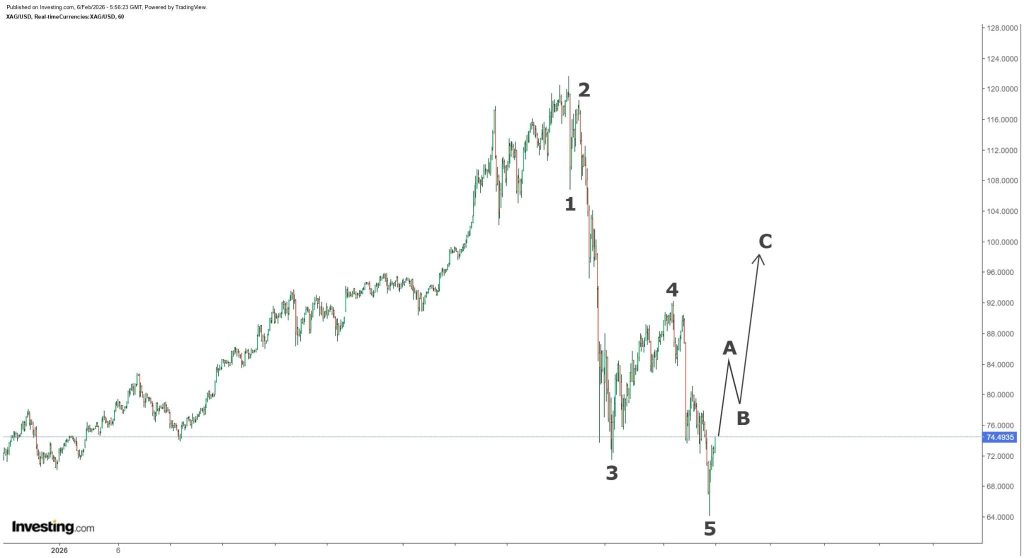
Silver Price Crash Is Over “For Real This Time,” Analyst Predicts a Surge Back Above $90

Silver Price Crash Is Over “For Real This Time,” Analyst Predicts a Surge Back Above $90

Silver has been taking a beating lately, and the Silver price hasn’t exactly been acting like a safe haven. After running up into the highs, the whole move reversed
Share
Captainaltcoin2026/02/07 03:15
