

My Unorthodox Tech Stack and How a Marketing Degree Makes Me a Better React Developer
\ When developers share their "tech stack," we expect to see React, TypeScript, Tailwind, maybe GraphQL but guess what? Here's mine:
React | Customer Lifetime Value | TypeScript | A/B Testing Frameworks | Tailwind | SEO-as-Architecture | GA4 | ITIL Service Mindset
The right side of that stack—the non-technical side—isn't just fluff. It's what separates my code from AI-generated boilerplate. Having come from business operations into development, then formalizing it through an MSc in Marketing with Digital Strategy, I've discovered that the most powerful framework I use isn't made by Meta or Google. It's the strategic understanding of why systems exist.
Theory to Component— A Three Transformational Move
1. Customer Lifetime Value (CLV) → State Management Strategy
In marketing, CLV isn't about a single transaction. It's about optimizing the entire relationship. This changed how I architected Netflix-GPT.
The Marketing Principle: Increase CLV by reducing friction in the discovery phase and personalizing the experience to encourage return visits.
The React Implementation: I didn't just build a movie search. I built a discovery engine optimized for session depth. My Redux store wasn't structured by API endpoints, but by user journey stages:
\
// Simplified slice structure focused on journey, not just data
const movieDiscoverySlice = createSlice({
name: 'discovery',
initialState: {
explorationPhase: 'initial', // 'initial' | 'refining' | 'deep_dive'
sessionInteractions: 0,
personalizedSuggestions: [], previouslyViewed: [], }, });
Every interaction—searching, watching a trailer, toggling languages—incremented sessionInteractions. This wasn't vanity metrics; this data determined when to surface the AI-powered recommendations (expensive API calls) versus cached suggestions. The expensive AI calls only triggered after sufficient engagement signals, ensuring computational resources aligned with user commitment level. The multilingual feature wasn't an afterthought—it was a direct CLV expansion play, removing barriers for non-English speakers.
The Result is a product where the technical architecture mirrors the business goal of maximizing engagement per user, not just serving API data.
\n  2. A/B Testing & Analytics → First-Class Development Concerns**
Most developers treat analytics as a final npm install—something sprinkled on top. My Google Analytics GA4 certification taught me to treat it as a core architectural concern, like TypeScript typing.
The Marketing Principle: Every interaction is a learnable signal. Hypothesis-driven changes beat opinion-driven changes.
In my PayAPI SaaS project, every major component receives analytics props alongside its standard ones:
typescript
interface CTAButtonProps {
children: React.ReactNode;
onClick: () => void;
variant: 'primary' | 'secondary';
// Analytics as required prop, not afterthought analyticsEvent: { eventName: string; eventCategory: string; eventLabel?: string; }; }
I built a custom hook, useAnalyticsEvent, that wraps event handlers and automatically dispatches to GA4 while performing the main action. But more importantly—I structure experiments into the codebase itself. A/B test variations aren't CSS hacks; they're properly typed feature flags in the context provider, allowing different user segments to receive different UI logic cleanly and measurably.
This approach transformed a client project. When I suggested a button color change wasn't based on "modern design trends" but on running a two-week A/B test that showed a 3.2% higher conversion with a specific contrast ratio, the conversation shifted from subjective opinions to data-driven decisions.
3. SEO as a System, Not a Tag → Performance Architecture
Many developers think SEO is about meta tags and sitemaps. My experience boosting organic traffic by 20% for clients taught me that SEO is a core performance and architecture challenge.
The Marketing Principle: Search visibility is a function of relevance + authority + user experience. Google's Core Web Vitals are just quantified UX.
The React Implementation:
When I built my Country Explorer app, I didn't just make it fast. I architectured it as a static-first, dynamic-second system for search engines
\
-
Pre-rendered SEO Cores: Each country page has a statically generated shell with key information (name, capital, population) directly in the initial HTML, bypassing the "blank page then load" problem that plagues SPAs.
\
-
Progressive Hydration: The interactive elements (theme toggler, detailed filters) hydrate only after the core content is visible and interactive. This isn't just clever React—it's directly addressing Google's Interaction to Next Paint (INP) metric. \n
-
API Caching Strategy: REST API responses are cached with stale-while-revalidate patterns not just for speed, but because consistent, fast response times reduce bounce rates—a ranking factor.
My useCountryData hook manages three data states: static fallback (for immediate render), cached client-side data, and fresh API data—prioritizing perceived performance because SEO isn't about tricks, it's about fundamentally serving users better.
\n 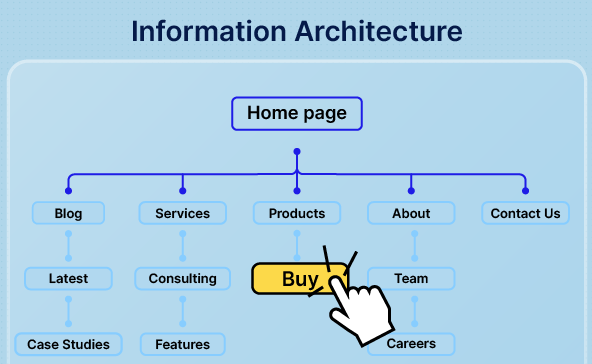 The Hybrid Developer's Advantage**
This "unorthodox stack" creates a powerful feedback loop:
- Business Objective (Increase engagement) →
- Marketing Translation (Improve session depth via personalization) →
- Technical Implementation (Intelligent state management delaying expensive calls until engagement merit) →
- Measurement (Analytics track session length and return rate) →
Learning (Validate hypothesis, refine component logic)
While AI can now generate a generic movie search app, it cannot architect a system where the state management strategy is intrinsically tied to a Customer Lifetime Value optimization model. That requires understanding the why before the how.
Building Your Dual Stack
You don't need a marketing degree. Start here:
- Take One Business Concept: Pick one—CLV, conversion funnel, attribution modeling. Spend 30 minutes understanding it.
- Map It to Your Current Project: Where in your codebase does this concept live? Is it in a messy
useEffect?Is it ignored entirely? - Refactor One Component: Rewrite it with that business logic as the driving principle. Not as a comment, but as the actual architecture
Don’t get it wrong— My "Marketing + React" stack isn't about doing two jobs. It's about doing one job—building valuable digital products—with twice the perspective. In an era of accelerating AI code generation, our competitive edge isn't writing more code, but writing code that understands what it's for.
The most sophisticated component I've ever built wasn't the most technically complex. It was the one where every prop could be traced back to a business KPI, and every state update told a story about user behavior. That's when code stops being syntax and starts being strategy.
You May Also Like

Trading time: Tonight, the US GDP and the upcoming non-farm data will become the market focus. Institutions are bullish on BTC to $120,000 in the second quarter.

XRP Gains Momentum as Gemini Brings RLUSD to the Ledger for Instant, Low-Cost Settlements ⋆ ZyCrypto
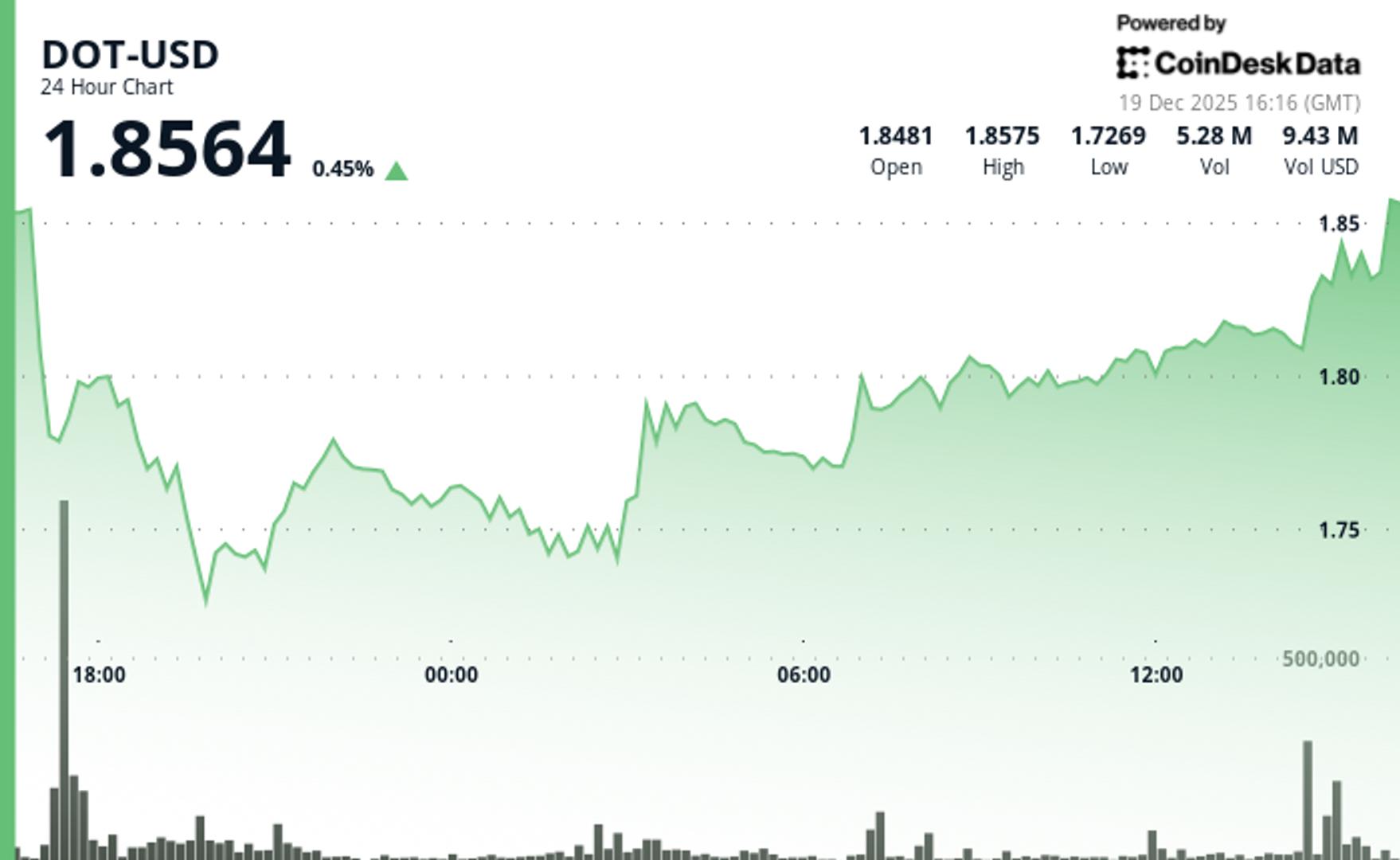
Polkadot's DOT holds steady with token unchanged over 24 hours
Copy linkX (Twitter)LinkedInFacebookEmail