Revolutionary Move: dYdX Launches Solana Spot Trading for U.S. Users
BitcoinWorld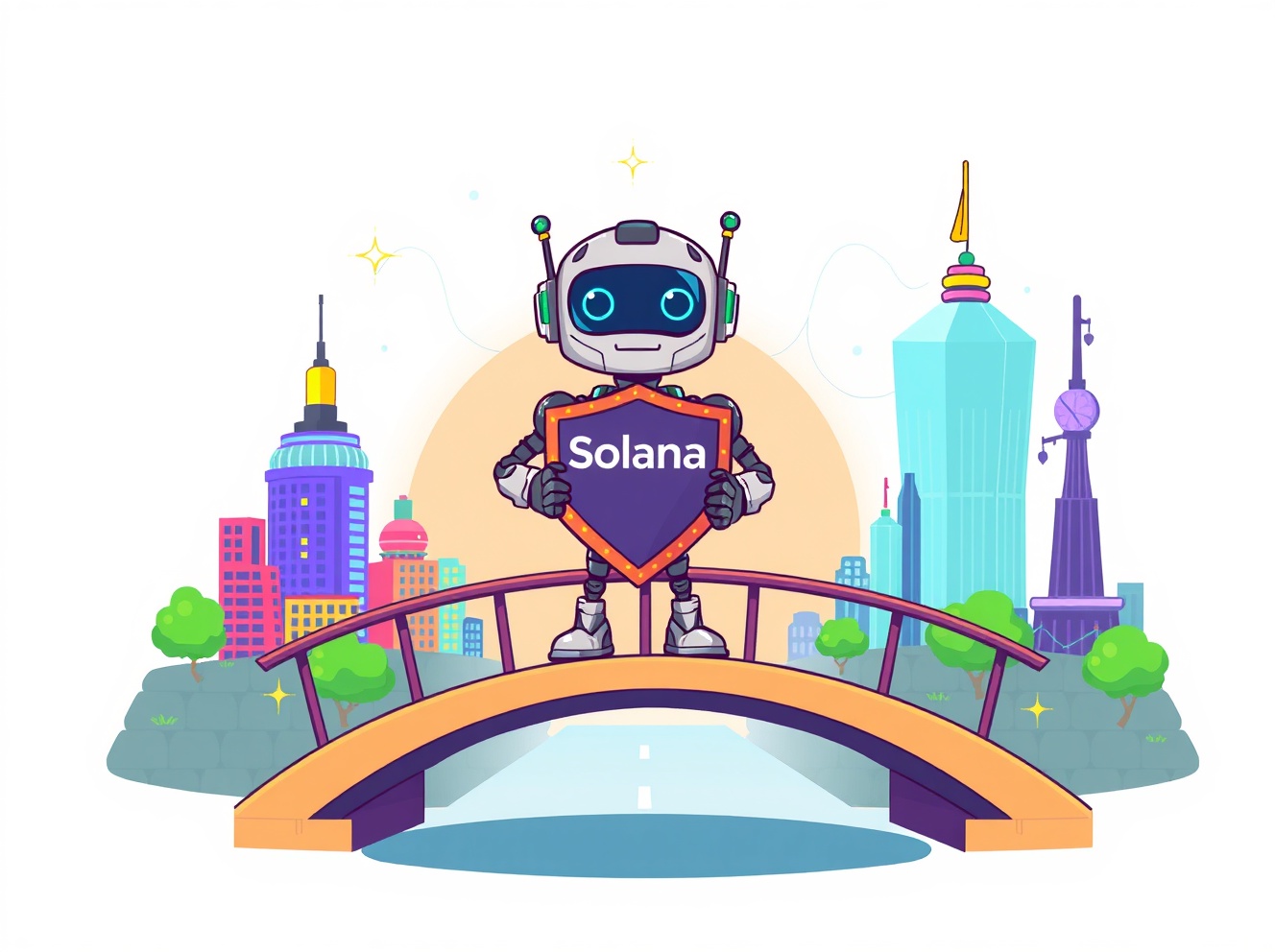
Revolutionary Move: dYdX Launches Solana Spot Trading for U.S. Users
In a landmark move for decentralized finance, the dYdX exchange has launched a Solana spot trading product specifically for users in the United States. This development marks a significant expansion of accessible crypto markets, as reported by CoinDesk. For the first time, U.S.-based traders can engage in direct spot trading of Solana (SOL) assets on a major decentralized exchange (DEX), bypassing traditional centralized gateways. This article breaks down what this launch means for you, the market, and the future of DeFi.
Why Is dYdX’s Solana Spot Trading Launch a Game-Changer?
dYdX’s decision to offer Solana spot trading to U.S. customers is not just another listing. It represents a strategic bridge between a high-performance blockchain and a regulated market hungry for decentralized options. Previously, U.S. users faced significant hurdles accessing SOL through DEXs due to regulatory complexities. By becoming the first DEX to navigate this challenge successfully, dYdX provides a crucial on-ramp. This move enhances market liquidity and offers traders a non-custodial alternative, meaning they retain full control of their assets.
What Are the Immediate Benefits for Traders?
For traders, this launch unlocks new opportunities. Here are the key advantages:
- Regulatory Clarity and Access: U.S. users now have a compliant, decentralized path to trade SOL directly.
- Enhanced Self-Custody: Traders execute Solana spot trading without surrendering their private keys to a centralized entity, aligning with crypto’s core ethos.
- Market Efficiency: Introducing a major DEX into the SOL spot market can improve price discovery and reduce spreads.
- Portfolio Diversification: It simplifies the process of adding Solana, a leading Layer 1 blockchain, to a DeFi-focused portfolio.
How Does This Impact the Broader DeFi Ecosystem?
The implications extend far beyond individual trades. dYdX’s pioneering step could pressure other decentralized platforms to expand their U.S.-compliant offerings. Moreover, it strengthens Solana’s position within institutional and retail DeFi circles by increasing its utility and accessibility. This integration demonstrates a maturing infrastructure where major blockchains and advanced DEXs can collaborate within regulatory frameworks. Consequently, it paves the way for more complex financial products, like cross-margin trading, to be built on these foundations.
What Challenges and Considerations Remain?
Despite the progress, challenges persist. Regulatory landscapes remain fluid, and dYdX must maintain rigorous compliance. Users, especially newcomers, must understand the technical responsibilities of self-custody, including securing seed phrases. Furthermore, while Solana spot trading is now available, the depth of the order book and overall liquidity in its early days will be tested by real market volatility. Traders should proceed with caution and conduct thorough research.
Conclusion: A Significant Step Toward an Open Financial System
dYdX’s launch of Solana spot trading for U.S. users is a definitive step forward. It successfully merges regulatory adherence with decentralized principles, offering a practical, self-custodial trading solution. This move not only benefits traders but also signals to the entire industry that compliant, user-centric DeFi is achievable. As bridges like these are built, the vision of a more open, efficient, and accessible global financial system comes closer to reality.
Frequently Asked Questions (FAQs)
Q1: What exactly is Solana spot trading on dYdX?
A1: It allows users to buy and sell Solana (SOL) tokens directly for other cryptocurrencies (like USDC) on the dYdX decentralized exchange, with immediate settlement.
Q2: Is this service available to all U.S. residents?
A2: While launched for the U.S. market, users must still pass dYdX’s own eligibility checks and comply with Know Your Customer (KYC) procedures, which may restrict access in certain states.
Q3: How does trading on a DEX like dYdX differ from a centralized exchange (CEX)?
A3: On a DEX, you trade directly from your personal crypto wallet, maintaining self-custody. On a CEX, you deposit funds into an account controlled by the exchange company.
Q4: Are there any special risks with Solana spot trading on dYdX?
A4> The primary risks are associated with self-custody (losing your private key means losing funds forever), smart contract vulnerabilities (though audited), and potential market volatility on a new trading pair.
Q5: Does this mean dYdX will list more altcoins for U.S. spot trading?
A5: This successful launch sets a precedent. It is highly likely that dYdX will explore adding other compliant altcoins for U.S. spot trading in the future, depending on regulatory and market demand.
Found this insight into the future of DeFi trading helpful? Share this article with your network on Twitter or LinkedIn to spark a conversation about the evolving landscape of decentralized finance and accessible crypto trading!
To learn more about the latest decentralized finance trends, explore our article on key developments shaping Solana and its role in institutional adoption.
This post Revolutionary Move: dYdX Launches Solana Spot Trading for U.S. Users first appeared on BitcoinWorld.
You May Also Like
Stellar at a Crossroad: Facing Market Challenges

Swissie strength tests post-2015 lows – Societe Generale