The post UK Tax Shift May Boost DeFi Adoption, Aave Founder Suggests appeared on BitcoinEthereumNews.com. The UK’s HMRC has updated its tax treatment for DeFi interactions, classifying deposits into lending or staking platforms as non-taxable events until assets are sold, paving the way for broader decentralized finance adoption as noted by Aave founder Stani Kulechov. HMRC treats DeFi deposits as neutral transfers, delaying capital gains tax until actual disposal of assets. This clarity resolves long-standing uncertainties for users engaging with smart contracts in decentralized finance. Aave’s innovations, including mobile onboarding, are expected to boost both retail and institutional participation in DeFi protocols. Discover how the UK tax shift on DeFi deposits is unlocking wider adoption for lending and staking. Aave founder Stani Kulechov highlights growth opportunities—explore now! What Is the UK’s New Tax Treatment for DeFi Interactions? The UK’s new tax treatment for DeFi interactions classifies transfers of tokens into lending, staking, or borrowing protocols as non-taxable events, according to guidance from HM Revenue and Customs (HMRC). This means users no longer face immediate capital gains tax when depositing assets like Bitcoin or Ether into decentralized finance platforms. Instead, tax liability is deferred until the assets are disposed of through sale or exchange, providing much-needed certainty in the crypto space. How Does This Change Impact Retail and Institutional DeFi Users? The shift in HMRC’s policy addresses a key barrier that has deterred widespread DeFi participation. Previously, users worried that every interaction with smart contracts—such as depositing funds into a liquidity pool—could be interpreted as a taxable disposal, leading to complex and costly tax reporting. Now, with deposits treated as neutral, retail investors can lend or stake their cryptocurrencies without triggering immediate tax obligations, simplifying compliance and encouraging experimentation with yield-generating opportunities. For institutional players, this clarity is transformative. Large funds and financial institutions, which often navigate stringent regulatory environments, have been cautious about DeFi due… The post UK Tax Shift May Boost DeFi Adoption, Aave Founder Suggests appeared on BitcoinEthereumNews.com. The UK’s HMRC has updated its tax treatment for DeFi interactions, classifying deposits into lending or staking platforms as non-taxable events until assets are sold, paving the way for broader decentralized finance adoption as noted by Aave founder Stani Kulechov. HMRC treats DeFi deposits as neutral transfers, delaying capital gains tax until actual disposal of assets. This clarity resolves long-standing uncertainties for users engaging with smart contracts in decentralized finance. Aave’s innovations, including mobile onboarding, are expected to boost both retail and institutional participation in DeFi protocols. Discover how the UK tax shift on DeFi deposits is unlocking wider adoption for lending and staking. Aave founder Stani Kulechov highlights growth opportunities—explore now! What Is the UK’s New Tax Treatment for DeFi Interactions? The UK’s new tax treatment for DeFi interactions classifies transfers of tokens into lending, staking, or borrowing protocols as non-taxable events, according to guidance from HM Revenue and Customs (HMRC). This means users no longer face immediate capital gains tax when depositing assets like Bitcoin or Ether into decentralized finance platforms. Instead, tax liability is deferred until the assets are disposed of through sale or exchange, providing much-needed certainty in the crypto space. How Does This Change Impact Retail and Institutional DeFi Users? The shift in HMRC’s policy addresses a key barrier that has deterred widespread DeFi participation. Previously, users worried that every interaction with smart contracts—such as depositing funds into a liquidity pool—could be interpreted as a taxable disposal, leading to complex and costly tax reporting. Now, with deposits treated as neutral, retail investors can lend or stake their cryptocurrencies without triggering immediate tax obligations, simplifying compliance and encouraging experimentation with yield-generating opportunities. For institutional players, this clarity is transformative. Large funds and financial institutions, which often navigate stringent regulatory environments, have been cautious about DeFi due…

UK Tax Shift May Boost DeFi Adoption, Aave Founder Suggests

  • HMRC treats DeFi deposits as neutral transfers, delaying capital gains tax until actual disposal of assets.

  • This clarity resolves long-standing uncertainties for users engaging with smart contracts in decentralized finance.

  • Aave’s innovations, including mobile onboarding, are expected to boost both retail and institutional participation in DeFi protocols.

Discover how the UK tax shift on DeFi deposits is unlocking wider adoption for lending and staking. Aave founder Stani Kulechov highlights growth opportunities—explore now!

What Is the UK’s New Tax Treatment for DeFi Interactions?

The UK’s new tax treatment for DeFi interactions classifies transfers of tokens into lending, staking, or borrowing protocols as non-taxable events, according to guidance from HM Revenue and Customs (HMRC). This means users no longer face immediate capital gains tax when depositing assets like Bitcoin or Ether into decentralized finance platforms. Instead, tax liability is deferred until the assets are disposed of through sale or exchange, providing much-needed certainty in the crypto space.

How Does This Change Impact Retail and Institutional DeFi Users?

The shift in HMRC’s policy addresses a key barrier that has deterred widespread DeFi participation. Previously, users worried that every interaction with smart contracts—such as depositing funds into a liquidity pool—could be interpreted as a taxable disposal, leading to complex and costly tax reporting. Now, with deposits treated as neutral, retail investors can lend or stake their cryptocurrencies without triggering immediate tax obligations, simplifying compliance and encouraging experimentation with yield-generating opportunities.

For institutional players, this clarity is transformative. Large funds and financial institutions, which often navigate stringent regulatory environments, have been cautious about DeFi due to undefined tax implications. Stani Kulechov, founder of Aave, emphasized in recent statements that “this update resolves a long-running debate and gives both seasoned and new users confidence to participate without fear of immediate taxation.” Data from blockchain analytics firm Chainalysis indicates that institutional inflows into DeFi protocols grew by 45% in the first half of 2025, and experts predict this ruling could accelerate that trend by reducing compliance hurdles. Kulechov further noted that Aave, a leading DeFi lending protocol with over $10 billion in total value locked as of late 2025, stands to benefit directly as more regulated entities explore on-chain collateral and borrowing markets.

The policy aligns with broader efforts by UK regulators to foster innovation in digital assets while maintaining fiscal oversight. According to a report from the Financial Conduct Authority (FCA), clearer tax guidelines could unlock up to £5 billion in new investments into UK-based crypto activities by 2027. This development not only boosts user confidence but also positions the UK as a competitive hub for DeFi innovation in Europe, especially amid varying approaches across the continent.

Frequently Asked Questions

What Does the HMRC Ruling Mean for Taxing DeFi Deposits in the UK?

The HMRC ruling specifies that moving cryptocurrencies into DeFi protocols for lending or staking does not constitute a taxable event. Capital gains tax applies only when assets are sold or exchanged for fiat or other tokens, allowing users to earn yields without upfront tax burdens. This applies to assets like BTC, ETH, and stablecoins such as USDC.

Will This UK Tax Shift Encourage More People to Use DeFi Platforms Like Aave?

Yes, this tax shift is likely to draw more users to DeFi platforms by eliminating a major uncertainty. Stani Kulechov has stated that it will boost both retail and institutional engagement, making protocols like Aave more accessible through user-friendly interfaces that mimic traditional banking apps for seamless onboarding.

Key Takeaways

  • Non-Taxable DeFi Deposits: HMRC now views token transfers to lending or staking as neutral, postponing tax until disposal and easing user participation.
  • Boost for Institutions: Clear rules reduce compliance risks, potentially increasing inflows from large funds into DeFi markets as predicted by Aave’s founder.
  • Accessibility Innovations: Aave’s mobile-first approach hides blockchain complexities, enabling direct bank-to-DeFi transfers to drive everyday adoption.

Conclusion

The UK’s tax shift for DeFi interactions marks a pivotal moment for decentralized finance, offering regulatory clarity that could spur significant growth in lending and staking activities. As highlighted by Aave founder Stani Kulechov, this change intersects with evolving traditional savings options, like the reduced ISA allowances, to redirect interest toward innovative yield platforms. With DeFi’s battle-tested infrastructure providing resilient alternatives to centralized banking, users and institutions alike are poised for expanded opportunities—stay informed to capitalize on this emerging landscape.

In the broader context of global crypto regulation, the UK’s proactive stance sets a precedent. Experts from firms like Deloitte have noted that similar policies in other jurisdictions could harmonize international DeFi standards, mitigating cross-border tax complexities. For Aave specifically, Kulechov outlined plans to enhance protocol security and user education, ensuring that as adoption rises, participants benefit from transparent, efficient financial tools.

Retail users, in particular, stand to gain from simplified tax reporting. Tools integrated into wallets and exchanges will likely evolve to track deferred liabilities automatically, further lowering barriers. Meanwhile, the interplay between DeFi yields—often exceeding 5% annually on stable assets—and diminishing traditional returns underscores the timing’s relevance. As of December 2025, Aave’s governance community has approved updates to support more fiat on-ramps, aligning with Kulechov’s vision of DeFi as an extension of everyday finance.

Looking ahead, this HMRC guidance could influence policy discussions at the European level, where fragmented rules have slowed DeFi momentum. By prioritizing user protections without stifling innovation, the UK fosters an ecosystem where decentralized protocols like Aave thrive, delivering value to a diverse user base. Investors are encouraged to review their portfolios in light of these changes and consult tax professionals for personalized advice.

Source: https://en.coinotag.com/uk-tax-shift-may-boost-defi-adoption-aave-founder-suggests
Market Opportunity
Boost Logo
Boost Price(BOOST)
$0.0000885
$0.0000885$0.0000885
+21.23%
USD
Boost (BOOST) Live Price Chart
Disclaimer: The articles reposted on this site are sourced from public platforms and are provided for informational purposes only. They do not necessarily reflect the views of MEXC. All rights remain with the original authors. If you believe any content infringes on third-party rights, please contact service@support.mexc.com for removal. MEXC makes no guarantees regarding the accuracy, completeness, or timeliness of the content and is not responsible for any actions taken based on the information provided. The content does not constitute financial, legal, or other professional advice, nor should it be considered a recommendation or endorsement by MEXC.

You May Also Like

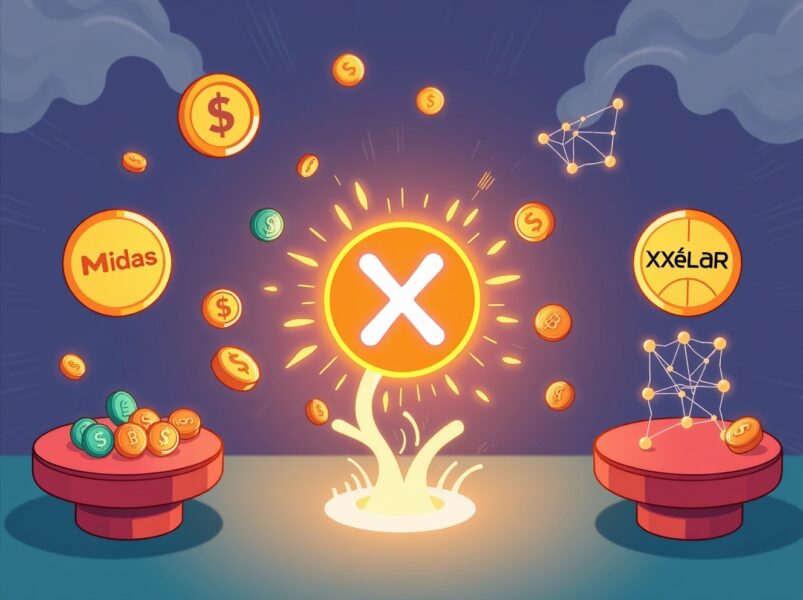
Revolutionary: Midas and Axelar Launch Tokenized XRP with 8% Target Yield

Revolutionary: Midas and Axelar Launch Tokenized XRP with 8% Target Yield

BitcoinWorld Revolutionary: Midas and Axelar Launch Tokenized XRP with 8% Target Yield The cryptocurrency world is constantly evolving, bringing exciting new opportunities for investors. A recent development has captured significant attention: the launch of tokenized XRP by Midas and Axelar. This innovative collaboration aims to transform how you interact with your XRP holdings, potentially offering an attractive yield. What is Tokenized XRP (mXRP) and Why Does it Matter? Imagine holding your favorite digital asset, XRP, but also having the ability to earn a passive income from it. That is precisely what Midas, an asset tokenization platform, has achieved by partnering with Axelar, a leading blockchain interoperability protocol. Together, they have introduced mXRP, a tokenized version of XRP that comes with a compelling target annual yield. This initiative is more than just another crypto product; it represents a significant step forward in making digital assets work harder for their holders. By tokenizing XRP, Midas is essentially creating a digital representation of the asset on a different blockchain, allowing it to participate in decentralized finance (DeFi) activities that were previously inaccessible to native XRP. The immediate appeal lies in the product’s base annual yield, which currently hovers around 8%. Midas and Axelar have publicly stated their commitment to maintaining this yield within a 6% to 8% range, providing a degree of stability and predictability often sought after in the volatile crypto market. This stable yield target is a crucial differentiator, aiming to attract both new and experienced crypto participants looking for reliable returns. How Does This Partnership Benefit XRP Holders? The collaboration between Midas and Axelar brings distinct advantages to the XRP community and the broader crypto ecosystem. Here’s a closer look at the key benefits: Enhanced Utility for XRP: Traditionally, XRP has been known for its speed and low transaction costs, primarily used for cross-border payments. With mXRP, the asset gains new utility within the DeFi space, expanding its potential applications beyond its native blockchain. Attractive Yield Opportunities: The 8% target yield on tokenized XRP is highly competitive, especially when compared to traditional savings accounts or even some other crypto staking options. This allows XRP holders to potentially grow their assets passively. Increased Accessibility: Axelar’s interoperability protocol ensures that mXRP can seamlessly move across various blockchain networks. This means greater flexibility and access to a wider range of DeFi protocols and applications for mXRP holders. Diversification of Investment Strategies: For investors looking to diversify their crypto portfolio, mXRP offers a unique blend of exposure to XRP’s value proposition combined with the income-generating potential of DeFi. Institutional Interest: The structured nature and targeted yield of products like mXRP could attract more institutional investors to the XRP ecosystem, further validating its market presence and utility. Moreover, the partnership leverages the strengths of both platforms. Midas excels in asset tokenization, providing the infrastructure to create and manage mXRP. Axelar, on the other hand, ensures secure and efficient cross-chain communication, making mXRP truly interoperable. This synergy is vital for the product’s success and broad adoption. Navigating the Future of Tokenized XRP: What Should Investors Consider? While the launch of tokenized XRP presents exciting prospects, it is important for investors to approach it with a clear understanding of the crypto landscape. The target yield, while appealing, is not guaranteed and can be subject to market conditions and the underlying mechanisms used to generate that yield. As with any crypto investment, understanding the technology, the partners involved, and the potential risks is paramount. Investors should research Midas and Axelar thoroughly, understanding their security practices, audit reports, and track records. Always remember that the crypto market can be volatile, and while attractive yields are offered, capital is always at risk. The emergence of mXRP underscores a broader trend in the digital asset space: the increasing sophistication of financial products built on blockchain technology. As more assets become tokenized and interoperability improves, we can expect to see even more innovative offerings that bridge traditional finance with the decentralized world. This evolution offers unprecedented opportunities for those willing to learn and adapt. Conclusion: A New Horizon for XRP and DeFi The collaboration between Midas and Axelar to launch tokenized XRP with an 8% target yield marks a significant milestone. It not only enhances the utility and earning potential for XRP holders but also demonstrates the power of blockchain interoperability and asset tokenization in creating new financial instruments. This development opens up a new horizon for investors seeking to integrate passive income strategies with their digital asset holdings, pushing the boundaries of what is possible in decentralized finance. Frequently Asked Questions (FAQs) Q1: What is mXRP? A1: mXRP is a tokenized XRP, a digital representation of XRP created by Midas in partnership with Axelar. It aims to offer holders a base annual yield, currently around 8%, by enabling XRP to participate in broader DeFi activities. Q2: How is the 8% target yield generated? A2: While the specific mechanisms are managed by Midas, such yields in DeFi typically come from activities like lending protocols, liquidity provision, or other yield-generating strategies. Midas and Axelar aim to maintain the base yield between 6% and 8%. Q3: Is mXRP the same as native XRP? A3: No, mXRP is a tokenized version of XRP, meaning it is a representation of XRP on a different blockchain, enabled by Midas and Axelar’s technology. Native XRP exists on the XRP Ledger. Q4: What role does Axelar play in this launch? A4: Axelar is a blockchain interoperability protocol. Its role is crucial in ensuring that mXRP can securely and seamlessly move and operate across various blockchain networks, enhancing its utility and accessibility within the DeFi ecosystem. Q5: What are the risks associated with investing in mXRP? A5: Like all cryptocurrency investments, mXRP carries risks including market volatility, smart contract risks, and potential fluctuations in the target yield. Investors should conduct their own research and understand these risks before investing. Share This Insight! Found this article on tokenized XRP insightful? Share it with your network and help others understand this exciting development in the crypto space! Your shares help us bring more valuable content to the community. To learn more about the latest crypto market trends, explore our article on key developments shaping the future of decentralized finance price action. This post Revolutionary: Midas and Axelar Launch Tokenized XRP with 8% Target Yield first appeared on BitcoinWorld.
Share
Coinstats2025/09/22 19:30
Wormhole’s W token enters ‘value accrual’ phase with strategic reserve

Wormhole’s W token enters ‘value accrual’ phase with strategic reserve

Wormhole has moved beyond its distribution phase, initiating a new strategy. By allocating on-chain and off-chain protocol revenue to a dedicated treasury, the cross-chain protocol is creating a direct link between its commercial success and the value of its native…
Share
Crypto.news2025/09/18 03:05
XRP Price Prediction February 2026: Senator Warren Warns Fed as Pepeto’s 100x Presale Steals the Spotlight From Ripple

XRP Price Prediction February 2026: Senator Warren Warns Fed as Pepeto’s 100x Presale Steals the Spotlight From Ripple

Senator Elizabeth Warren reportedly sent a letter to Fed Chair Jerome Powell and Treasury Secretary Scott Bessent demanding they not […] The post XRP Price Prediction
Share
Coindoo2026/02/22 05:55