The post Thailand tightens ID checks; Bangladesh boosts data security appeared on BitcoinEthereumNews.com. Homepage > News > Business > Thailand tightens ID checks; Bangladesh boosts data security Thai authorities have signaled their intention to stifle the operations of bad actors using online platforms and mobile networks to defraud unsuspecting users, unveiling new ID verification systems. Digital Economy and Society Minister Chaichanok Chidchob hosted government agencies and private sector operators for a policy meeting to protect consumers. The high-level meeting included representatives from Google (NASDAQ: GOOGL), TikTok, and Line, with the discussions focusing on closing loopholes used by scam syndicates. The National Broadcasting and Telecommunications Commission (NBTC) received the green light to limit SIM card ownership to under five mobile numbers. The NBTC Board will review and roll out guidelines for the new SIM cap aimed at eliminating “ghost SIMS.” Apart from issuing a cap, the ministry has ordered stringent controls on SIM registrations nationwide, with only authorized distributors given the liberty to onboard new users. Under the new guidelines, the authorized distributors are required to use Dip Chip identity verification, while users in high-risk areas along the borders will be given enhanced monitoring. Furthermore, only the Department of Provincial Administration at the Interior Ministry will have the authority to issue “Survival SIMs” with global coverage and multi-network roaming. Plans to roll out guidelines for compensating scam victims and accelerating legal action against bad actors are also underway. The minister noted that local regulations and policies will not be a silver bullet against rising scam incidents, emphasizing the need for international cooperation. Chidchob disclosed that Thailand is inching toward joining the United Nations Convention against Cybercrime (UNCC), signed by nearly 75 countries in October. Social media platforms face scrutiny Meanwhile, Chidchob urged global digital platforms like Facebook and TikTok to adopt a tougher stance on scam syndicates operating on their services. He reiterated the… The post Thailand tightens ID checks; Bangladesh boosts data security appeared on BitcoinEthereumNews.com. Homepage > News > Business > Thailand tightens ID checks; Bangladesh boosts data security Thai authorities have signaled their intention to stifle the operations of bad actors using online platforms and mobile networks to defraud unsuspecting users, unveiling new ID verification systems. Digital Economy and Society Minister Chaichanok Chidchob hosted government agencies and private sector operators for a policy meeting to protect consumers. The high-level meeting included representatives from Google (NASDAQ: GOOGL), TikTok, and Line, with the discussions focusing on closing loopholes used by scam syndicates. The National Broadcasting and Telecommunications Commission (NBTC) received the green light to limit SIM card ownership to under five mobile numbers. The NBTC Board will review and roll out guidelines for the new SIM cap aimed at eliminating “ghost SIMS.” Apart from issuing a cap, the ministry has ordered stringent controls on SIM registrations nationwide, with only authorized distributors given the liberty to onboard new users. Under the new guidelines, the authorized distributors are required to use Dip Chip identity verification, while users in high-risk areas along the borders will be given enhanced monitoring. Furthermore, only the Department of Provincial Administration at the Interior Ministry will have the authority to issue “Survival SIMs” with global coverage and multi-network roaming. Plans to roll out guidelines for compensating scam victims and accelerating legal action against bad actors are also underway. The minister noted that local regulations and policies will not be a silver bullet against rising scam incidents, emphasizing the need for international cooperation. Chidchob disclosed that Thailand is inching toward joining the United Nations Convention against Cybercrime (UNCC), signed by nearly 75 countries in October. Social media platforms face scrutiny Meanwhile, Chidchob urged global digital platforms like Facebook and TikTok to adopt a tougher stance on scam syndicates operating on their services. He reiterated the…

Thailand tightens ID checks; Bangladesh boosts data security

2025/11/19 12:05

Thai authorities have signaled their intention to stifle the operations of bad actors using online platforms and mobile networks to defraud unsuspecting users, unveiling new ID verification systems.

Digital Economy and Society Minister Chaichanok Chidchob hosted government agencies and private sector operators for a policy meeting to protect consumers. The high-level meeting included representatives from Google (NASDAQ: GOOGL), TikTok, and Line, with the discussions focusing on closing loopholes used by scam syndicates.

The National Broadcasting and Telecommunications Commission (NBTC) received the green light to limit SIM card ownership to under five mobile numbers. The NBTC Board will review and roll out guidelines for the new SIM cap aimed at eliminating “ghost SIMS.”

Apart from issuing a cap, the ministry has ordered stringent controls on SIM registrations nationwide, with only authorized distributors given the liberty to onboard new users. Under the new guidelines, the authorized distributors are required to use Dip Chip identity verification, while users in high-risk areas along the borders will be given enhanced monitoring.

Furthermore, only the Department of Provincial Administration at the Interior Ministry will have the authority to issue “Survival SIMs” with global coverage and multi-network roaming. Plans to roll out guidelines for compensating scam victims and accelerating legal action against bad actors are also underway.

The minister noted that local regulations and policies will not be a silver bullet against rising scam incidents, emphasizing the need for international cooperation. Chidchob disclosed that Thailand is inching toward joining the United Nations Convention against Cybercrime (UNCC), signed by nearly 75 countries in October.

Social media platforms face scrutiny

Meanwhile, Chidchob urged global digital platforms like Facebook and TikTok to adopt a tougher stance on scam syndicates operating on their services. He reiterated the need for an upgrade in user identification on the platform, pushing for real-name checks and face biometrics.

“Global platforms must play a stronger role in protecting Thai users – not just by providing services, but by sharing responsibility for preventing cybercrime,” said Chidchob.

Furthermore, he made a case for global platforms to verify the identities of advertisers to reduce scam incidents. Previously, Thailand had threatened to ban Facebook over rising scam cases in the country amid rebuttals by platform operators over “legally sensitive data requests.”

Bangladesh steps up digital defenses

Elsewhere, Bangladeshi authorities have unveiled new rules to protect the personal data of citizens in line with global standards ahead of plans for mainstream digitization.

The Bangladesh Council of Advisers has greenlit the Personal Data Protection Ordinance 2025 into operation, designed to improve the privacy, security, and ownership of personal data for citizens. Furthermore, the council gave its approval for the National Data Governance Ordinance 2025, with both regulatory playbooks receiving accelerated hearings.

A community reading of the Personal Data Protection Ordinance recognizes citizens as the rightful owners of their personal data. The regulation mandates that digital service providers obtain the express consent of citizens before collecting, storing, or transferring personal data.

Furthermore, citizens reserve the right to correct and delete access to their personal data while limiting automated decisions based on their data. The new rule makes special provision for sensitive data like health and financial information, with parental consent required for handling data belonging to minors.

Meanwhile, the National Data Governance Ordinance is considered Bangladesh’s foremost attempt to establish a data management authority. Under the regulation, a national data management authority will be in charge of rolling out data handling policies, ensuring compliance, and managing disputes.

The new body will confirm accountability between data processors and custodians while handling the additional responsibility of maintaining a National Source Code Repository. Both regulations make provision for administrative penalties and fines for violations of their provisions.

A bird’s-eye view indicates a similarity in Bangladesh’s data protection laws and the European Union’s GDPR and India’s Digital Personal Protection Act. Despite striving to align with global standards, the new rules take into account local nuance and the socio-legal context of Bangladesh.

The rules come amid plans by authorities to float a National Responsible Data Exchange (NRDEX), a platform designed to streamline data sharing between government agencies and enterprises. Meanwhile, the new data handling rules will play a key role in Bangladesh’s incoming digital ID system.

The slow and steady grind to digitization

Amid the push for data protection, Bangladesh has made impressive strides toward digitization, embracing artificial intelligence (AI) and blockchain. To deepen the local talent pool for emerging technologies, Bangladesh invested $208 million in training initiatives, sending promising university graduates abroad for upskilling.

The government has since turned its gaze to central bank digital currencies (CBDCs) to stifle the rise of private digital currencies. With AI, global organizations are keen on assisting Bangladesh in drafting watertight regulations for the emerging sector to protect consumers.

Watch: Blockchain could revolutionize cybersecurity

frameborder=”0″ allow=”accelerometer; autoplay; clipboard-write; encrypted-media; gyroscope; picture-in-picture; web-share” referrerpolicy=”strict-origin-when-cross-origin” allowfullscreen>

Source: https://coingeek.com/thailand-tightens-id-checks-bangladesh-boosts-data-security/
Market Opportunity
SPACE ID Logo
SPACE ID Price(ID)
$0.06476
$0.06476$0.06476
-3.31%
USD
SPACE ID (ID) Live Price Chart
Disclaimer: The articles reposted on this site are sourced from public platforms and are provided for informational purposes only. They do not necessarily reflect the views of MEXC. All rights remain with the original authors. If you believe any content infringes on third-party rights, please contact service@support.mexc.com for removal. MEXC makes no guarantees regarding the accuracy, completeness, or timeliness of the content and is not responsible for any actions taken based on the information provided. The content does not constitute financial, legal, or other professional advice, nor should it be considered a recommendation or endorsement by MEXC.

You May Also Like

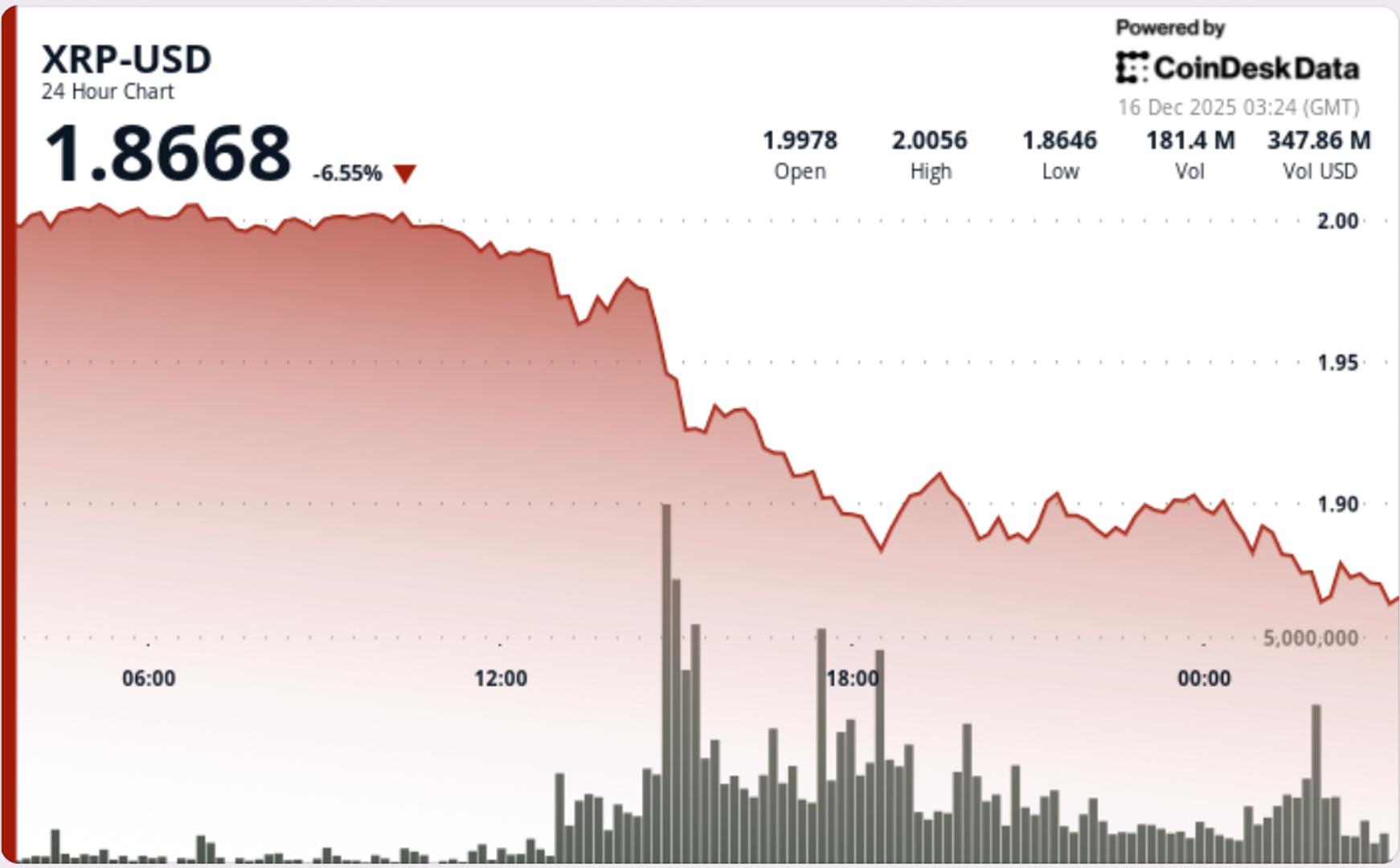
XRP price weakens at critical level, raising risk of deeper pullback

XRP price weakens at critical level, raising risk of deeper pullback

Markets Share Share this article
Copy linkX (Twitter)LinkedInFacebookEmail
XRP price weakens at critical level, raising
Share
Coindesk2025/12/16 11:34
Warsaw Stock Exchange Launches Poland's First Bitcoin ETF

Warsaw Stock Exchange Launches Poland's First Bitcoin ETF

PANews reported on September 19th that according to Cryptobriefing, the Warsaw Stock Exchange has launched Poland's first Bitcoin ETF, marking a significant step forward in the adoption of cryptocurrencies in Eastern Europe. The ETF allows Polish investors to gain exposure to Bitcoin through standard brokerage accounts.
Share
PANews2025/09/19 08:52
Slate Milk Raises $23 Million Series B Round To Bolster Protein Drink’s Rapid Growth

Slate Milk Raises $23 Million Series B Round To Bolster Protein Drink’s Rapid Growth

The post Slate Milk Raises $23 Million Series B Round To Bolster Protein Drink’s Rapid Growth appeared on BitcoinEthereumNews.com. Slate Classic Chocolate milk shake Slate A new slate of functional beverages is about to dominate the ready-to-drink shelf, ushering in a more modern era of easily incorporating more protein in our diets. Today, Slate Milk cofounders Manny Lubin and Josh Belinsky reveal the brand has raised a $23 million Series B funding round. Led by Foundership, a new fund by Yasso frozen greek yogurt cofounders Drew Harrington and Amanda Klane, the money will allow Slate to continue its momentum towards ubiquity as it hits 100,000 points of distribution across 20,000 stores nationwide by the end of 2025. Slate also reveals that it is rolling out several line extensions including a 20 gram protein Strawberry milk at Sprouts Farmers Market, a 30 gram protein Cookies & Cream milk at Target, and a 30 gram protein Salted Caramel flavor at Walmart and Albertsons banner stores. New “Ultra” 42 gram protein options in Chocolate, Vanilla and Salted Caramel will also be available in retailers across the country. “Stores where we may have just had our ready-to-drink lattes, now we’re adding our shakes, and vice versa. We’re adding new partners and executing deeper with our existing partners,” Lubin tells me. The impressive growth is due to Slate’s early entry into the high-protein product space slightly before it caught mainstream attention–ready to execute immediately once consumers craved it most. Slate’s macronutrient ratios are practically unbeatable, largely due to the utilization of ultra-filtered milk. It’s a protein drink that writes a new script about who protein drinks are for. “We’re not sons of dairy farmers. We had no milk history,” Lubin says “We’re just a couple of dudes from the burbs of Boston who like chocolate milk.” Slate cofounder Manny Lubin Slate Another Clean Slate Slate’s brand has evolved significantly in just the past six…
Share
BitcoinEthereumNews2025/09/19 03:08