The post OpenAI Eyes Massive IPO Targeting $1 Trillion Valuation appeared first on Coinpedia Fintech News OpenAI, the company behind ChatGPT, is reportedly preparing for what could become one of the biggest IPOs in history. According to recent reports, the AI powerhouse is planning to go public sometime between late 2026 and 2027, with an ambitious target valuation of $1 trillion. CEO Sam Altman, who interestingly holds no equity in the …The post OpenAI Eyes Massive IPO Targeting $1 Trillion Valuation appeared first on Coinpedia Fintech News OpenAI, the company behind ChatGPT, is reportedly preparing for what could become one of the biggest IPOs in history. According to recent reports, the AI powerhouse is planning to go public sometime between late 2026 and 2027, with an ambitious target valuation of $1 trillion. CEO Sam Altman, who interestingly holds no equity in the …

OpenAI Eyes Massive IPO Targeting $1 Trillion Valuation
2025/10/30 19:28
4 min read
OpenAI IPO

The post OpenAI Eyes Massive IPO Targeting $1 Trillion Valuation appeared first on Coinpedia Fintech News

OpenAI, the company behind ChatGPT, is reportedly preparing for what could become one of the biggest IPOs in history. According to recent reports, the AI powerhouse is planning to go public sometime between late 2026 and 2027, with an ambitious target valuation of $1 trillion.

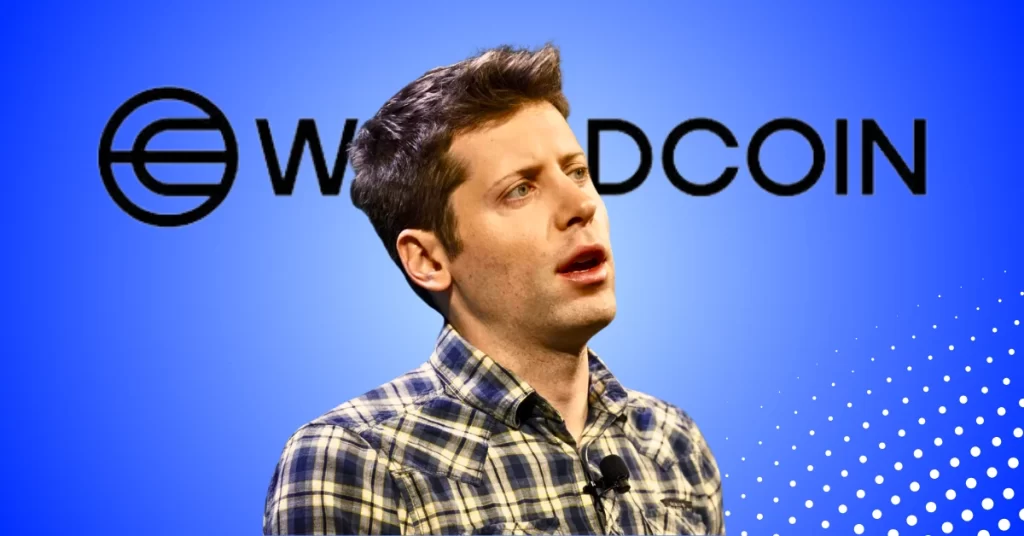
CEO Sam Altman, who interestingly holds no equity in the company, has hinted that taking OpenAI public could be the best way to fund $1.4 trillion worth of AI development over the next five years. The company is expected to file with regulators by late 2026, aiming to raise at least $60 billion, building on its current $500 billion valuation and $8.6 billion in annualized revenue.

If successful, this move would place OpenAI alongside tech titans like Apple, Microsoft, and Nvidia  a remarkable leap for a company that began in 2015 as a small nonprofit focused on creating “safe AI.”

Not in a Rush, But Definitely Preparing

Despite the growing buzz, OpenAI insists it’s not rushing into an IPO. CFO Sarah Friar has reportedly mentioned 2027 as the target date, though insiders say it could happen sooner if market conditions are favorable. For now, the company emphasizes that its main goal is building a sustainable AI business that benefits society, not just chasing profits.

Behind the scenes, however, things are moving quickly. OpenAI recently restructured its corporate framework, reducing its reliance on Microsoft (which owns about 27%) and giving itself more flexibility to raise capital and make acquisitions. This new setup aligns with Altman’s vision of creating a massive, global AI infrastructure, the kind that could reshape the tech industry.

The company’s annual revenue run rate is projected to hit $20 billion by the end of 2025, even though it continues to record some losses as it scales. Backed by major investors like SoftBank, Thrive Capital, and Abu Dhabi’s MGX, OpenAI’s $500 billion valuation could soar even higher if the IPO proceeds as planned.

  • Also Read :
  •   Top Five Altcoins To Buy Now For Big Gains in November
  •   ,

AI Stocks Are Booming

OpenAI’s journey is unique. It started as a nonprofit in 2015 before launching a for-profit arm to fund its large-scale AI ambitions. After its recent restructuring, the OpenAI Foundation now holds roughly 26% ownership, with the potential to gain more if the company hits specific growth milestones.

The IPO buzz comes amid a broader AI market boom. Nvidia recently crossed the $5 trillion market cap, while AI startups like CoreWeave have tripled in valuation after going public. If OpenAI enters the market next, it could mark the next major leap in the ongoing AI gold rush — reshaping both the tech landscape and financial markets.

Valuation or Bubble?

The timing couldn’t be more exciting or more uncertain. AI stocks are sizzling hot, but some analysts warn that the hype may be running ahead of reality.

Analyst Quinten cautions that OpenAI’s $1 trillion valuation, which is nearly 100 times its projected 2025 revenue, could signal the peak of a potential tech bubble. While strong partnerships with Oracle, Nvidia, and AMD lend credibility, he believes the frenzy might push markets to unsustainable levels. In fact, Quinten suggests that if the hype spirals too far, this IPO could even trigger a broader market correction or global recession.

Never Miss a Beat in the Crypto World!

Stay ahead with breaking news, expert analysis, and real-time updates on the latest trends in Bitcoin, altcoins, DeFi, NFTs, and more.

bell icon Subscribe to News

FAQs

When is OpenAI expected to go public?

OpenAI is reportedly planning its IPO between late 2026 and 2027, depending on market conditions and regulatory readiness.

What valuation is OpenAI targeting for its IPO?

OpenAI aims for a $1 trillion valuation, which would make it one of the largest IPOs ever, rivaling tech giants like Apple and Microsoft.

How much money does OpenAI plan to raise through its IPO?

The company is expected to raise at least $60 billion, helping fund its ambitious $1.4 trillion AI infrastructure plan over five years.

Could OpenAI’s IPO trigger a tech bubble or market correction?

Some analysts warn that OpenAI’s sky-high valuation could overheat the AI market, but others see it as a sign of long-term industry growth.

Market Opportunity
null Logo
null Price(null)
--
----
USD
null (null) Live Price Chart
Disclaimer: The articles reposted on this site are sourced from public platforms and are provided for informational purposes only. They do not necessarily reflect the views of MEXC. All rights remain with the original authors. If you believe any content infringes on third-party rights, please contact service@support.mexc.com for removal. MEXC makes no guarantees regarding the accuracy, completeness, or timeliness of the content and is not responsible for any actions taken based on the information provided. The content does not constitute financial, legal, or other professional advice, nor should it be considered a recommendation or endorsement by MEXC.

You May Also Like

Cashing In On University Patents Means Giving Up On Our Innovation Future

Cashing In On University Patents Means Giving Up On Our Innovation Future

The post Cashing In On University Patents Means Giving Up On Our Innovation Future appeared on BitcoinEthereumNews.com. “It’s a raid on American innovation that would deliver pennies to the Treasury while kneecapping the very engine of our economic and medical progress,” writes Pipes. Getty Images Washington is addicted to taxing success. Now, Commerce Secretary Howard Lutnick is floating a plan to skim half the patent earnings from inventions developed at universities with federal funding. It’s being sold as a way to shore up programs like Social Security. In reality, it’s a raid on American innovation that would deliver pennies to the Treasury while kneecapping the very engine of our economic and medical progress. Yes, taxpayer dollars support early-stage research. But the real payoff comes later—in the jobs created, cures discovered, and industries launched when universities and private industry turn those discoveries into real products. By comparison, the sums at stake in patent licensing are trivial. Universities collectively earn only about $3.6 billion annually in patent income—less than the federal government spends on Social Security in a single day. Even confiscating half would barely register against a $6 trillion federal budget. And yet the damage from such a policy would be anything but trivial. The true return on taxpayer investment isn’t in licensing checks sent to Washington, but in the downstream economic activity that federally supported research unleashes. Thanks to the bipartisan Bayh-Dole Act of 1980, universities and private industry have powerful incentives to translate early-stage discoveries into real-world products. Before Bayh-Dole, the government hoarded patents from federally funded research, and fewer than 5% were ever licensed. Once universities could own and license their own inventions, innovation exploded. The result has been one of the best returns on investment in government history. Since 1996, university research has added nearly $2 trillion to U.S. industrial output, supported 6.5 million jobs, and launched more than 19,000 startups. Those companies pay…
Share
BitcoinEthereumNews2025/09/18 03:26
Spur Protocol Daily Quiz 21 February 2026: Claim Free Tokens and Boost Your Crypto Wallet

Spur Protocol Daily Quiz 21 February 2026: Claim Free Tokens and Boost Your Crypto Wallet

Spur Protocol Daily Quiz February 21 2026: Today’s Correct Answer and How to Earn Free In-App Tokens The Spur Protocol Daily Quiz for February 21, 2026, is
Share
Hokanews2026/02/21 17:10
Alex Acosta Tells Congress He Has No ‘Remorse’ For Jeffrey Epstein ‘Sweetheart Deal,’ Lawmaker Says

Alex Acosta Tells Congress He Has No ‘Remorse’ For Jeffrey Epstein ‘Sweetheart Deal,’ Lawmaker Says

The post Alex Acosta Tells Congress He Has No ‘Remorse’ For Jeffrey Epstein ‘Sweetheart Deal,’ Lawmaker Says appeared on BitcoinEthereumNews.com. Topline A central figure in the Jeffrey Epstein sexual abuse saga—former prosecutor Alex Acosta, who granted in 2007 the former financier what’s been widely blasted as a “sweetheart deal” for his alleged crimes—has no regrets about the agreement, a Democratic lawmaker told CNN on Friday, as the former Trump official faces questioning from the House Oversight Committee. Alex Acosta, center, arrives for a House Oversight Committee deposition about Jeffrey Epstein on September 19 in Washington D.C. CQ-Roll Call, Inc via Getty Images Key Facts This story is breaking and will be updated. Source: https://www.forbes.com/sites/alisondurkee/2025/09/19/prosecutor-acosta-who-gave-epstein-sweetheart-deal-testifies-he-no-remorse-lawmaker-says/
Share
BitcoinEthereumNews2025/09/20 06:37