The post Ripple CEO Brad Garlinghouse Predicts the Next 16 Years Will Transform Crypto Utility  appeared first on Coinpedia Fintech News At the recent Future Investment Initiative (FII) event in Riyadh, Saudi Arabia, some of the biggest names in crypto gathered to talk about where the industry is heading. The panel, hosted by Fundstrat’s Tom Lee, included Jeremy Allaire, Saifedean Ammous, Ricardo B. Salinas Pliego, and Ripple CEO Brad Garlinghouse. During the discussion, Garlinghouse sounded confident …The post Ripple CEO Brad Garlinghouse Predicts the Next 16 Years Will Transform Crypto Utility  appeared first on Coinpedia Fintech News At the recent Future Investment Initiative (FII) event in Riyadh, Saudi Arabia, some of the biggest names in crypto gathered to talk about where the industry is heading. The panel, hosted by Fundstrat’s Tom Lee, included Jeremy Allaire, Saifedean Ammous, Ricardo B. Salinas Pliego, and Ripple CEO Brad Garlinghouse. During the discussion, Garlinghouse sounded confident …

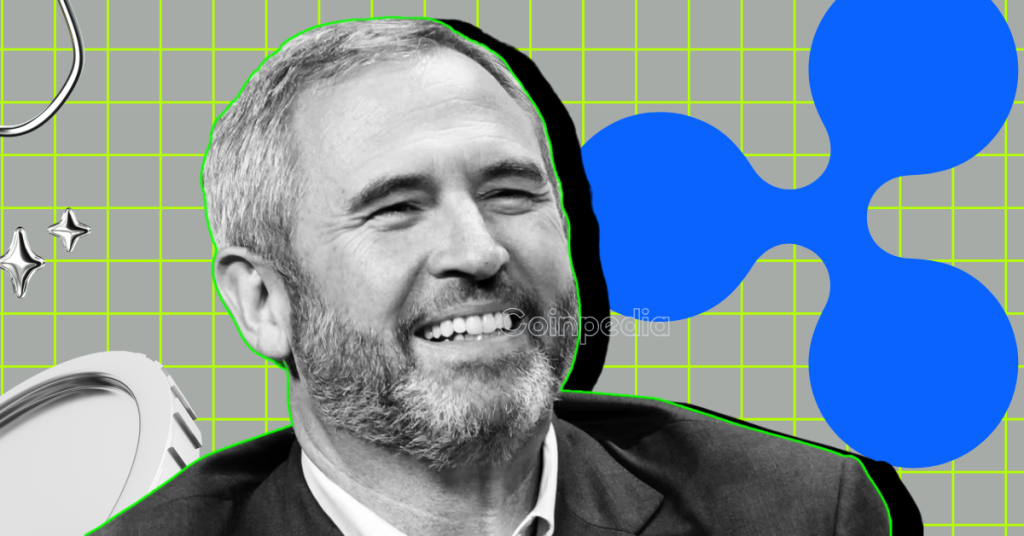
Ripple CEO Brad Garlinghouse Predicts the Next 16 Years Will Transform Crypto Utility
2025/10/30 17:46
3 min read
Ripple CEO Brad Garlinghouse Explains

The post Ripple CEO Brad Garlinghouse Predicts the Next 16 Years Will Transform Crypto Utility  appeared first on Coinpedia Fintech News

At the recent Future Investment Initiative (FII) event in Riyadh, Saudi Arabia, some of the biggest names in crypto gathered to talk about where the industry is heading. The panel, hosted by Fundstrat’s Tom Lee, included Jeremy Allaire, Saifedean Ammous, Ricardo B. Salinas Pliego, and Ripple CEO Brad Garlinghouse.

During the discussion, Garlinghouse sounded confident about the road ahead for digital assets. He said the next sixteen years will likely be even better than the last, as crypto moves past speculation and starts finding real, everyday uses in finance and technology.

Garlinhouse’s Confidence in the Future of Crypto 

During the event held from October 27 to 30, 2025, Brad Garlinghouse and economist Saifedean Ammous exchanged their views on the future of crypto. Ammous argued that there is still no global consensus on how digital assets should evolve.

Garlinghouse agreed, saying crypto remains in its early phase since no single approach or framework dominates the space yet. He highlighted that companies like Circle are beginning to show real-world use cases, especially with stablecoins, marking progress toward practical adoption.

He added that the next sixteen years will be about growth and real utility, as crypto shifts from being mainly about value storage or speculation to powering meaningful, everyday applications.

  • Also Read :
  •   XRP News: Ripple’s RLUSD Breaks Records as Global Firms Bet $11 Billion on XRP
  •   ,

Bitcoin is Digital Gold

Ammous explained that Bitcoin is like digital gold, but better for today’s global economy because crypto is easier to use for payments. Since the world economy relies on moving money fast, across borders, gold physically cannot keep up, and also politically sensitive because gold is centralized. 

He also pointed out that Bitcoin is faster and more practical for moving money globally and directly without needing banks to clear payments. This is why Bitcoin has grown so much more than gold in value in the past sixteen years, and Ammous expects this trend to continue.  

Never Miss a Beat in the Crypto World!

Stay ahead with breaking news, expert analysis, and real-time updates on the latest trends in Bitcoin, altcoins, DeFi, NFTs, and more.

bell icon Subscribe to News

FAQs

What is the future of cryptocurrency?

The next 16 years will focus on real-world utility, moving beyond speculation to power everyday financial and technological applications for practical use.

Is Bitcoin better than gold?

As digital gold, Bitcoin is faster and more practical for global payments than physical gold, making it better suited for today’s digital, borderless economy.

How are stablecoins being used today?

Companies like Circle are demonstrating real-world uses for stablecoins, especially in finance, marking significant progress toward practical, everyday crypto adoption.

Market Opportunity
FUTURECOIN Logo
FUTURECOIN Price(FUTURE)
$0.08059
$0.08059$0.08059
-2.49%
USD
FUTURECOIN (FUTURE) Live Price Chart
Disclaimer: The articles reposted on this site are sourced from public platforms and are provided for informational purposes only. They do not necessarily reflect the views of MEXC. All rights remain with the original authors. If you believe any content infringes on third-party rights, please contact service@support.mexc.com for removal. MEXC makes no guarantees regarding the accuracy, completeness, or timeliness of the content and is not responsible for any actions taken based on the information provided. The content does not constitute financial, legal, or other professional advice, nor should it be considered a recommendation or endorsement by MEXC.

You May Also Like

Cashing In On University Patents Means Giving Up On Our Innovation Future

Cashing In On University Patents Means Giving Up On Our Innovation Future

The post Cashing In On University Patents Means Giving Up On Our Innovation Future appeared on BitcoinEthereumNews.com. “It’s a raid on American innovation that would deliver pennies to the Treasury while kneecapping the very engine of our economic and medical progress,” writes Pipes. Getty Images Washington is addicted to taxing success. Now, Commerce Secretary Howard Lutnick is floating a plan to skim half the patent earnings from inventions developed at universities with federal funding. It’s being sold as a way to shore up programs like Social Security. In reality, it’s a raid on American innovation that would deliver pennies to the Treasury while kneecapping the very engine of our economic and medical progress. Yes, taxpayer dollars support early-stage research. But the real payoff comes later—in the jobs created, cures discovered, and industries launched when universities and private industry turn those discoveries into real products. By comparison, the sums at stake in patent licensing are trivial. Universities collectively earn only about $3.6 billion annually in patent income—less than the federal government spends on Social Security in a single day. Even confiscating half would barely register against a $6 trillion federal budget. And yet the damage from such a policy would be anything but trivial. The true return on taxpayer investment isn’t in licensing checks sent to Washington, but in the downstream economic activity that federally supported research unleashes. Thanks to the bipartisan Bayh-Dole Act of 1980, universities and private industry have powerful incentives to translate early-stage discoveries into real-world products. Before Bayh-Dole, the government hoarded patents from federally funded research, and fewer than 5% were ever licensed. Once universities could own and license their own inventions, innovation exploded. The result has been one of the best returns on investment in government history. Since 1996, university research has added nearly $2 trillion to U.S. industrial output, supported 6.5 million jobs, and launched more than 19,000 startups. Those companies pay…
Share
BitcoinEthereumNews2025/09/18 03:26
Spur Protocol Daily Quiz 21 February 2026: Claim Free Tokens and Boost Your Crypto Wallet

Spur Protocol Daily Quiz 21 February 2026: Claim Free Tokens and Boost Your Crypto Wallet

Spur Protocol Daily Quiz February 21 2026: Today’s Correct Answer and How to Earn Free In-App Tokens The Spur Protocol Daily Quiz for February 21, 2026, is
Share
Hokanews2026/02/21 17:10
Alex Acosta Tells Congress He Has No ‘Remorse’ For Jeffrey Epstein ‘Sweetheart Deal,’ Lawmaker Says

Alex Acosta Tells Congress He Has No ‘Remorse’ For Jeffrey Epstein ‘Sweetheart Deal,’ Lawmaker Says

The post Alex Acosta Tells Congress He Has No ‘Remorse’ For Jeffrey Epstein ‘Sweetheart Deal,’ Lawmaker Says appeared on BitcoinEthereumNews.com. Topline A central figure in the Jeffrey Epstein sexual abuse saga—former prosecutor Alex Acosta, who granted in 2007 the former financier what’s been widely blasted as a “sweetheart deal” for his alleged crimes—has no regrets about the agreement, a Democratic lawmaker told CNN on Friday, as the former Trump official faces questioning from the House Oversight Committee. Alex Acosta, center, arrives for a House Oversight Committee deposition about Jeffrey Epstein on September 19 in Washington D.C. CQ-Roll Call, Inc via Getty Images Key Facts This story is breaking and will be updated. Source: https://www.forbes.com/sites/alisondurkee/2025/09/19/prosecutor-acosta-who-gave-epstein-sweetheart-deal-testifies-he-no-remorse-lawmaker-says/
Share
BitcoinEthereumNews2025/09/20 06:37