Ant Group filed a trademark for AntCoin in Hong Kong, hinting at plans to expand into stablecoins and blockchain-based financial services. The filing comes amid China’s crackdown on private token projects and Hong Kong’s push to attract regulated Web3 ventures. Ant Group, the Alibaba-affiliated fintech firm behind Alipay, has filed a trademark application for “AntCoin” [...]]]>Ant Group filed a trademark for AntCoin in Hong Kong, hinting at plans to expand into stablecoins and blockchain-based financial services. The filing comes amid China’s crackdown on private token projects and Hong Kong’s push to attract regulated Web3 ventures. Ant Group, the Alibaba-affiliated fintech firm behind Alipay, has filed a trademark application for “AntCoin” [...]]]>

Ant Group Files ‘AntCoin’ Amid Hong Kong’s New Stablecoin Licensing Push

  • Ant Group filed a trademark for AntCoin in Hong Kong, hinting at plans to expand into stablecoins and blockchain-based financial services.
  • The filing comes amid China’s crackdown on private token projects and Hong Kong’s push to attract regulated Web3 ventures.

Ant Group, the Alibaba-affiliated fintech firm behind Alipay, has filed a trademark application for “AntCoin” in Hong Kong, indicating a potential move into blockchain-based financial services. The filing, submitted in June 2025, spans a wide range of activities, including stablecoin issuance, digital asset custody, lending, and foreign exchange operations.

The timing of the application coincides with the attendance of Ant Group Chairman Eric Jing at the upcoming Hong Kong FinTech Week, where he will join other top financial figures, including Hong Kong’s Financial Services Secretary, Christopher Hui, and Primavera Capital’s Fred Hu. 

The AntCoin filing emphasizes Ant Group’s intention to bridge traditional and digital finance, potentially linking the existing Alipay network with blockchain-based payment systems. It also reinforces the company’s interest in Hong Kong’s new stablecoin licensing regime introduced in August 2025, which aims to bring regulatory clarity to fiat-backed digital currencies.

Regulatory Divide Between Hong Kong and Beijing

Ant Group’s recent action comes amid China’s crackdown on private digital currency projects. In early October, the People’s Bank of China and the Cyberspace Administration of China ordered Ant Group and JD.com to shut down their stablecoin programs in Hong Kong. The decision reflected Beijing’s efforts to safeguard monetary sovereignty and avert competition with the digital yuan (e-CNY).

While mainland regulators clamped down, Hong Kong continued advancing its pro-crypto agenda. The Hong Kong Monetary Authority (HKMA) has adopted stablecoin pilots and exchange licensing, making the city a testing ground for regulated digital finance within China. 

Analysts suggest that the AntCoin trademark could serve as a long-term placeholder, allowing Ant Group to retain naming rights as regulatory conditions evolve. Although the filing does not guarantee the launch of a stablecoin, it positions the company strategically should the market and rules align.

Ant Group’s Blockchain Evolution and Global Expansion

Ant Group has spent nearly a decade building its blockchain capabilities. Its AntChain platform, launched in 2016, supports enterprise applications in cross-border trade and supply chain finance. By 2025, the network had tokenized over $8.4 billion in renewable energy assets, supporting infrastructure for millions of users across Asia.

In 2023, Ant expanded into real-world asset tokenization with its ZAN suite, enabling financial institutions to issue and manage tokenized assets. The company also tested digital collectibles through Alipay, avoiding direct exposure to cryptocurrencies while promoting blockchain adoption at scale. Reports from June 2025, as cited by Bloomberg, indicated that Ant International sought stablecoin licenses in Singapore, Hong Kong, and Luxembourg. 

Beyond trademarks, Ant Group has launched several consumer-facing blockchain platforms. One notable example is Topnod, a digital art marketplace where 4,088 blockchain-certified artworks, priced between 8 and 28 yuan, sold out within three hours of their launch in August.

The company’s long-standing blockchain initiative, AntChain, continues to anchor its enterprise efforts, supporting cross-border trade and tokenization of real-world assets. As of 2025, AntChain has processed over $8.4 billion in tokenized renewable energy assets across Asia.

Chainalysis data further illustrates the scale of the issue, reporting more than $40 billion in illicit stablecoin transactions since 2022. Despite emerging legislative efforts, such as the GENIUS and CLARITY Acts, systemic vulnerabilities continue to threaten the reliability of stablecoins at scale.

]]>
Market Opportunity
ANTTIME Logo
ANTTIME Price(ANT)
$0.00031352
$0.00031352$0.00031352
+0.52%
USD
ANTTIME (ANT) Live Price Chart
Disclaimer: The articles reposted on this site are sourced from public platforms and are provided for informational purposes only. They do not necessarily reflect the views of MEXC. All rights remain with the original authors. If you believe any content infringes on third-party rights, please contact service@support.mexc.com for removal. MEXC makes no guarantees regarding the accuracy, completeness, or timeliness of the content and is not responsible for any actions taken based on the information provided. The content does not constitute financial, legal, or other professional advice, nor should it be considered a recommendation or endorsement by MEXC.

You May Also Like

Disney (DIS) Stock Takes Hit as Kimmel Controversy Rocks ABC Network

Disney (DIS) Stock Takes Hit as Kimmel Controversy Rocks ABC Network

TLDR Disney stock dropped 1.9% over the week, closing at $113.76 down from $115.96 high ABC suspended Jimmy Kimmel’s show after controversial remarks, sparking immediate market reaction Streaming segment turned profitable with ESPN partnerships driving growth Traditional TV division continues facing subscriber decline challenges Analysts maintain positive outlook with $5.85 EPS guidance for full year [...] The post Disney (DIS) Stock Takes Hit as Kimmel Controversy Rocks ABC Network appeared first on CoinCentral.
Share
Coincentral2025/09/21 22:09
Crypto in Drug Cases: South Korea Deploys Elite Unit to Combat Illicit Trade
Crypto in Drug Cases: South Korea Deploys Elite Unit to Combat Illicit Trade

BitcoinWorld Crypto in Drug Cases: South Korea Deploys Elite Unit to Combat Illicit Trade The digital age has brought remarkable innovations, but it has also presented new challenges for law enforcement worldwide. One significant concern is the alarming rise of crypto in drug cases, transforming how illicit transactions occur globally. South Korea, a nation at the forefront of technological adoption, is now taking decisive action to combat this growing threat, signaling a crucial shift in its approach to digital crime. Why the Surge in Crypto in Drug Cases? Why are criminals increasingly turning to virtual assets for drug deals? The answer lies in several factors that make cryptocurrencies an attractive, albeit deceptive, tool for illicit activities. These digital currencies offer perceived advantages that traditional payment methods often lack, making them a preferred choice for illegal transactions. Perceived Anonymity: While not truly anonymous, cryptocurrencies offer a layer of pseudonymity that can complicate tracing transactions for the untrained eye. Global Reach: Digital currencies enable cross-border payments with relative ease and speed, significantly facilitating international drug trafficking networks. Speed and Efficiency: Transactions can be processed quickly, often bypassing traditional banking hurdles and regulatory oversight, which is appealing to criminals. This shift has led to a noticeable surge in drug offenses, particularly among younger demographics, from teenagers to individuals in their thirties. The ease of online procurement, coupled with the perceived security of crypto payments, creates a complex landscape for authorities striving to curb the proliferation of crypto in drug cases. South Korea’s Dedicated Response: An Elite Virtual Asset Team In response to this escalating crisis, South Korean police are making a significant strategic move. They will be assigning all 41 of their newly recruited narcotics investigators for the latter half of the year to a specialized virtual asset team. This dedicated unit signifies a robust commitment to addressing the sophisticated nature of crimes involving crypto in drug cases. It’s a clear signal that traditional investigative methods alone are no longer sufficient to tackle the intricacies of digital financial crime. This proactive step underscores the gravity of the situation and the necessity for specialized expertise. By concentrating resources and talent, South Korean law enforcement aims to develop a cutting-edge capability to navigate the complex world of virtual assets and their misuse in criminal enterprises. How Will This Elite Unit Tackle Crypto in Drug Cases? What exactly will these 41 specialists do? Their mandate is comprehensive and multi-faceted, focusing on disrupting the entire financial flow of drug-related crimes. Their efforts will extend beyond simple arrests, targeting the very infrastructure that enables these illicit operations. Tracking Illicit Virtual Assets: The team will employ advanced forensic tools and techniques to follow the digital breadcrumbs left by cryptocurrency transactions, no matter how obscured. Cracking Down and Confiscating: Beyond tracking, their goal is to actively seize and confiscate illicit virtual assets, effectively cutting off funding for criminal enterprises and recovering proceeds for the state. Investigating Payment Gateway Operators: Many online drug deals rely on specific payment services that facilitate crypto transactions. The unit will target these operators to dismantle the infrastructure supporting illegal trade. Combating Money Laundering: A crucial part of their work will involve investigating organizations that launder criminal proceeds, aiming to block funds and recover assets for the state. This proactive approach aims not only to apprehend offenders but also to cripple the financial networks that enable the proliferation of crypto in drug cases, making it harder for criminals to profit from their illegal activities. Broader Implications and the Road Ahead This initiative by South Korean police holds significant implications, not just for domestic law enforcement but potentially as a model for international cooperation in combating digital crime. By developing specialized expertise in virtual asset forensics, South Korea is positioning itself to effectively combat modern illicit trade. The recovery of criminal proceeds is vital, not only for justice but also to deter future illicit activities by making crime less profitable. This specialized team represents a critical investment in the future of digital security and public safety. It ensures that the benefits of technological advancement are not overshadowed by its misuse in criminal endeavors, particularly concerning drug trafficking and its impact on younger generations. The deployment of South Korea’s elite virtual asset team is a testament to the evolving landscape of crime and law enforcement. As crypto in drug cases continues to pose a significant challenge, specialized units like this are essential to protect communities, especially younger generations, from the devastating impact of drug trafficking. It’s a proactive, informed, and necessary step towards a safer digital future where accountability extends into the virtual realm. Frequently Asked Questions (FAQs) 1. What is the main reason South Korean police are deploying this new team? South Korean police are deploying this new team primarily in response to a significant surge in the use of cryptocurrency as the primary payment method for online drug deals and a rise in drug offenses among people in their 10s to 30s. 2. How many new officers are being assigned to the virtual asset team? All 41 of the new narcotics investigators recruited for the second half of the year will be assigned to this dedicated virtual asset team. 3. What specific tasks will the new virtual asset team undertake? The team’s mandate includes tracking, cracking down on, and confiscating illicit virtual assets. They will also investigate illegal payment gateway operators and money laundering organizations to block fund flow and recover criminal proceeds. 4. Why are criminals increasingly using cryptocurrency for drug deals? Criminals use cryptocurrency due to its perceived anonymity, global reach for easy cross-border payments, and the speed and efficiency of transactions, which can bypass traditional banking hurdles. 5. What is the broader goal of this initiative beyond just arresting individuals? The broader goal is to cripple the financial networks that enable drug trafficking, recover criminal proceeds, and dismantle the infrastructure supporting illicit virtual asset transactions, thereby deterring future criminal activities. Found this article insightful? Share it with your network to spread awareness about the global efforts to combat crypto in drug cases and the evolving strategies in digital law enforcement. Your shares help inform others and highlight the importance of these initiatives. To learn more about the latest cryptocurrency regulations and their impact, explore our article on key developments shaping digital asset security and law enforcement efforts. This post Crypto in Drug Cases: South Korea Deploys Elite Unit to Combat Illicit Trade first appeared on BitcoinWorld.
Share
Coinstats2025/09/22 14:45
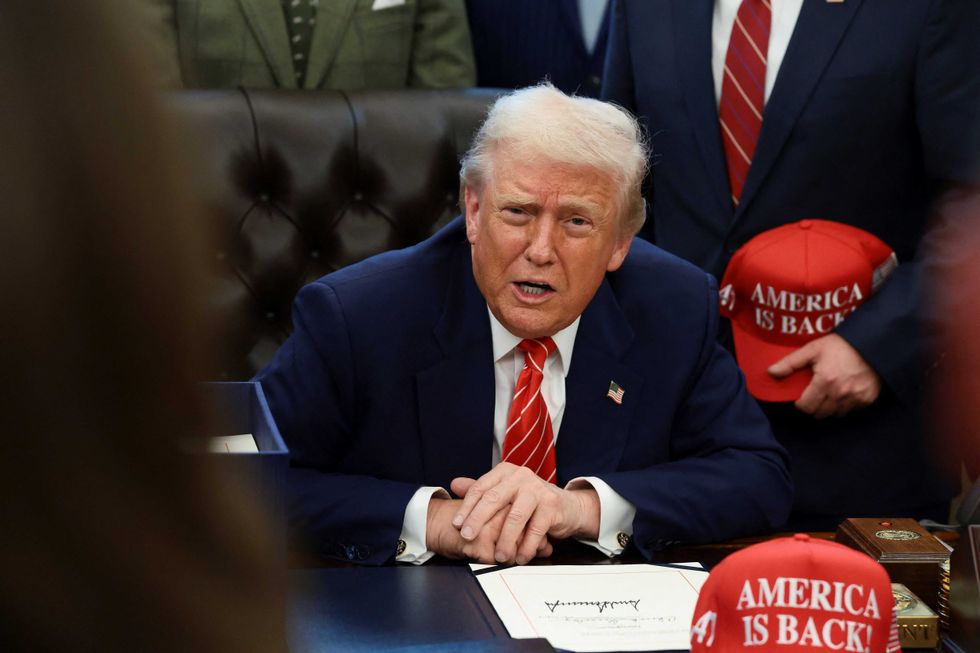
Trump's grasp on GOP slips as nervous Republicans privately take on White House: report

Trump's grasp on GOP slips as nervous Republicans privately take on White House: report

White House insiders said this week that President Donald Trump and his closest allies are in turmoil trying to keep House Republicans from jumping ship — and it
Share
Rawstory2026/02/14 10:55