Solana Mobile, the phone-making subsidiary of Solana Labs, confirmed the end of software updates for the Saga phone, marking the close of its lifecycle on October 20, 2025. Launched in April 2023, the Android device, which sold for $1,000, introduced Web3 features like Seed Vault for secure key storage. The decision came through a message on Discord. This move implies that there will be no more updates or security fixes for Saga users, exposing them to potential risks. A Quiet Sunset for Saga Phone Initially, sales for the Saga phone started slowly, with only 2,500 units sold. However, a BONK token airdrop in late 2023 changed that. The value of the airdrop was greater than the phone’s price, causing resales to reach $5,000 and allowing 20,000 units to sell by early 2024. Additional rewards, like SHDW mining, also made the Saga popular among Solana fans and developers testing decentralized applications (dApps). Now, the company is focusing on the Seeker phone, which received over 130,000 pre-orders worldwide. Meanwhile, while support for it ends, Saga’s dApp Store will still function, but might face compatibility issues without updates. Although hardware repairs and customer support through Zendesk are still available, Solana Mobile’s focus has, however, shifted to the Seeker device. A Shift to the Seeker Device Saga users are beginning to embrace the reality of the shift to the Seeker device, with some already experiencing its impact. Solana Mobile launched the Seeker phone in August 2024, which is why it stopped supporting the Saga. The Seeker costs between $450 and $500 and offers better hardware, increased security, and support for multiple chains, unlike the Saga, which only supports Solana. Shipping for the device commenced earlier in August. This comes around a year after thousands have preordered the crypto-centric mobile device. Solana Mobile, the tech firm behind the mobile device, has announced several new features for the Seeker phone. Features like preloaded SOL for quick transactions are designed to attract more users, and early feedback has been positive about the interface’s ease of use and smooth wallet integration. However, while Saga owners have limited choices—either keep using their unsupported device or switch to the Seeker—users who have acquired the Seeker may wonder if the same fate as that of the Saga awaits them after a two-year support period. The post Did Solana Mobile Quietly End Support for Saga? Here’s What We Know appeared first on CoinTab News.Solana Mobile, the phone-making subsidiary of Solana Labs, confirmed the end of software updates for the Saga phone, marking the close of its lifecycle on October 20, 2025. Launched in April 2023, the Android device, which sold for $1,000, introduced Web3 features like Seed Vault for secure key storage. The decision came through a message on Discord. This move implies that there will be no more updates or security fixes for Saga users, exposing them to potential risks. A Quiet Sunset for Saga Phone Initially, sales for the Saga phone started slowly, with only 2,500 units sold. However, a BONK token airdrop in late 2023 changed that. The value of the airdrop was greater than the phone’s price, causing resales to reach $5,000 and allowing 20,000 units to sell by early 2024. Additional rewards, like SHDW mining, also made the Saga popular among Solana fans and developers testing decentralized applications (dApps). Now, the company is focusing on the Seeker phone, which received over 130,000 pre-orders worldwide. Meanwhile, while support for it ends, Saga’s dApp Store will still function, but might face compatibility issues without updates. Although hardware repairs and customer support through Zendesk are still available, Solana Mobile’s focus has, however, shifted to the Seeker device. A Shift to the Seeker Device Saga users are beginning to embrace the reality of the shift to the Seeker device, with some already experiencing its impact. Solana Mobile launched the Seeker phone in August 2024, which is why it stopped supporting the Saga. The Seeker costs between $450 and $500 and offers better hardware, increased security, and support for multiple chains, unlike the Saga, which only supports Solana. Shipping for the device commenced earlier in August. This comes around a year after thousands have preordered the crypto-centric mobile device. Solana Mobile, the tech firm behind the mobile device, has announced several new features for the Seeker phone. Features like preloaded SOL for quick transactions are designed to attract more users, and early feedback has been positive about the interface’s ease of use and smooth wallet integration. However, while Saga owners have limited choices—either keep using their unsupported device or switch to the Seeker—users who have acquired the Seeker may wonder if the same fate as that of the Saga awaits them after a two-year support period. The post Did Solana Mobile Quietly End Support for Saga? Here’s What We Know appeared first on CoinTab News.

Did Solana Mobile Quietly End Support for Saga? Here’s What We Know
3 min read

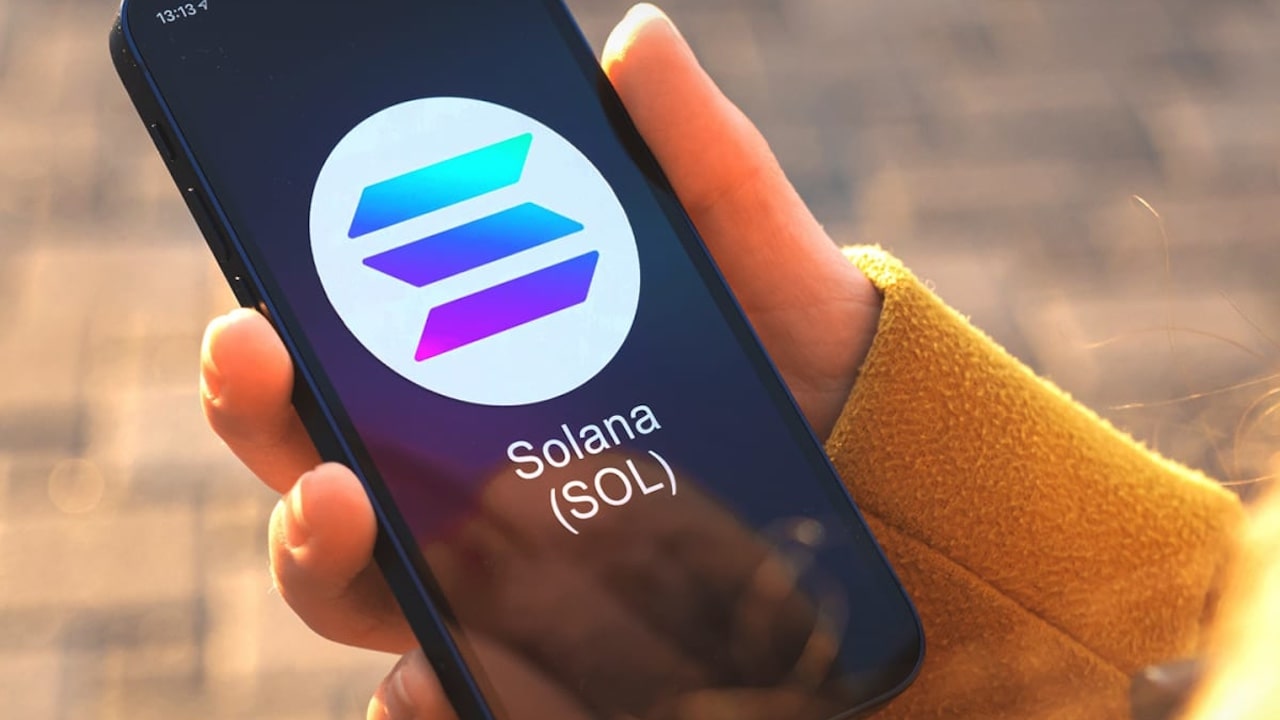
Solana Mobile, the phone-making subsidiary of Solana Labs, confirmed the end of software updates for the Saga phone, marking the close of its lifecycle on October 20, 2025. Launched in April 2023, the Android device, which sold for $1,000, introduced Web3 features like Seed Vault for secure key storage.

The decision came through a message on Discord. This move implies that there will be no more updates or security fixes for Saga users, exposing them to potential risks.

A Quiet Sunset for Saga Phone

Initially, sales for the Saga phone started slowly, with only 2,500 units sold. However, a BONK token airdrop in late 2023 changed that. The value of the airdrop was greater than the phone’s price, causing resales to reach $5,000 and allowing 20,000 units to sell by early 2024.

Additional rewards, like SHDW mining, also made the Saga popular among Solana fans and developers testing decentralized applications (dApps). Now, the company is focusing on the Seeker phone, which received over 130,000 pre-orders worldwide.

Meanwhile, while support for it ends, Saga’s dApp Store will still function, but might face compatibility issues without updates. Although hardware repairs and customer support through Zendesk are still available, Solana Mobile’s focus has, however, shifted to the Seeker device.

A Shift to the Seeker Device

Saga users are beginning to embrace the reality of the shift to the Seeker device, with some already experiencing its impact. Solana Mobile launched the Seeker phone in August 2024, which is why it stopped supporting the Saga. The Seeker costs between $450 and $500 and offers better hardware, increased security, and support for multiple chains, unlike the Saga, which only supports Solana.

Shipping for the device commenced earlier in August. This comes around a year after thousands have preordered the crypto-centric mobile device. Solana Mobile, the tech firm behind the mobile device, has announced several new features for the Seeker phone. Features like preloaded SOL for quick transactions are designed to attract more users, and early feedback has been positive about the interface’s ease of use and smooth wallet integration.

However, while Saga owners have limited choices—either keep using their unsupported device or switch to the Seeker—users who have acquired the Seeker may wonder if the same fate as that of the Saga awaits them after a two-year support period.

The post Did Solana Mobile Quietly End Support for Saga? Here’s What We Know appeared first on CoinTab News.

Market Opportunity
Helium Mobile Logo
Helium Mobile Price(MOBILE)
$0.0001176
$0.0001176$0.0001176
+0.42%
USD
Helium Mobile (MOBILE) Live Price Chart
Disclaimer: The articles reposted on this site are sourced from public platforms and are provided for informational purposes only. They do not necessarily reflect the views of MEXC. All rights remain with the original authors. If you believe any content infringes on third-party rights, please contact service@support.mexc.com for removal. MEXC makes no guarantees regarding the accuracy, completeness, or timeliness of the content and is not responsible for any actions taken based on the information provided. The content does not constitute financial, legal, or other professional advice, nor should it be considered a recommendation or endorsement by MEXC.

You May Also Like

UBS CEO Targets Direct Crypto Access With “Fast Follower” Tokenization Strategy
UBS CEO Targets Direct Crypto Access With “Fast Follower” Tokenization Strategy

The tension in UBS’s latest strategy update is not between profit and innovation, but between speed and control. On February 4, 2026, as the bank reported a record
Share
Ethnews2026/02/05 04:56
When Will Altcoin Season Start? FED Rate Cut Fuels Bitcoin, but Ethereum Still Lagging

When Will Altcoin Season Start? FED Rate Cut Fuels Bitcoin, but Ethereum Still Lagging

The post When Will Altcoin Season Start? FED Rate Cut Fuels Bitcoin, but Ethereum Still Lagging appeared first on Coinpedia Fintech News The crypto market edged higher today after the U.S. Federal Reserve announced a 25 basis point rate cut, fueling optimism across risk assets. Bitcoin price today is trading around $117,000, while Ethereum holds steady near $4,600. The broader crypto market cap rose modestly, with major altcoins mixed but stable. Analysts note the short-term tone is …
Share
CoinPedia2025/09/18 14:59
Cryptos Signal Divergence Ahead of Fed Rate Decision

Cryptos Signal Divergence Ahead of Fed Rate Decision

The post Cryptos Signal Divergence Ahead of Fed Rate Decision appeared on BitcoinEthereumNews.com. Crypto assets send conflicting signals ahead of the Federal Reserve’s September rate decision. On-chain data reveals a clear decrease in Bitcoin and Ethereum flowing into centralized exchanges, but a sharp increase in altcoin inflows. The findings come from a Tuesday report by CryptoQuant, an on-chain data platform. The firm’s data shows a stark divergence in coin volume, which has been observed in movements onto centralized exchanges over the past few weeks. Bitcoin and Ethereum Inflows Drop to Multi-Month Lows Sponsored Sponsored Bitcoin has seen a dramatic drop in exchange inflows, with the 7-day moving average plummeting to 25,000 BTC, its lowest level in over a year. The average deposit per transaction has fallen to 0.57 BTC as of September. This suggests that smaller retail investors, rather than large-scale whales, are responsible for the recent cash-outs. Ethereum is showing a similar trend, with its daily exchange inflows decreasing to a two-month low. CryptoQuant reported that the 7-day moving average for ETH deposits on exchanges is around 783,000 ETH, the lowest in two months. Other Altcoins See Renewed Selling Pressure In contrast, other altcoin deposit activity on exchanges has surged. The number of altcoin deposit transactions on centralized exchanges was quite steady in May and June of this year, maintaining a 7-day moving average of about 20,000 to 30,000. Recently, however, that figure has jumped to 55,000 transactions. Altcoins: Exchange Inflow Transaction Count. Source: CryptoQuant CryptoQuant projects that altcoins, given their increased inflow activity, could face relatively higher selling pressure compared to BTC and ETH. Meanwhile, the balance of stablecoins on exchanges—a key indicator of potential buying pressure—has increased significantly. The report notes that the exchange USDT balance, around $273 million in April, grew to $379 million by August 31, marking a new yearly high. CryptoQuant interprets this surge as a reflection of…
Share
BitcoinEthereumNews2025/09/18 01:01