

Dollar Weakens as Oil Prices Decline; Fed Minutes Seen as Less Hawkish
BitcoinWorld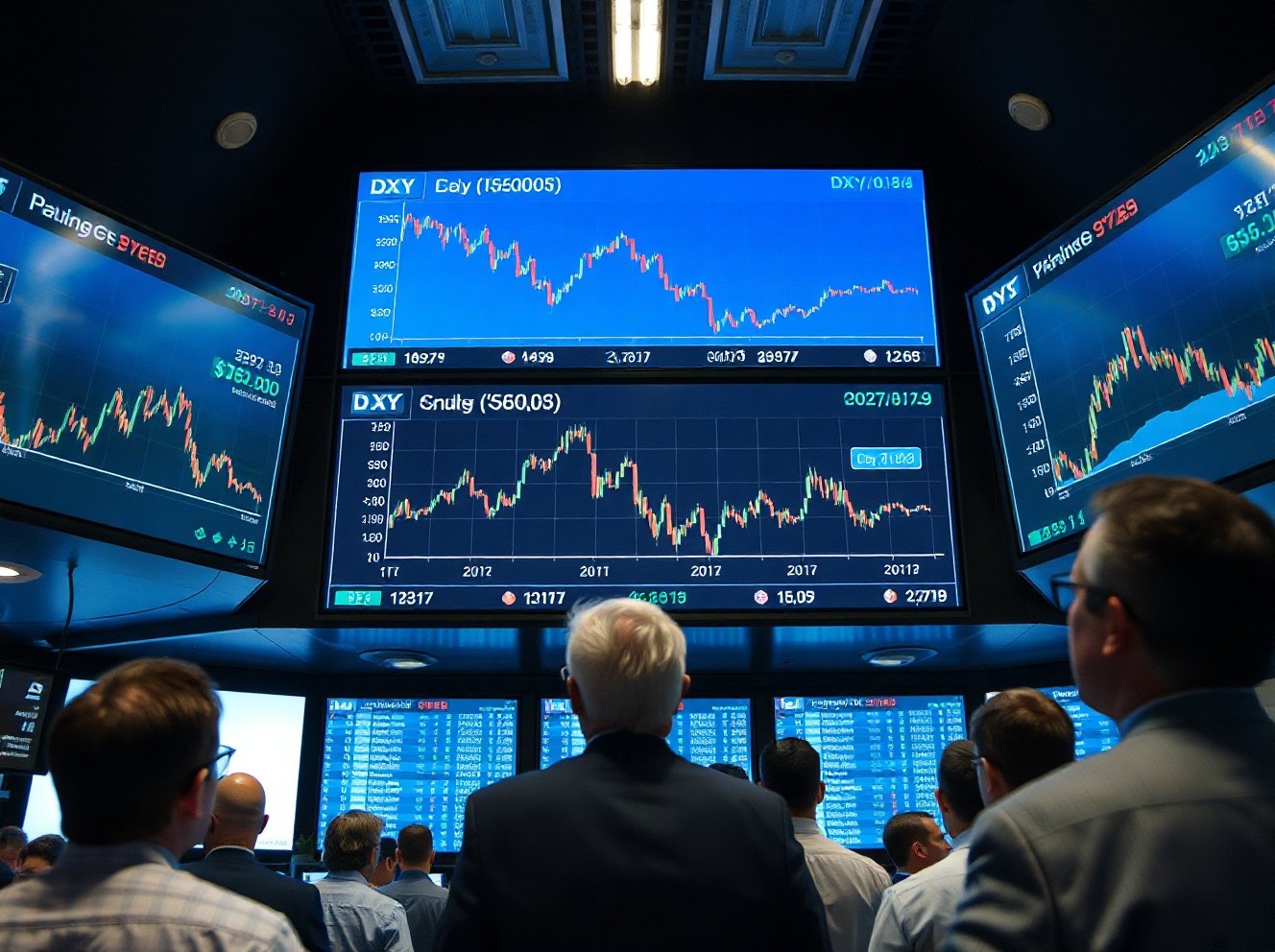
Dollar Weakens as Oil Prices Decline; Fed Minutes Seen as Less Hawkish
The U.S. dollar edged lower against a basket of major currencies on Wednesday, as a decline in crude oil prices and a slightly less hawkish-than-expected set of minutes from the Federal Reserve’s latest policy meeting prompted traders to reassess their positions.
Market Reaction to Fed Minutes
The Federal Reserve released the minutes from its December 17-18 meeting, which showed that policymakers acknowledged the economy was on a solid footing but expressed caution about the pace of future interest rate cuts. While the tone remained broadly cautious, markets had priced in an even more aggressive stance, leading to a relief rally in risk assets and a corresponding sell-off in the safe-haven dollar.
According to the minutes, many participants noted that the decision to hold rates steady at the December meeting was supported by a desire to see further progress on inflation before committing to additional easing. However, the language was not as forceful as some analysts had anticipated, which contributed to the dollar’s retreat.
Oil Prices Weigh on the Dollar
Adding to the downward pressure on the greenback was a sharp decline in crude oil prices. West Texas Intermediate (WTI) crude fell by more than 2% on the day, driven by a surprise build in U.S. inventories and concerns about slowing global demand, particularly from China. Lower oil prices tend to reduce demand for dollars, as many commodity transactions are priced in the U.S. currency.
The drop in oil also dampened inflation expectations, further reducing the perceived urgency for the Fed to maintain a restrictive policy stance. This dynamic supported the view that the dollar could face additional headwinds in the near term.
Implications for Traders and Investors
For currency traders, the combination of a less hawkish Fed and falling oil prices creates a complex environment. The dollar’s decline could provide a tailwind for emerging market currencies and commodities, but the sustainability of this move will depend on upcoming economic data, particularly U.S. employment and inflation figures.
Investors should also watch for any shifts in the Fed’s forward guidance, as the minutes are a lagging indicator. The next policy decision is scheduled for late January, and market participants will be closely scrutinizing Chair Jerome Powell’s press conference for clues about the rate path ahead.
Conclusion
Wednesday’s market action reflects a recalibration of expectations following the Fed minutes, with the dollar giving up some of its recent gains. The interplay between central bank policy and commodity prices remains a key driver for currency markets, and traders should remain vigilant as new data points emerge. The near-term outlook for the dollar appears balanced, with risks tilted to the downside if oil prices continue to fall or if the Fed signals a more dovish stance.
FAQs
Q1: Why did the dollar slip after the Fed minutes?
The minutes were seen as less hawkish than some market participants had expected, leading to a reduction in safe-haven demand for the dollar. Traders had priced in a more aggressive tone, so the actual language triggered a relief rally in risk assets and a dollar sell-off.
Q2: How do falling oil prices affect the U.S. dollar?
Lower oil prices can reduce demand for dollars because many global commodity transactions are denominated in USD. Additionally, falling oil can dampen inflation expectations, which may reduce the perceived need for the Fed to maintain high interest rates, further weakening the currency.
Q3: What should investors watch next?
Key upcoming data points include U.S. non-farm payrolls, consumer price index (CPI) reports, and any comments from Fed officials. The next FOMC meeting in late January will be critical for confirming or reversing the current market sentiment.
This post Dollar Weakens as Oil Prices Decline; Fed Minutes Seen as Less Hawkish first appeared on BitcoinWorld.


You May Also Like

Bitcoin treasury sell-off accelerates as Riot, Bhutan, and public companies exit positions

MACC remands 33, including 10 enforcement officers, over visa bribery syndicate

Pi App Studio Backend Update Unlocks New Possibilities for Pi Network



