

Global PC shipments fall to 68.2 million units in Q2’26, first drop in over 2 years
Global PC (personal computer) shipments fell 4.9% year-on-year to 68.2 million units in Q2 2026, driven by continued memory chip scarcity. The drop is the first in 27 months, or nine consecutive quarters.
According to the quarterly report by the International Data Corporation (IDC), memory supply shortages were the primary factor in the PC shipment market. Others are geopolitical tensions that escalated beyond the first quarter of 2026 and shortages in other components that continue to place huge pressure on the global PC market’s growth.
With the forces of expectations of a price hike and macroeconomic conditions, vendors are being forced to deliver their inventories earlier than planned.
However, the price hike and continued projection of more increases are to vendors’ benefit. While shipments are falling and prices are jumping, revenue is climbing. Jitesh Ubrani, research director for consumer devices at IDC, tagged this as a disconnect between units and dollars.
“Shipments are falling, but revenue is climbing because vendors are pushing through price increases faster than demand is dropping,” he said in the report.
 Laptop
On a broader scale, the drop in global PC shipments revealed a behavioural shift in the trend under study. Consumers traditionally replace their PCs every few years by selling older devices and upgrading to newer models. However, the price hike is expected to slow that trend.
Another consequence is the widening gap between large and small PC vendors. While top brands such as Apple, Dell, and Lenovo use their resources to scale high across adjacent business lines, such as smartphones and servers, to secure memory supply, smaller vendors might get pushed out.
Reacting to the extension in the competition gap, Jean Philippe Bouchard, vice president for consumer devices at IDC, said the largest vendors, with their buying power and long-standing supplier ties, are best positioned to take share from smaller rivals.
“As market conditions continue to worsen, the importance of supply chain management and capabilities is increasingly important,” he added.
Also Read: Lenovo tops as global PC shipments grew by 9.6% to 76.4 million units in Q4’25.
Lenovo maintains lead despite drop in PC shipment
Chinese-based tech company Lenovo leads the chart for Q2’26 with 16.6 million units of PC shipments during the quarter, a 2.1% decrease from 17 million units in Q2 2025. U.S.-based HP Inc followed with 13 million units, with a 9% YoY decrease, while Dell Technologies saw 9.3 million units during the quarter.
Apple and ASUS are in the fourth and fifth spots with 6.7 million units and 5 million units of PC shipments, respectively.
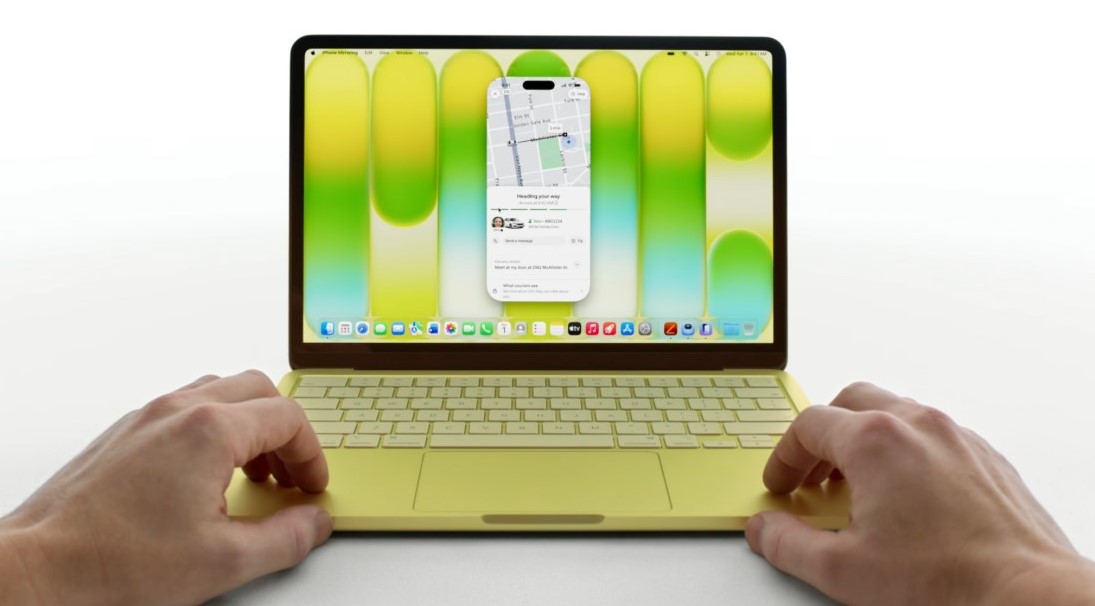 Apple’s MacBook Neo
Of the top 5, only Apple recorded a 10.1% growth in shipments, largely attributed to continued demand for Mac models and the launch of MacBook Neo.
“Apple’s share gain coincided with its latest product launch, the MacBook Neo, and while the company did raise prices in line with the broader market, it still remains well positioned against rivals facing the same cost pressures,” said Jean.
In terms of market share, Lenovo held the highest market share at 24.4%, HP Inc. with 19.1%, and Dell Technologies with 13.6%. Apple and ASUS saw market shares of 9.9% and 7.4%, respectively, while other manufacturers held 25.7%.
| Top 5 Companies, Worldwide Traditional PC Shipments, Market Share, and Year-Over-Year Growth, Q2 2026 (Preliminary results, shipments are in millions of units) | |||||
| Company | 2Q26 Shipments | 2Q26 Market Share | 2Q25 Shipments | 2Q25 Market Share | 2Q26/2Q25 Growth |
| 1. Lenovo | 16.6 | 24.4% | 17.0 | 23.7% | -2.1% |
| 2. HP Inc | 13.0 | 19.1% | 14.3 | 19.9% | -9.0% |
| 3. Dell Technologies | 9.3 | 13.6% | 9.8 | 13.6% | -5.0% |
| 4. Apple | 6.7 | 9.9% | 6.1 | 8.5% | 10.1% |
| 5. ASUS | 5.0 | 7.4% | 5.0 | 7.0% | 0.2% |
| Others | 17.5 | 25.7% | 19.6 | 27.3% | -10.5% |
| Total | 68.2 | 100.0% | 71.7 | 100.0% | -4.9% |
| Source: IDC Quarterly Personal Computing Device Tracker, July 8, 2026 | |||||
On projection, the worsening macro conditions and memory shortage are expected to continue in 2028, resulting in a sharp slowdown forecast in growth rate in H2 2026. Also, memory chips are expected to rise further, increasing PC prices.


You May Also Like

Sony Bank Receives Conditional U.S. Approval to Establish Trust Bank, Signaling

U.S. Financial Conditions Reach Easiest Level Since Before Iran Conflict

China Weighs New Restrictions on Foreign Access to Advanced AI Models



