

Serving court orders on banks not libel, appeals court rules
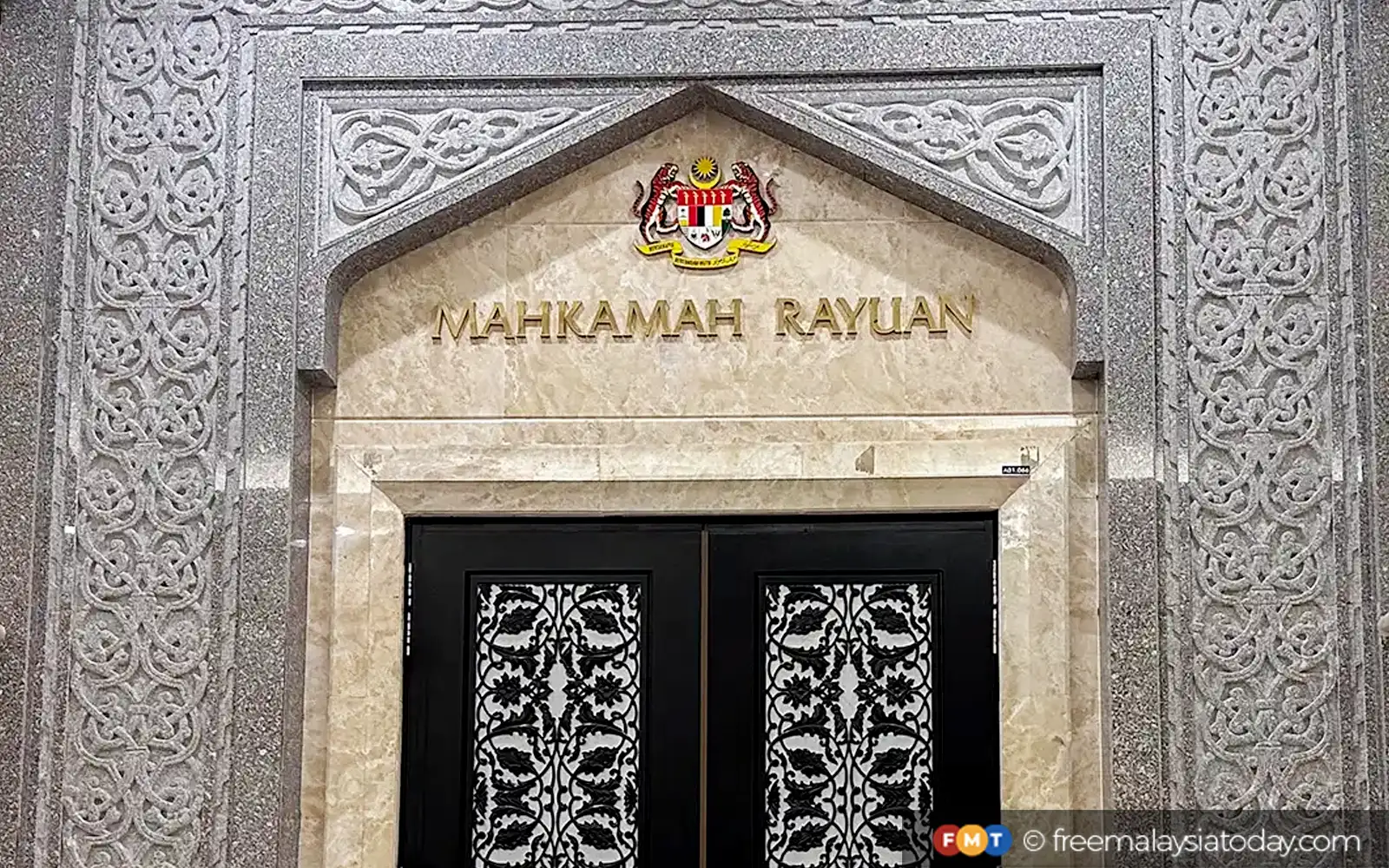 The Court of Appeal reminded litigants that a court order against a defendant or respondent which is served on a third party, cannot, in itself, amount to a libel of the defendant or respondent.
PUTRAJAYA: A person cannot sue for libel over the enforcement of a valid court order served on banks or other third parties, as allowing such claims would undermine the administration of justice, the Court of Appeal has ruled.
Justice Wong Kian Kheong said court orders are meant to be enforced and can only be made effective if they are served on third parties such as banks, employers, government agencies or the land office.
“If the service of a valid court judgment or order were to amount to defamation of the person named in the judgment or order, it would defeat the provisions of the Courts of Judicature Act governing the service and enforcement of court orders,” he said.
He also reminded litigants that “a court order against a defendant or respondent which is served on a third party cannot, in itself, amount to a libel of the defendant or respondent”.
The unanimous decision, delivered by Wong and concurred with by Justices Evrol Mariette Peters and Radzi Abdul Hamid, arose from a dispute between Penang litigant Lim Koo Tiek and his former solicitor, Tan Bak Lee.
Tan acted for Lim in the sale of a plot of land and received RM789,702.96 in sale proceeds on his client’s behalf. He later issued a post-dated cheque for the amount but stopped payment on the cheque before it could be honoured.
When Lim confronted him, Tan admitted he did not have enough money in his client account to pay the proceeds immediately.
Fearing that the money would disappear before his claim could be resolved, Lim obtained a Mareva injunction, or freezing order, on Tan’s assets. To enforce the order, it was served on 14 banks.
Although the High Court later set aside the freezing order, Tan counterclaimed that its service on the banks had damaged his professional reputation and amounted to libel.
The High Court agreed and awarded him RM330,000 in damages.
The Court of Appeal overturned both decisions, holding that the freezing order was valid when it was served and that there was “nothing sinister” about notifying the banks, as doing so was necessary to give effect to the court’s order.
The court also ruled that the High Court should not have determined the libel claim solely on affidavit evidence without witnesses giving oral testimony and being cross-examined, describing such an approach as a “trial by affidavits”.
It set aside the RM330,000 award, dismissed Tan’s libel claim, and ordered him to pay Lim a total of RM80,000 in costs.
Chan Suay Hwa represented Lim, while Tan represented himself.


You May Also Like

Cathie Wood’s ARK Invest Buys $13.7M in Circle Shares While Selling Robinhood Stock

Metaplanet buys 5,075 Bitcoin in Q1 to become 3rd-largest treasury

The changing face of elder care in Malaysia — Sayed Mohammad Reza Yamani Sayed Umar


Trending News
More24/7 Live News
MoreQuick Reads
More
