

China’s Foreign Exchange Reserves Miss Forecasts, Slide to $3.416 Trillion in June
BitcoinWorld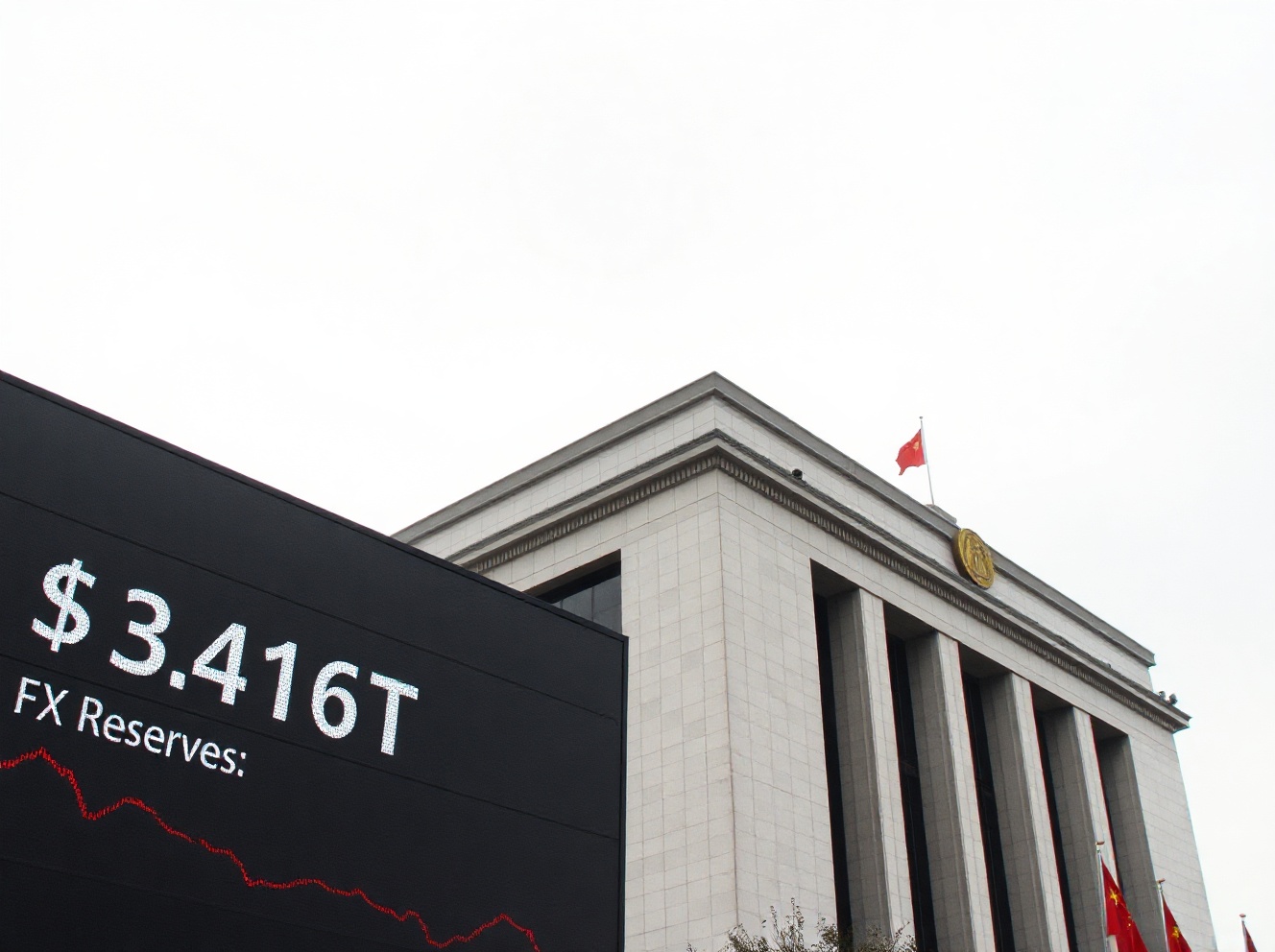
China’s Foreign Exchange Reserves Miss Forecasts, Slide to $3.416 Trillion in June
China’s foreign exchange reserves fell short of market expectations in June, coming in at $3.416 trillion, according to official data released this week. The figure missed the consensus forecast of $3.44 trillion and marked a decline from the previous month’s reading, raising questions about capital flow dynamics and the resilience of the yuan.
Reserve Decline in Context
The drop in reserves, though modest in percentage terms, represents the first notable miss against forecasts in several months. Analysts had anticipated a relatively stable reading, given the People’s Bank of China’s (PBOC) ongoing efforts to manage currency volatility and maintain orderly market conditions.
The decline is likely attributable to a combination of valuation effects from a stronger U.S. dollar and active intervention in the foreign exchange market to support the yuan. When the dollar strengthens, the dollar value of reserves held in non-dollar currencies—such as the euro, yen, and pound—declines, mechanically lowering the headline figure.
Market Implications and Yuan Stability
The data arrives at a time when the yuan has faced renewed depreciation pressure, driven by a widening interest rate differential between China and the United States and concerns over the pace of China’s economic recovery. The PBOC has used a variety of tools, including daily fixing rates and liquidity operations, to smooth excessive volatility.
A sustained decline in reserves could signal deeper capital outflows, which would put further downward pressure on the yuan. However, at $3.416 trillion, China’s reserves remain ample by historical standards, providing a substantial buffer against external shocks. The current level still represents the world’s largest stockpile of foreign currency holdings.
What This Means for Investors
For global investors, the reserve figure is a key indicator of China’s external stability. A stable or growing reserve base tends to reassure markets about the country’s ability to meet its external obligations and defend its currency. The June miss, while not alarming, warrants attention as it may reflect underlying stress in cross-border capital flows.
Economists will be watching the July data closely to determine whether this is a one-off adjustment or the beginning of a trend. The PBOC’s next policy moves, including potential adjustments to the reserve requirement ratio or interest rates, will also be influenced by the trajectory of reserves.
Conclusion
China’s June foreign exchange reserve data came in below expectations at $3.416 trillion, driven by valuation shifts and possible market intervention. While the decline is manageable given the absolute size of the reserves, it highlights ongoing challenges in managing the yuan and capital flows amid global monetary tightening. The data reinforces the importance of monitoring China’s external position as a bellwether for broader economic stability.
FAQs
Q1: Why did China’s foreign exchange reserves fall below expectations in June?
The decline is primarily attributed to valuation effects from a stronger U.S. dollar, which reduces the dollar value of reserves held in other currencies. Active intervention by the PBOC to support the yuan may have also contributed.
Q2: How significant is a $3.416 trillion reserve level for China?
It remains very significant. China holds the world’s largest foreign exchange reserves, providing a strong buffer against external shocks. The current level is still well above the $3 trillion mark often cited as a minimum comfort zone by analysts.
Q3: What does this mean for the yuan’s exchange rate?
The miss could add to short-term depreciation pressure on the yuan if markets interpret it as a sign of capital outflows. However, the PBOC has multiple tools to manage the currency, and the reserve level itself remains supportive of stability over the medium term.
This post China’s Foreign Exchange Reserves Miss Forecasts, Slide to $3.416 Trillion in June first appeared on BitcoinWorld.


You May Also Like

Inside Federal Reserve’s New Proposal on Anti-Money Laundering Requirements — Why It Matters

Indonesian couple, Chinese man held over alleged pickpocketing at Melaka’s Jonker Walk

Metaplanet raises $1.4B to fuel BTC purchases and U.S. subsidiary launch



