

OpenAI GPT-5.6 Launch: Three Models Out, Most Users Locked Out
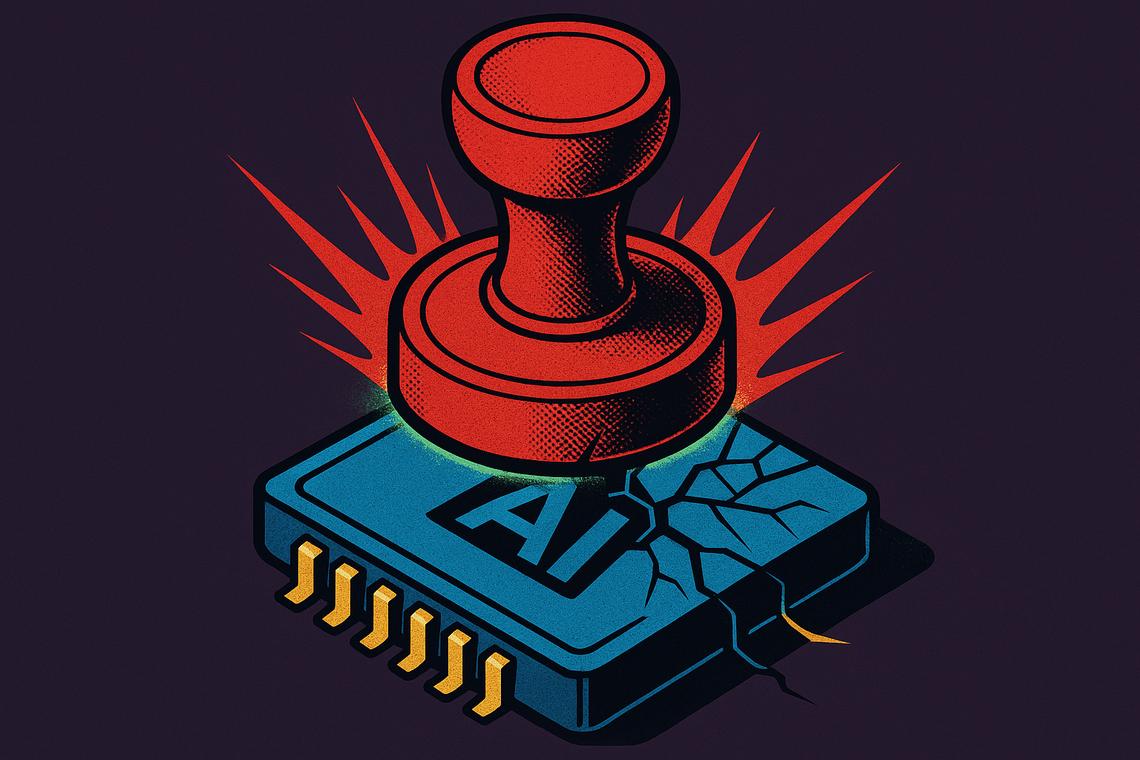
OpenAI unveiled its GPT-5.6 launch on June 26, 2026 — but most users will have to wait. The company introduced three new models under the GPT-5.6 series, only to immediately restrict who can access them, following a direct request from the Trump administration. It is a strange debut for what OpenAI calls its most capable AI system to date: announced publicly, praised extensively, and then quietly placed behind a government-approved list.
Key takeaways
- OpenAI’s GPT-5.6 series includes three models: Sol (flagship), Terra (balanced, 2x cheaper than GPT-5.5), and Luna (fastest and most affordable).
- The Trump administration requested OpenAI stagger the release, limiting access to a small group of government-preapproved trusted partners.
- A June 2 executive order mandates benchmarking and assessment of new AI models before broader release.
- OpenAI has pushed back, stating the government access process should not become a long-term default.
- Anthropic previously faced similar restrictions, being forced to take Claude Fable 5 and Mythos 5 offline despite complying with a voluntary review process.
OpenAI unveils GPT-5.6 — three models, three price points
The GPT-5.6 series is designed around a tiered structure, giving developers and organizations options depending on their performance and budget needs. At the top sits Sol, OpenAI’s most capable model to date, built for complex agentic tasks. In the middle is Terra, described as a balanced model suited for everyday work. At the entry level is Luna, built for speed and affordability.
The pricing structure alone makes a strong statement. Terra delivers performance comparable to GPT-5.5 at half the cost, making it a significant value proposition for enterprises already using the previous generation. Luna, meanwhile, offers what OpenAI calls “strong capability” at its lowest price point yet — positioning it for high-volume, cost-sensitive applications.
Together, the three models represent a deliberate segmentation strategy: premium performance for frontier use cases, balanced efficiency for businesses, and accessible speed for developers who need to scale.
GPT-5.6 Sol: the strongest model OpenAI has built
Sol is where OpenAI is making its biggest technical claims. The company says it is the strongest model it has released to date, with notable improvements across coding, biology, and cybersecurity. It also introduces new reasoning modes — a “max” reasoning effort setting and an “ultra” mode that deploys sub-agents to work through complex, multi-step problems.
Safety architecture built for high-risk scenarios
The safety design around Sol is among the most detailed OpenAI has described for any model. The company refers to it as the most “robust safety stack to date,” covering high-risk activity, sensitive cyber requests, and misuse prevention. The model has been tested against weaknesses and hardened against real-world attack scenarios.
Critically, OpenAI frames Sol’s cybersecurity capabilities as defensive rather than offensive. The model is engineered to help users find and fix vulnerabilities more effectively than it enables end-to-end attacks. That distinction matters significantly as AI models grow more capable in technical domains — and as governments grow more nervous about who can access them.
US government restrictions shaping the GPT-5.6 rollout
The release has been directly shaped by the Trump administration. Following a request from the White House, OpenAI agreed to hold back a general public launch, instead making the GPT-5.6 models available only to a curated set of trusted partners preapproved by the US government. OpenAI submits a list of prospective customers; the government reviews it and responds. Executives noted they could not share details about exactly how that approval process works.
The framework traces back to a June 2 executive order that directed the White House to build a voluntary process requiring AI labs to share new models with the government 30 days before broader release. The order included language explicitly preventing it from becoming a de facto licensing regime. In practice, however, OpenAI executives acknowledged on June 26 that no formal voluntary framework has yet been established — leaving frontier AI labs in an awkward interim period where government cooperation feels less than voluntary.
OpenAI’s direct pushback
OpenAI did not quietly accept the arrangement. In its public blog post, the company made its position explicit: “We don’t believe this kind of government access process should become the long-term default. It keeps the best tools from users, developers, enterprises, cyber defenders, and global partners who need them.”
The company framed its compliance as a tactical concession, not an endorsement — taking what it called a “short-term step” to pursue broader availability in the coming weeks while working with the administration to build a repeatable regulatory framework for future model releases.
The Anthropic precedent
The GPT-5.6 situation arrives just two weeks after a more dramatic intervention involving Anthropic. The administration forced the company to take Claude Fable 5 and Mythos 5 fully offline — even though Anthropic had followed a voluntary government review process and implemented guardrails based on government feedback. Reports indicate that standoff remains unresolved, with some Anthropic employees still unable to access the company’s own most advanced models.
That precedent matters. Anthropic complied, added safeguards, and still lost access. The pattern suggests the administration’s concern is less about process compliance and more about capability thresholds — a distinction that no amount of voluntary cooperation may fully resolve.
Access today, and what comes next
For now, the GPT-5.6 models are accessible through the API and Codex to a selected group of OpenAI partners and organizations. OpenAI has indicated it plans to expand access to additional international partners as early as next week, pending government approval of those customer lists. A broader rollout through ChatGPT, Codex, and the API is described as coming “soon.”
OpenAI is simultaneously working with the administration to develop the cyber Executive Order framework — a longer-term regulatory structure intended to govern how future models are cleared for release. The goal, as OpenAI has framed it, is to establish a process that is both repeatable and fast enough not to systematically disadvantage US AI companies against global competitors.
The deeper tension embedded in this rollout is one the entire US AI industry will be watching. The administration has stated publicly that over-regulation of AI could harm American competitiveness with China. Yet its actions — restricting access to OpenAI’s most advanced models weeks after forcing Anthropic’s offline — point in the opposite direction. Whether the “cyber Executive Order framework” under development can resolve that contradiction, or simply institutionalize the current unpredictability, is the question the industry cannot yet answer.
FAQ
What are the main models included in OpenAI’s GPT-5.6 series?
The GPT-5.6 series includes three models: Sol, the flagship and most capable; Terra, a cost-effective model that delivers performance similar to GPT-5.5 at half the price; and Luna, an affordable model positioned at OpenAI’s lowest price point with strong capabilities.
Why is OpenAI limiting access to GPT-5.6 models currently?
Access is limited at the direct request of the Trump administration, which has asked OpenAI to restrict availability to a small group of government-preapproved trusted partners while a formal regulatory framework for AI model releases is developed.
How has the Trump administration influenced AI model releases?
A June 2 executive order mandated a benchmarking and assessment process for new AI models before public release. The administration has also restricted access to advanced models from both OpenAI and Anthropic — including forcing Anthropic to take Claude Fable 5 and Mythos 5 offline despite the company’s compliance with a voluntary review process.
What safety measures does GPT-5.6 Sol include?
GPT-5.6 Sol features what OpenAI describes as its most robust safety stack to date. It includes protections against high-risk activity, sensitive cybersecurity requests, and misuse, and has been tested and hardened against real-world attack scenarios. The model is designed to support legitimate defensive security work while limiting its use for offensive operations.
Article produced with the assistance of artificial intelligence and reviewed by the editorial team.


You May Also Like

Bitcoin “Stacking Sats” Costs: What Crypto Investors Pay Now

Dogecoin and Hyperliquid Are Heating Up — But This New Project Might Be the One to Watch

Galaxy Research Cuts CLARITY Act Passage Odds to 50-50 as Senate Clock Runs Out



