

This fund assigns each of the 500 S&P constituents the same weight at every quarterly rebalance, which comes out to near 0.2% per name. That means a company like Apple gets the exact same allocation as a mid-cap industrial name. The fund still owns the Magnificent Seven stocks, but their combined influence drops from roughly a third of the portfolio down to about 1.4%. That mechanical choice tilts the fund toward sectors the cap-weighted index underrepresents, specifically industrials, financials, and mid-cap consumer names, while moving away from mega-cap technology exposure.
The case for owning the SPDR S&P 500 ETF Trust (NYSEARCA:SPY) has always been simple: cheap, liquid, and the default proxy for U.S. equities. The problem in 2026The case for owning the SPDR S&P 500 ETF Trust (NYSEARCA:SPY) has always been simple: cheap, liquid, and the default proxy for U.S. equities. The problem in 2026
Forget the Magnificent Seven. This Equal-Weight S&P Fund Beats the Mega-Caps for Just 0.20%
For feedback or concerns regarding this content, please contact us at crypto.news@mexc.com
The post Forget the Magnificent Seven. This Equal-Weight S&P Fund Beats the Mega-Caps for Just 0.20% appeared first on 24/7 Wall St..
The case for owning the SPDR S&P 500 ETF Trust (NYSEARCA:SPY) has always been simple: cheap, liquid, and the default proxy for U.S. equities. The problem in 2026 is that SPY no longer behaves like a diversified bet on 500 companies. Roughly a third of the cap-weighted index sits in a handful of Magnificent Seven names, and when that cohort stalls, the whole fund stalls with it. SPY is up just 7.58% year-to-date, lagging an alternative that owns the exact same 500 stocks in a different ratio.
That alternative is the Invesco S&P 500 Equal Weight ETF (NYSEARCA:RSP), which holds every S&P 500 constituent at the same weight and charges 0.20% a year to do it.
Why SPY Stopped Acting Like an Index Fund
SPY weights its holdings by market capitalization, so a $3 trillion company gets roughly 100 times the allocation of a $30 billion one. That worked beautifully while mega-cap tech led the market. It is working against holders now. The cap-weighted S&P 500 is up 7.58% YTD through June 23, while the equal-weight version of the same index has gained 9.93% over the same window. The roughly 2.4 percentage point gap exists because the top names that dominate SPY’s returns have been a drag, not a tailwind, in 2026.
Morningstar’s 2026 outlook frames the structural issue plainly: the top 10 U.S. stocks now account for over one-third of the market, up from 18% a decade ago. Goldman Sachs Asset Management puts the figure at roughly 40% of the S&P 500’s market cap, with the concentration in the top 10 names. An SPY holder owns the index in name and a concentrated mega-cap bet in practice.
What Equal Weight Actually Changes
When the Magnificent Seven sells off or churns sideways, SPY feels it disproportionately. RSP barely notices. Over the past 12 months, RSP returned 20.02% versus SPY’s 24.80%, so the rotation only fully arrived this calendar year. Over five years, RSP is up 51.99% against SPY’s 85.54%, a reminder that cap weighting won the prior cycle.
The 2023 Counterexample Matters
Equal weight carries its own tradeoffs. In 2023, when the Magnificent Seven powered nearly all of the index’s gains, RSP returned 13.7% while SPY returned 24.29%. An RSP holder left more than 10 percentage points on the table that year for owning the same companies in a different ratio. The same mechanism that helped in 2026 hurt badly in 2023. The decision to swap reflects a view on which regime will persist.
Cost is a real, if modest, tradeoff. RSP’s 0.20% expense ratio is higher than that of the cheapest cap-weighted S&P 500 funds, which charge in single basis points. Quarterly rebalancing also generates more internal turnover than SPY’s near-static portfolio, with potential tax implications in non-qualified accounts.
How to Think About the Swap
In a tax-advantaged account, switching SPY to RSP is mechanically simple and triggers no capital gains. In a taxable account, the embedded gains in a long-held SPY position can make a full swap expensive, and directing new contributions toward an RSP or pairing the two funds captures most of the diversification benefit without realizing gains. A blended allocation also softens the regime risk: RSP wins when breadth improves, SPY wins when the top names lead again.
A Position to Reweigh
Don't wait: the analyst who called NVIDIA in 2010 just revealed his top 10 AI stocks. See the full list FREE now.
The post Forget the Magnificent Seven. This Equal-Weight S&P Fund Beats the Mega-Caps for Just 0.20% appeared first on 24/7 Wall St..
Market Opportunity
MegaETH Price(MEGA)
$0.04661
$0.04661$0.04661
USD
MegaETH (MEGA) Live Price Chart


Disclaimer: The articles reposted on this site are sourced from public platforms and are provided for informational purposes only. They do not necessarily reflect the views of MEXC. All rights remain with the original authors. If you believe any content infringes on third-party rights, please contact crypto.news@mexc.com for removal. MEXC makes no guarantees regarding the accuracy, completeness, or timeliness of the content and is not responsible for any actions taken based on the information provided. The content does not constitute financial, legal, or other professional advice, nor should it be considered a recommendation or endorsement by MEXC.
You May Also Like
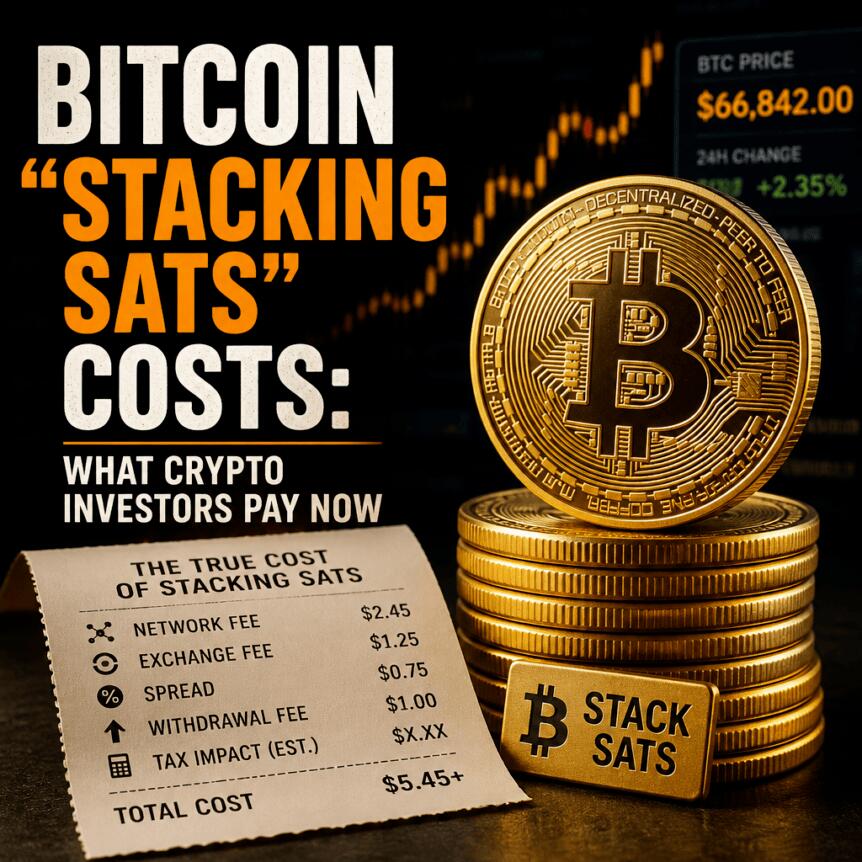
Bitcoin “Stacking Sats” Costs: What Crypto Investors Pay Now
Crypto analytics firm CryptoQuant has urged Michael Saylor’s publicly traded vehicle, Strategy, to slow down Bitcoin buying and focus on strengthening its cash
Share
Crypto Breaking News2026/06/27 03:18
Dogecoin and Hyperliquid Are Heating Up — But This New Project Might Be the One to Watch
The crypto market has no shortage of drama. Whether it’s Dogecoin trends dominating social feeds or Hyperliquid drawing headlines across DeFi circles, the pace rarely slows down. But amid the noise, a new player is quietly building momentum — and it’s not another meme token or trading platform clone. It’s called Kart Rumble, and while
Share
Coinstats2025/09/17 23:30
Galaxy Research Cuts CLARITY Act Passage Odds to 50-50 as Senate Clock Runs Out
Bitcoin Magazine Galaxy Research Cuts CLARITY Act Passage Odds to 50-50 as Senate Clock Runs Out Galaxy Research cut its odds of the Senate passing the CLARITY
Share
bitcoinmagazine2026/06/27 04:48



