

Dividend Safety Check: VIG and the Dividend Appreciation Approach
The post Dividend Safety Check: VIG and the Dividend Appreciation Approach appeared first on 24/7 Wall St..
- Vanguard Dividend Appreciation ETF (VIG) — largest U.S. dividend-growth fund prioritizing income durability over yield.
- VIG's top holdings boast fortress-level cash coverage, with Johnson & Johnson generating $24.5B operating cash flow against $12.4B dividends.
- Coca-Cola demands closer monitoring despite 63 years of growth; 2026 payout ratio tops 100% on cash basis.
- Don't wait: the analyst who called NVIDIA in 2010 just revealed his top 10 AI stocks. See the full list FREE now.
The Vanguard Dividend Appreciation ETF (NYSEARCA:VIG) is the largest dividend-growth ETF in the U.S., built less on headline yield than on the durability of the income stream behind it. VIG pays a modest yield (typically below 2%), but the real question is whether that distribution will keep climbing year after year. Looking at the cash flows behind VIG’s biggest positions, the answer is yes, with one holding worth watching more closely than the marketing suggests.
How VIG generates its income
VIG tracks the S&P U.S. Dividend Growers Index, which only includes U.S. companies with at least 10 consecutive years of annual dividend increases and screens out the top 25% highest-yielding names. That second filter is critical: it removes stretched payers and tilts the fund toward quality compounders. At a 0.04% expense ratio, holders keep essentially all of the underlying income.
VIG holds roughly 300+ dividend growers, so no single name dictates the distribution. The top weights, led by Johnson & Johnson, Procter & Gamble, and Coca-Cola, set the tone. All three are Dividend Kings, and their payout mechanics reveal most of what you need to know about VIG’s income safety.
Johnson & Johnson: textbook coverage
Johnson & Johnson (NYSE:JNJ) just delivered its 64th consecutive annual dividend increase, lifting the quarterly payout 3% to $1.34 per share. The cash flow behind it is the safest in the group: $24.5 billion in operating cash flow against $12.4 billion in dividends, a coverage ratio close to 2x. JNJ could see earnings fall by a third and still fund the dividend from operations. Q1 2026 net income dropped sharply on $330 million in litigation charges, but that is a legal timing issue, not a cash-generation problem.
Procter & Gamble: paying through tariffs
Procter & Gamble (NYSE:PG) just notched its 70th consecutive annual increase and expects to pay roughly $10 billion in dividends in fiscal 2026. Free cash flow of $14.0 billion against a $9.9 billion payout works out to 1.42x coverage. Management is absorbing $400 million in after-tax tariff costs, but an asset-light consumer staples model gives PG room to weather a soft patch.
Coca-Cola: the one to watch
Coca-Cola (NYSE:KO) is in its 63rd year of dividend growth, and Q1 2026 was strong: 12% revenue growth. Coke paid out $8.78 billion in dividends in 2025, a payout ratio above 100% on a cash basis. Management guides to free cash flow of about $12.2 billion in 2026, which would restore comfortable coverage, but if that recovery slips, KO’s dividend growth pace, not the dividend itself, would be trimmed first.
Total return, not just yield
A dividend ETF is only worth owning if the price holds up. VIG is up 18% over the past year, 66% over five years, and 256% over ten years on a price basis, with dividends layered on top. There is no NAV erosion story to worry about here, the way there is with higher-yielding covered-call funds.
The verdict
VIG’s distribution is as safe as dividend ETF income gets. The methodology screens out the riskiest yield, the top holdings throw off more cash than they pay out, and the fund’s near-zero fee means investors keep what the companies produce. The trade-off is the sub-2% yield: VIG is built for investors who want a growing income stream compounded over decades rather than current paycheck-level income. For that crowd, Schwab’s SCHD (NYSEARCA:SCHD) offers a higher current yield with a similar quality tilt, though with somewhat slower historical dividend growth. VIG remains the cleanest expression of the dividend appreciation thesis on the market.
Don't wait: the analyst who called NVIDIA in 2010 just revealed his top 10 AI stocks. See the full list FREE now.
The post Dividend Safety Check: VIG and the Dividend Appreciation Approach appeared first on 24/7 Wall St..


You May Also Like

What is On-Demand Liquidity? How Ripple uses XRP to move money

Goldman Sachs’ 1 Delta Desk Warns AI’s Greatest Threat Is the Reflexive Loop
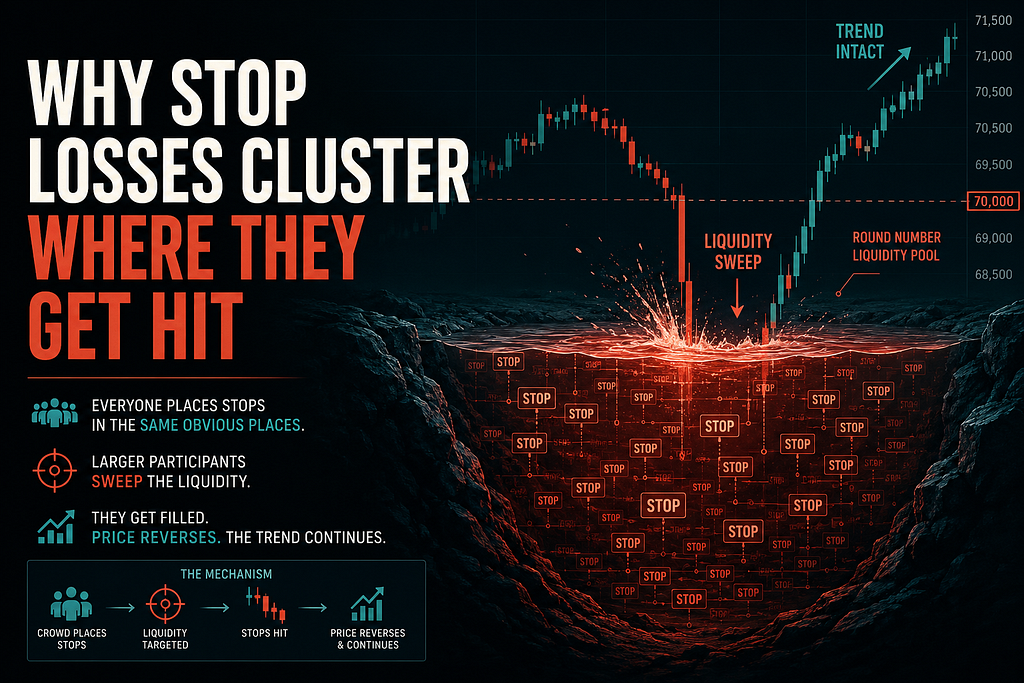
Why Stop Losses Cluster Where They Get Hit



