

Mark Zuckerberg makes a move on a new billion-dollar market
Reels came from TikTok's rise. Threads came from Twitter's implosion. Mark Zuckerberg has spent the better part of a decade identifying fast-growing categories, building Meta's version, and running it through a user base that no other company can match. He just found his next one.
The New York Times reported on June 23 that Zuckerberg directed a small team at Meta to build a new smartphone app focused on prediction markets.
CNBC confirmed the story with a source familiar with the company's plans. Shares of several companies in the betting and trading space dropped within hours. Meta declined to comment.
What Arena is and why the no-cash approach matters
The app is called Arena internally. It would run separately from Facebook, Instagram, WhatsApp, and Messenger rather than as a feature inside any of them.
Two employees familiar with the project told the Times it is a top priority for Zuckerberg, even though insiders also described it as experimental and acknowledged it may never be released publicly.
Arena would let users forecast the outcomes of events using a video game-style points system rather than actual money. That includes elections, sports, economic data, and entertainment.
The design keeps Arena outside the CFTC's oversight framework for real-money prediction markets, at least for now. Zuckerberg has not closed the door on adding cash wagering eventually, according to the Times.
More Tech:
- Microsoft CEO sends a blunt warning on AI and the tech ecosystem
- Amazon CEO just made things uncomfortable for Anthropic
- Microsoft has bad news for a key AI partner
The growth plan is simple. Meta's apps collectively reach 3.56 billion people every day. Prediction markets have always had a ceiling on how many users they can organically attract. Routing even a fraction of Meta's audience toward Arena removes that ceiling entirely.
Why DraftKings, Flutter, and Robinhood shares fell on the news
DraftKings fell more than 2% after the report, finishing the day down 2%. Flutter Entertainment, which owns FanDuel, dropped nearly 2% before recovering to close up 0.4%. Robinhood slid as well. The reaction makes sense. Prediction market companies have spent years building audiences from scratch. Meta can skip that part.
The sector they are trying to protect has been growing fast. Combined trading volume on Kalshi and Polymarket reached $50 billion in 2025 and logged more than $130 billion in 2026, The Next Web noted. Investment firm Bernstein estimates the category could reach $1 trillion in annual volume by 2030.
DraftKings launched its own prediction platform, Railbird, which hit $3.1 billion in annualized trading volume in May. The stock has fallen sharply year to date despite that early traction. The prediction market business is growing, and the share price is going the other way, which tells you the market has been pricing in exactly this kind of competitive threat for a while. Now it has a name.
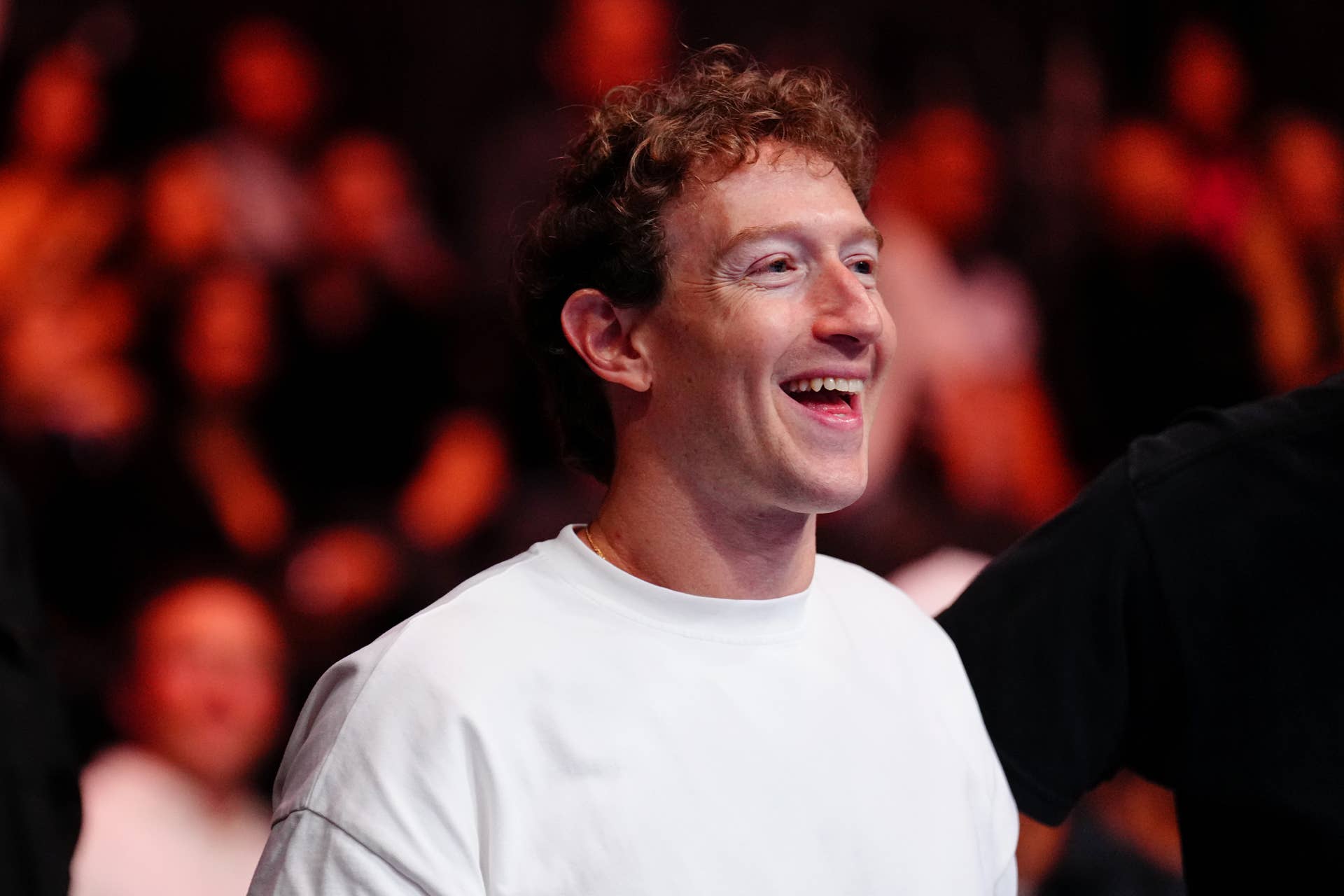 Arena would let users forecast the outcomes of events using a video game-style points system rather than actual money
Unger&solGetty Images
Meta tried this in 2020, shut it down, and is trying again
Zuckerberg has been here before. In 2020, Meta launched Forecast, a crowdsourced prediction app built around a points system. It shut the app down in 2022, CNBC noted. The prediction markets industry at that point was nowhere near what it is today.
In 2022, Kalshi and Polymarket were still carving out niche audiences among traders and political obsessives. Prediction markets had essentially no mainstream presence.
Since then, they have shown up on major sports broadcasts, been featured during the Golden Globes, landed inside Robinhood's trading platform, and drawn enough volume to attract CFTC oversight.
What Zuckerberg walked away from four years ago barely resembles the market he is walking back into.
What the Arena move tells investors watching Meta
Arena arrived the same week reports surfaced that Meta is testing other standalone apps, including one called Meta Photos focused on AI-generated media.
Zuckerberg is running multiple product experiments at once, each built separately from Meta's core platforms and each dependent on the same thing: the ability to push billions of existing users toward something new.
Meta is spending between $125 billion and $145 billion on capital expenditure in 2026, more than double last year's outlay, according to Bloomberg. The bulk goes toward AI infrastructure.
Arena generates no revenue at launch and may never generate any if it does not reach scale. The business case only exists if the engagement follows.
Reels worked. Threads worked well enough to reach 500 million monthly users as of June. Horizon Worlds never worked and has cost Meta more than $70 billion in Reality Labs losses since 2020. Arena will land in one of those columns eventually. Zuckerberg's distribution advantage means it starts with something Polymarket and Kalshi never had. Whether that is enough is the only open question.
Related: Mark Zuckerberg and Meta face first tough test after layoffs


You May Also Like

Trump Cancels Housing Bill Signing Over CBDC Ban Provision, Demands Voting Legislation First
Next Crypto to Explode as Morgan Stanley’s SOL ETF Stuns at 0.14%, While Pepeto Targets 100x Before the Binance Listing Opens

Demand & Convert Deploys Proprietary Web Architecture to Help Local Trades Escape Shared Lead Model



