

Ryan Salame’s Wife Charged in Case Tied to FTX-Backed Run
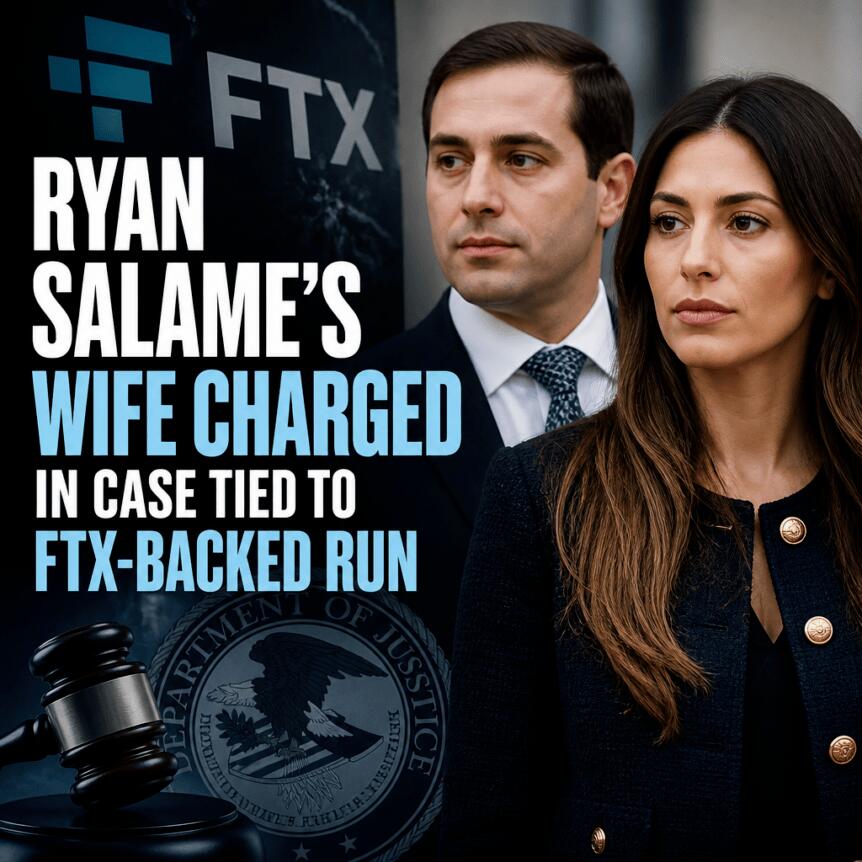
Michelle Bond, the wife of former FTX executive Ryan Salame, will move forward to trial on illicit campaign finance-related charges after a Manhattan federal judge rejected an attempt to throw out the indictment. The decision, issued by U.S. District Judge George Daniels on Wednesday, hinged on whether prosecutors promised Bond immunity in exchange for Salame’s guilty plea.
Daniels denied Bond’s motion to dismiss, concluding there was “no ambiguity” in the written plea agreement and that prosecutors never promised Bond would be cleared. The ruling is expected to be among the final steps in the cluster of criminal cases stemming from FTX’s collapse in 2022, one of the most consequential events in the history of the crypto industry.
Key takeaways
- Judge George Daniels ruled that the plea agreement did not grant Michelle Bond immunity and that prosecutors made no binding promise to avoid her prosecution.
- The court found the government’s position was “undisput[ably]” supported by evidence that immunity was not offered when Ryan Salame pleaded guilty.
- Bond’s indictment centers on allegations that she used FTX-linked funds to bankroll her 2022 congressional campaign.
- Bond faces four separate campaign-finance counts, each carrying up to five years in prison.
No immunity in the plea paperwork
Bond asked the court to dismiss the indictment by arguing that prosecutors made assurances during a 2023 meeting. According to Bond, then–Manhattan U.S. Attorney Danielle Sassoon told her and Salame’s attorney that if Salame pleaded guilty, prosecutors would “conclude” investigative matters related to Ryan Salame but not those related to Bond.
In his decision, Daniels rejected that argument by emphasizing the “four corners” of the plea agreement—meaning the terms that were actually set in writing. The judge wrote that there was “no ambiguity” in the agreement and found that “all parties, including the defendants and their counsel” understood that the government had not promised Bond immunity when Salame entered his guilty plea.
Daniels also pointed to testimony from Bond’s former lawyer, Gina Parlovecchio, indicating that she did not view Sassoon’s statement as a promise at the time it was made. The judge concluded the evidence showed the government did not bargain for Bond’s non-prosecution in return for Salame’s plea.
How FTX money allegedly flowed into a 2022 campaign
Prosecutors’ allegations trace the case to Bond’s failed attempt to win a House seat in 2022. In an earlier filing made by the government and reported in August 2024, prosecutors said that after Bond launched her congressional run, Salame arranged a consulting arrangement between Bond and FTX, under which Bond was paid $400,000.
According to the government, Bond then used those funds to illegally support her campaign, along with additional money—prosecutors allege Salame wired her hundreds of thousands of dollars between June and August 2022. Prosecutors further claimed Bond tried to obscure the source of payments and made false statements to both a congressional committee and the Federal Election Commission.
Bond’s defense has argued that the government’s earlier assurances about the scope of prosecution should matter. But Daniels’ ruling makes clear that, at least under current findings, the court does not accept that any side discussions overrode the written plea terms.
Where the case fits in the broader FTX fallout
FTX’s collapse in 2022 sent shockwaves through crypto markets and triggered a long-running set of criminal investigations and prosecutions. The Salame-related matter has already reached a sentencing milestone: Salame, who served as co-CEO of FTX’s Bahamian subsidiary, FTX Digital Markets, was sentenced to seven and a half years in prison in May 2024.
That sentence followed a guilty plea by Salame to conspiring to make illegal political contributions and to operating an illegal money transmitter. Bond’s case is closely connected to those same allegations, but it targets her alleged role in financing and concealing campaign support tied to FTX.
The judge’s ruling is therefore significant not just for Bond, but for the pace of closing out FTX-linked prosecutions. If upheld through further proceedings, it would keep the focus on Bond’s indictment and move the case closer to trial.
Charges and potential exposure
Bond is facing four criminal counts connected to campaign finance and donation-related conduct. The charges listed in the indictment include conspiracy to cause unlawful political contributions; causing and receiving a straw donor contribution; causing and accepting excessive campaign contributions; and an unlawful corporate contribution.
Each of the four counts carries a statutory maximum sentence of up to five years in prison. The case turns largely on whether the alleged payments and related campaign activity violated U.S. campaign finance laws, and whether Bond’s attempts to conceal the funding sources or make related statements crossed criminal lines.
With Judge Daniels denying the motion to dismiss, Bond will now have to litigate the merits of the government’s allegations rather than seeking relief based on alleged immunity promises tied to Salame’s plea.
For observers watching the final chapters of the FTX criminal saga, the key next development is how Bond responds at trial or in any subsequent motion practice—particularly given the judge’s emphasis on the written plea agreement and what communications were or were not treated as binding promises.
This article was originally published as Ryan Salame’s Wife Charged in Case Tied to FTX-Backed Run on Crypto Breaking News – your trusted source for crypto news, Bitcoin news, and blockchain updates.


You May Also Like

Top Analyst Presents 3 Major Historical References for XRP Price Rally

Genius Group (GNS) Stock Climbs 8% After Q1 Revenue Soars 171% and Returns to Profit

Stakestone (STO) Soars: Token Surpasses $1.14 After Stunning 367% Rally



