

Make TON Great Again roadmap hits step 4 — why is Gram back at $1.67?
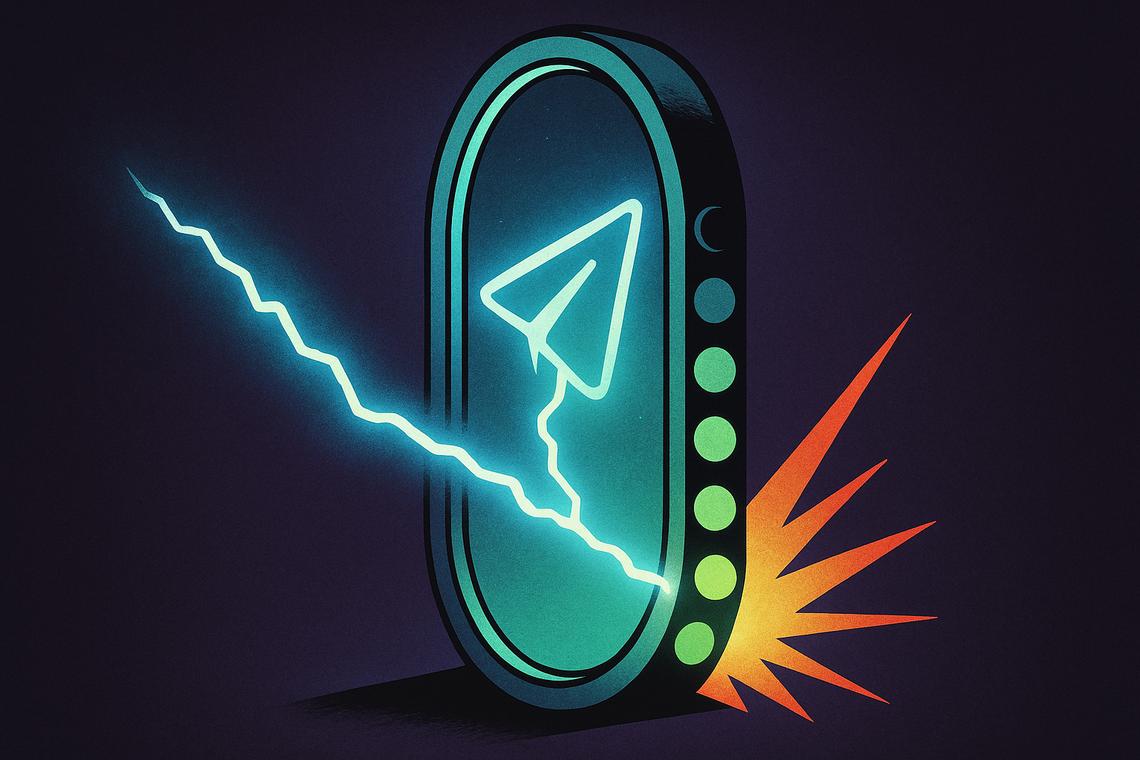
Pavel Durov’s Make TON Great Again roadmap is now four steps deep into a seven-step plan that could either transform The Open Network into the backbone of a billion-user payment system — or go down as the most technically ambitious crypto project that never quite converted potential into adoption. Four milestones have shipped since April 2026. Three remain undisclosed. And every single announcement has sent Gram’s price spiking before traders cashed out and waited for the next one.
Key takeaways
- Pavel Durov’s MTONGA roadmap launched on April 9, 2026, as a seven-step plan to upgrade The Open Network and tie it directly to Telegram’s roughly one billion users.
- Four steps have shipped: a Catchain 2.0 speed upgrade, a sixfold fee cut to $0.0005 per transfer, Telegram becoming the network’s largest validator, and a token rename from Toncoin to Gram.
- The Catchain 2.0 upgrade cut block production time from about 2.5 seconds to roughly 400 milliseconds, but raised expected annual inflation from 0.6% toward 3.6%.
- Telegram replaced the Switzerland-based TON Foundation as primary steward on May 4, 2026, reversing the deliberate separation established after the 2020 SEC settlement.
- Three roadmap steps remain undisclosed; each prior announcement has triggered sharp Gram price rallies that subsequently faded, following a classic buy-the-rumor, sell-the-news pattern.
Completed MTONGA Roadmap Milestones
The Make TON Great Again roadmap kicked off on April 9, 2026, with Durov publishing the plan directly on his Telegram channel under a name that was impossible to miss. Seven steps. One goal: make The Open Network fast enough, cheap enough, and Telegram-connected enough to handle payments and applications at consumer scale. Four of those steps are now in the rearview mirror.
Speed Upgrade via Catchain 2.0
The first milestone was the one that made the rest technically possible. Catchain 2.0 — a new consensus mechanism — slashed block production time from about 2.5 seconds to roughly 400 milliseconds, adding a streaming layer that pushes updates to applications almost instantly rather than forcing them to wait for the next block. For users, this means payments clear in under a second and apps respond in real time, which is the kind of responsiveness a consumer payment network needs if it is going to feel like sending a message rather than filing a blockchain transaction.
The tradeoff sits inside the tokenomics. More frequent blocks generate more validator rewards, which strengthens staking incentives but also raises token issuance. As a direct consequence, the network’s annual inflation is expected to climb from roughly 0.6% toward 3.6%. The speed is a genuine upgrade. The inflation bump is its cost, and it sits underneath the bull case as a quiet but real headwind.
Sixfold Fee Reduction
With speed in place, step two attacked cost. Base transaction fees were cut roughly sixfold, standardizing the price at around $0.0005 per transfer regardless of network congestion. TON fees were already low compared with Ethereum or Solana, so the bigger story here is not the absolute saving — it is what near-free, predictable fees unlock: micropayments, tipping, in-app commerce, and high-frequency applications that only make economic sense when each transaction costs a fraction of a cent. Durov has also referenced feeless transactions as a longer-term goal, making this step feel like the beginning of a direction rather than a final destination.
Telegram Becomes Largest Validator
Step three was the most strategically significant move on the entire roadmap. On May 4, 2026, Durov announced that Telegram would replace the Switzerland-based TON Foundation as the primary steward of The Open Network and operate as the chain’s largest validator, staking millions of tokens through the messenger’s own infrastructure.
This reversed years of deliberate separation — the structural distance that had been built specifically after the 2020 SEC settlement to put space between Telegram the company and the blockchain project. Telegram binding its corporate stake to the chain sent the clearest possible signal that the company is now committed to the network’s fate. Durov acknowledged the centralization concern that naturally follows from a single dominant validator, arguing that Telegram’s prominent role would actually encourage other major players to join the validator pool as a counterbalance. Whether that logic proves out remains an open question. The strategic commitment, however, is unambiguous.
Token Rebranded from Toncoin to Gram
Step four was the most visible change and the least mechanical one. In early June, Durov announced that the native token would reclaim the name Gram — the original name from Telegram’s 2018 whitepaper, abandoned after the SEC forced the project to halt in 2020. A community vote on the TON Vote platform passed with 81.22% support, and the rename took effect on June 15, 2026, shifting the token’s name and ticker from TON to GRAM while leaving the blockchain itself named The Open Network.
No token swap, migration, or claim was required. A holder of 10 Toncoin simply woke up holding 10 Gram. Supply, fees, contracts, and on-chain mechanics were untouched.
What made the rename matter was symbolic and strategic. Reclaiming Gram closes the branding gap that always made “Toncoin” confusing to Telegram’s own audience, connects the token to the messenger’s identity, and — perhaps most pointedly — signals that Telegram believes the regulatory climate has shifted enough to revive the exact name the SEC once litigated against.
Impact on Tokenomics and Market Behavior
Token Inflation and Validator Rewards
The Catchain 2.0 upgrade carries the most consequential economic implication of any roadmap step so far. Faster block production means more frequent validator rewards, pushing expected annual inflation from roughly 0.6% toward 3.6%. For stakers, this improves yield incentives. For holders who are not staking, it represents a dilution headwind that compounds over time. The fee cut, by contrast, is economically neutral on supply — it lowers the cost of using the network without affecting issuance. Together, the two steps shift the network’s economic profile toward rewarding active participation while making passive holding slightly more expensive in real terms.
Market Price Reactions to Roadmap Announcements
A consistent and telling pattern runs through all four milestones. Gram roughly doubled from about $1.30 to a peak near $2.80–$2.89 through the April and May announcements covering the speed upgrade, fee cut, and Telegram’s validator takeover, briefly pushing the market cap toward $7.6 billion and into the top 20. Then the price retraced. The Gram rename triggered another sharp move — a roughly 19% jump toward $2.21 — and that faded too, with the token sitting near $1.67 around the time the rename actually took effect.
Each announced step produces a sharp rally the market subsequently surrenders. This is the classic buy-the-rumor, sell-the-news pattern applied to a roadmap with discrete, pre-signaled events. The reason the rallies fade is straightforward: the completed steps are enablers — faster, cheaper, Telegram-controlled, freshly branded — but they have not yet produced the durable user activity and revenue growth that would sustain a genuine re-rating. The roadmap builds the runway. The takeoff remains unproven. And the price keeps reflecting that gap.
Telegram’s Strategic Role and Governance Shift
Reversal of Post-2020 SEC Settlement Separation
Telegram’s return as the network’s dominant force represents one of the more striking reversals in recent crypto governance history. After the 2020 SEC settlement, the structure was explicit: Telegram and the blockchain project would maintain separation. The Switzerland-based TON Foundation would steward the network independently. That arrangement held for years. Telegram stepping in as the largest validator on May 4, 2026, erased it.
For long-term observers, this is the development the Gram investment thesis always quietly required. A blockchain meant to serve Telegram’s users needs Telegram genuinely committed to it — not at arm’s length through a nominally independent foundation. The governance shift answers that question definitively.
Centralization Concerns and the Counterbalance Argument
The concern is real and worth stating directly: a single dominant validator concentrates power, and Telegram is now that validator. Durov’s counterargument — that Telegram’s prominence encourages other large validators to join as a counterbalance — is plausible as a long-term dynamic but unproven as a near-term reality. What matters for the current roadmap is the strategic signal, not the decentralization debate: Telegram has put its own infrastructure and stake behind the network, which is the commitment level the market had long wanted to see.
Future Steps and Adoption Challenges
Speculation on Remaining Three MTONGA Steps
Durov has not publicly detailed steps five, six, and seven. Based on his references to “performance upgrades” and “tech superiority,” and on the network’s visible direction, the most likely candidates include:
- Further technical improvements, potentially including feeless transactions, which Durov has hinted at as a longer-term goal alongside additional consensus refinements.
- Deeper Telegram integration — wiring Gram directly into the messenger’s product suite for in-app payments, tipping, and commerce, building on the USDT payments groundwork Telegram has already laid.
- Developer tooling and ecosystem improvements, including a new ton.org site and infrastructure designed to make building on the network faster and more attractive.
- Expanded user access, potentially a U.S. wallet rollout or payment partnerships that convert the network’s scale into concrete consumer use cases — a move consistent with the regulatory confidence signaled by reclaiming the Gram name.
These are informed inferences, not confirmed announcements. Durov has revealed each step on his own timeline, typically shortly before or as it shipped, which means the final three remain genuinely unknown outside Telegram’s internal planning.
Need for Durable User Adoption and Revenue Growth
Here is the harder truth the roadmap has not yet answered. Four completed steps have upgraded the network’s technical foundation, shifted governance back to Telegram, and refreshed the brand. What they have not done is demonstrate that Telegram’s approximately one billion users are actually converting into Gram’s economy. Wallet activity and payment volume — the metrics that would signal real adoption — have not yet shown the kind of sustained growth that would justify a lasting price re-rating.
The MTONGA roadmap is substantive. More so than its political-slogan name might suggest. But a roadmap is infrastructure, not adoption. The network is now genuinely capable of supporting mass-scale payments. Whether that capability translates into actual usage is the question the three remaining steps will be judged against — and it is the same standard the first four are already being measured by.
FAQ
What is the Make TON Great Again (MTONGA) roadmap?
MTONGA is Pavel Durov’s seven-step plan launched on April 9, 2026, to upgrade The Open Network and integrate it with Telegram, aiming to serve approximately one billion users with fast and cheap blockchain payments. Four steps have shipped: a Catchain 2.0 speed upgrade, a sixfold fee cut to $0.0005 per transfer, Telegram becoming the network’s largest validator replacing the TON Foundation, and renaming the token from Toncoin to Gram.
What are the four completed MTONGA roadmap steps?
The four completed steps are: a Catchain 2.0 consensus upgrade that reduced block production time from about 2.5 seconds to roughly 400 milliseconds; a sixfold fee cut that set base transaction costs at approximately $0.0005; Telegram replacing the Switzerland-based TON Foundation as primary steward and becoming the network’s largest validator on May 4, 2026; and the token rename from Toncoin to Gram, effective June 15, 2026, with no change to supply or on-chain mechanics.
Why does the Gram token price spike and then fall after each milestone announcement?
Each roadmap step causes a sharp price rally that subsequently fades because the upgrades build network capability without yet producing durable user adoption or revenue growth. The token doubled from about $1.30 to near $2.89 through the spring announcements before retracing, and the Gram rename added a roughly 19% jump that also faded. The pattern reflects classic buy-the-rumor, sell-the-news behavior: markets reward the promise briefly, then discount it until actual wallet activity and payment volume confirm real adoption.
What are the possible themes for the three remaining undisclosed MTONGA roadmap steps?
Based on Durov’s public comments and the network’s direction, likely areas include further performance improvements such as feeless transactions, deeper Telegram platform integration for in-app payments and commerce, improved developer tools and a new ton.org site, and potentially expanded user access or payment partnerships — possibly including a U.S. wallet rollout. These are educated inferences rather than confirmed announcements, as Durov has not detailed steps five, six, and seven.
Article produced with the assistance of artificial intelligence and reviewed by the editorial team.


You May Also Like

LIST: Bayanihan initiatives amid soaring oil prices
Solana price confirms bearish crossover following Drift exploit, will it crash?

Ares Strategic Mining Establishes New Investor Relations Team Following $10 Million Funding


Trending News
More24/7 Live News
MoreQuick Reads
More
