

SpaceX Makes Historic Public Debut: Shares Pop 26% on Nasdaq
BitcoinWorld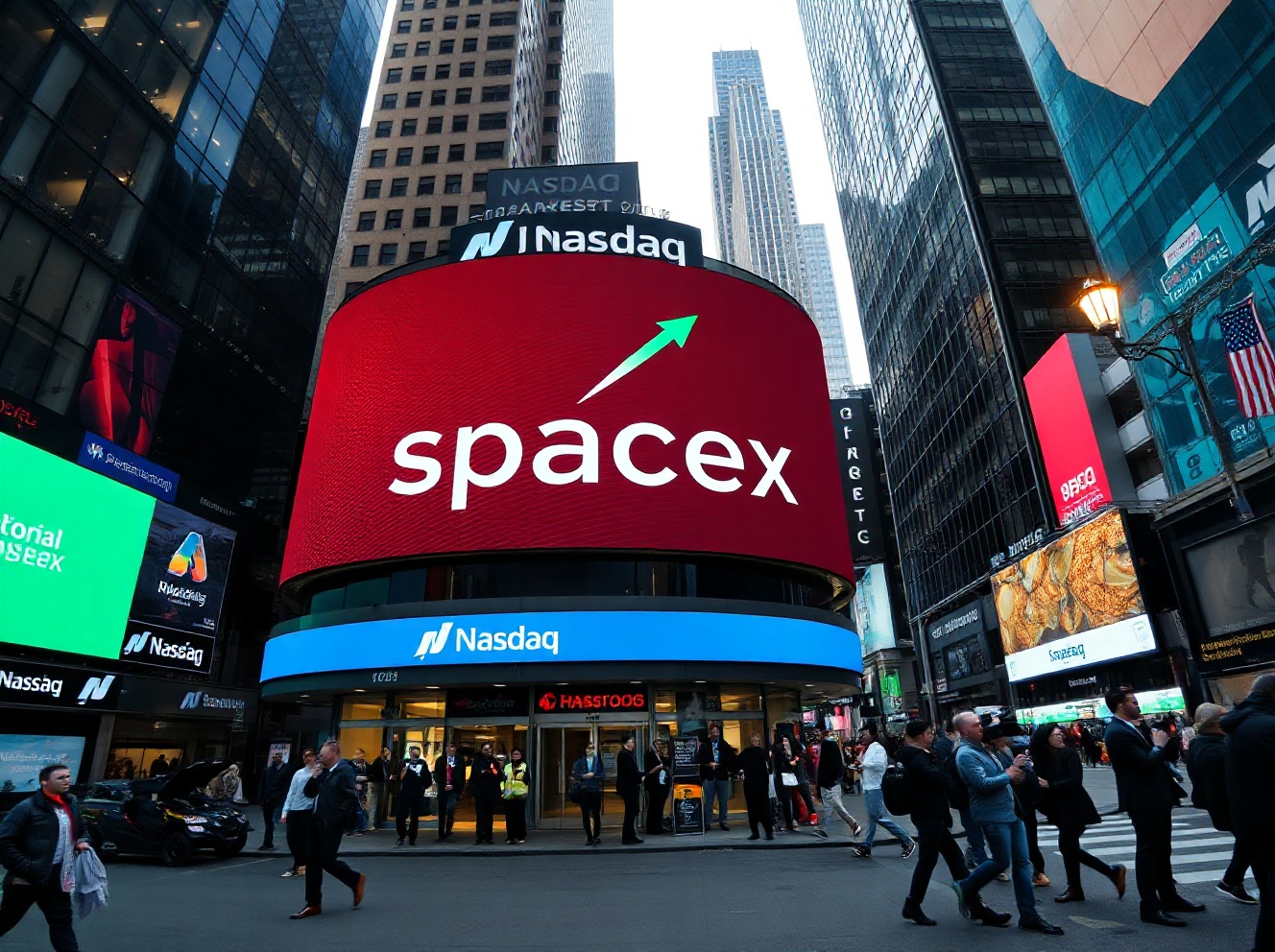
SpaceX Makes Historic Public Debut: Shares Pop 26% on Nasdaq
SpaceX, the private spaceflight company founded by Elon Musk, began trading on the Nasdaq public exchange on June 12, 2026, in what is now the largest initial public offering in history. Shares opened at $150, an 11% pop above the IPO price of $135, and continued climbing throughout the day. By 1:38 pm ET, shares were trading at $170.82, a gain of more than 26%.
The Numbers Behind the IPO
The company priced 555.6 million shares at $135 each, raising $75 billion. The offering surpassed all previous records, including Alibaba’s $25 billion IPO in 2014 and Saudi Aramco’s $29.4 billion listing in 2019. At the opening price, Elon Musk’s stake in SpaceX — approximately 85.1% of voting power — pushed his net worth above $1 trillion, making him the world’s first trillionaire according to Bloomberg’s Billionaires Index.
Inside the S-1 Filing
SpaceX’s S-1 registration document, filed with the SEC and amended multiple times before the IPO, revealed unprecedented financial details about the company. In 2025, SpaceX reported revenues of over $18 billion but posted a net loss of $4.9 billion. Cumulative losses since inception exceed $37 billion. The filing also disclosed that Starlink, the company’s satellite internet division, now accounts for the majority of revenue, while the Starship rocket program remains a significant cost center.
Who Wins, Who Doesn’t
The IPO created approximately 4,400 new millionaires among SpaceX employees, according to the New York Times. However, the S-1 also warned investors of potential future dilution, adding fuel to persistent rumors of a merger with Tesla. Lower-tier SPV investors face hidden fees, lengthy payout delays, and the risk of fraud, as detailed in the filing. Elon Musk retains monarchical control with more than 50% of voting power, a level of influence that exceeds what most tech founders hold in publicly traded companies.
Pre-IPO Deals and Strategic Moves
In the months leading up to the IPO, SpaceX secured several major compute deals to improve its balance sheet. Anthropic agreed to pay xAI $1.25 billion per month for compute resources, while Google committed $920 million per month. Both deals were described by the companies as short-term arrangements addressing unexpected demand for AI products.
Conclusion
SpaceX’s public market debut marks a turning point for the company and the broader space industry. While the IPO has made many early investors and employees wealthy, the company’s path forward remains uncertain. The S-1 reveals a business still deeply unprofitable, heavily reliant on Starlink, and facing significant technical and financial challenges with Starship. Investors are betting on Musk’s vision, but the road ahead is anything but guaranteed.
FAQs
Q1: What was the SpaceX IPO price?
The IPO was priced at $135 per share, with shares opening at $150 on the Nasdaq.
Q2: How much money did SpaceX raise in its IPO?
SpaceX raised $75 billion by selling 555.6 million shares, making it the largest IPO in history.
Q3: Is Elon Musk now a trillionaire?
Based on his 85.1% voting stake and the opening share price, Musk’s net worth exceeded $1 trillion, making him the world’s first trillionaire.
This post SpaceX Makes Historic Public Debut: Shares Pop 26% on Nasdaq first appeared on BitcoinWorld.


You May Also Like
Xrp Bulls Hold Key Zone As Analyst Eyes Breakout Toward $1.26 Next

Fed Governor Calls For Strong Stablecoin Oversight As CLARITY Act’s Final Text Gets Delayed

Blockworks Acquires Messari: What the Deal Means for Crypto Media and Research



