

Dormant Whale Borrows $30M on Aave to Buy More Ethereum
A cryptocurrency whale address that sat inactive for three years has suddenly come back to life. The address executed a series of large transactions on the decentralized lending protocol Aave. On-chain analytics firm Onchain Lens reported the details. The address deposited 20,000 Ether ($ETH), worth about $33.28 million, into Aave V3. It then borrowed 30 million $USDT. The whale used those borrowed stablecoins to buy even more $ETH, pushing its holdings much higher.
Whale Activity Details
After these transactions, the address’s total $ETH balance jumped from 38,554 $ETH (roughly $64.28 million) to 56,380 $ETH. That stake is now valued at approximately $94.04 million. This is a notable bet on Ethereum’s price direction. The whale used borrowed funds to increase exposure. The sudden activity, after such a long quiet period, has caught the attention of market watchers. Large holders can shift market sentiment and liquidity, so this move matters.
Implications for DeFi and Market Dynamics
This event shows how decentralized finance (DeFi) platforms like Aave are used for leveraged positions. By depositing $ETH as collateral and borrowing $USDT, the whale created a leveraged long position on Ethereum. They did this without using any centralized exchange. Such strategies can boost gains if the asset price goes up. But they also carry serious liquidation risk if the collateral value drops sharply. The transaction also points to ongoing demand for $ETH among big investors, even when the broader market is moving around.
For regular crypto participants, large whale moves can hint at shifting market sentiment or strategic planning. No single action guarantees where prices will go. But the scale here, involving tens of millions of dollars, adds useful on-chain data. Traders and analysts often monitor these signals. It also shows how mature and useful DeFi lending platforms have become for sophisticated capital management.
Final Takeaway
The reactivation of a long-dormant whale address, which then borrowed heavily to accumulate more $ETH, signals a high-conviction move by a major holder. On-chain analytics tools are making such activities transparent. This gives the crypto market valuable signals that inform both retail and institutional players. Whether this bet pays off depends on Ethereum’s price performance. But the transaction itself is a clear example of how DeFi enables large-scale capital deployment with transparency.
FAQs
Q1: What is a whale in cryptocurrency?
A whale is an individual or entity that holds a large amount of a particular cryptocurrency. They can influence market prices or sentiment through their trading activity.
Q2: How does borrowing on Aave work?
Users deposit crypto assets as collateral into Aave’s smart contracts. They can then borrow other assets up to a certain loan-to-value ratio. If the collateral value falls below a threshold, the position may be liquidated.
Q3: Why did this whale’s activity matter?
Large, sudden movements by dormant whales can indicate strategic accumulation or repositioning. They provide on-chain data that traders use to gauge market sentiment and potential price trends.
The post Dormant Whale Borrows $30M on Aave to Buy More Ethereum appeared first on TheCryptoUpdates.


You May Also Like

XRP Army Reacts As This Public Receipt Links Ripple to FedNow

US House Ways and Means Committee Circulates Seven Crypto Tax Draft Bills
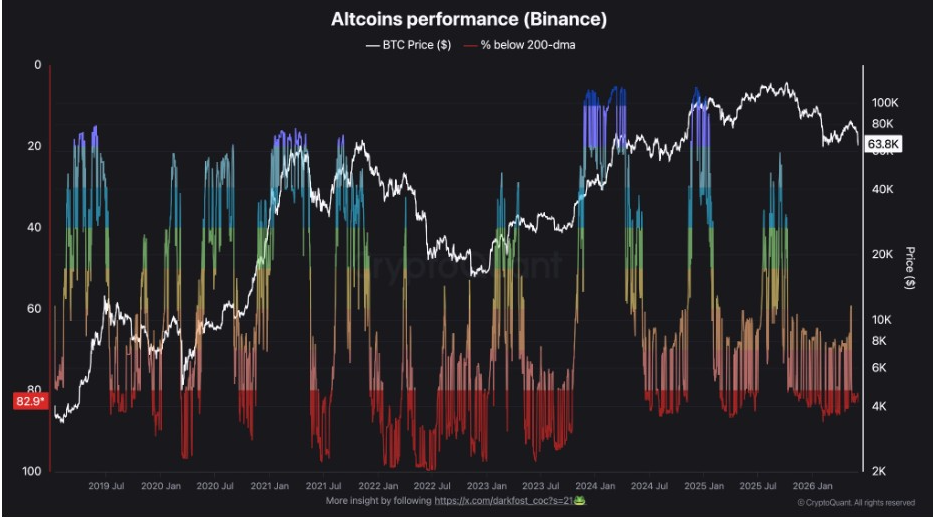
Altcoin Market Loses $520B as 83% Trade Below 200-Day Average


Trending News
More24/7 Live News
MoreQuick Reads
More
