BitcoinWorld Why is the Crypto Market Crashing? Understanding the September 2025 Downturn The cryptocurrency market has entered a period of significant turbulence, commonly referred to by analysts as “Red September 2025.” As of September 25, 2025, the global crypto market capitalization has seen a sharp decline, with over $162 billion wiped out in a short period. This downturn is not caused by a single event but is a perfect storm of macroeconomic headwinds, market-specific vulnerabilities, and recurring seasonal trends. For investors, understanding these factors is critical for navigating the current volatility.     What Are the Key Factors Driving the Crypto Market Crash? The recent crash is a result of several interconnected issues that have collectively put downward pressure on the entire cryptocurrency ecosystem. These factors are influencing everything from Bitcoin (BTC) and Ethereum (ETH) to smaller altcoins like Solana (SOL) and Dogecoin (DOGE). Macroeconomic Pressures: A strengthening U.S. dollar is a primary driver. As the dollar gains momentum and is sought after as a safe-haven asset during geopolitical tensions, investor appetite for riskier assets like cryptocurrency wanes. Disappointing U.S. jobs reports and broader economic concerns have also contributed to a “risk-off” sentiment. Massive Liquidations from Leveraged Trading: The market has experienced a cascade of liquidations exceeding $1.65 billion. High levels of leveraged trading positions meant that even a small price decline triggered massive sell-offs as traders were forced to close their positions, which amplified the initial downward momentum. Regulatory Uncertainty: Ongoing debates and proposed regulations in key markets like the U.S. and E.U. concerning crypto exchanges and anti-money laundering measures have introduced significant market volatility and investor caution. The “September Effect” Seasonal Trend: Historically, September has been a weak month for Bitcoin and the broader crypto market, a phenomenon sometimes called the “September curse.” This recurring pattern often leads to lower trading volumes and technical selling pressures, which can make the market more susceptible to downturns.     How Have Major Cryptocurrencies Performed in the Downturn? The market-wide sell-off has hit major cryptocurrencies, reversing some of the gains seen earlier in the year. Bitcoin (BTC): The largest cryptocurrency, Bitcoin, has fallen below $112,000 from recent highs above $122,000. Much of this decline is attributed to heavy liquidations in the futures market, where a massive amount of leveraged bets were wiped out. As of September 25, 2025, Bitcoin is trading near the $111,000-$112,000 range. Ethereum (ETH): Ethereum has also experienced a significant drop, falling below $4,200 from its recent peaks. The second-largest crypto is particularly sensitive to market pressures because of its deep integration with the Decentralized Finance (DeFi) ecosystem. Altcoins: While some major altcoins like Solana and Dogecoin have also experienced pressure, the sell-off has been widespread, affecting the entire market and shrinking the global crypto market capitalization to approximately $3.80 trillion. What Is the Current Market Sentiment and Outlook? The current market sentiment, as reflected by the Crypto Fear and Greed Index, has shifted toward “fear,” indicating that investors are becoming more cautious and risk-averse. Despite this short-term negativity, the long-term outlook remains cautiously optimistic for several reasons. Institutional Confidence: Analysts note that institutional inflows into the crypto market remain strong despite the recent sell-off, which signals long-term confidence in the asset class. Strong Fundamentals: Ongoing network upgrades and the continued expansion of ecosystems like Ethereum support a longer-term positive view. Natural Market Correction: Many experts view this downturn as a natural and necessary market correction, which can help flush out over-leveraged positions and set the stage for a healthier, more sustainable recovery in Q4 2025 and beyond.   What is the “September Effect” in cryptocurrency? The “September Effect” refers to the historical trend of negative returns for Bitcoin and the broader crypto market during the month of September. This pattern has been observed in multiple years, with September often showing weaker performance than other months. While the exact causes are debated, it is often attributed to seasonal factors like the end of summer trading, profit-taking, and broader market sentiment that contributes to selling pressure, making the market more susceptible to downturns like the one seen in September 2025.   How do liquidations amplify a crypto market crash? Liquidations play a critical role in amplifying a crypto market crash by creating a domino effect of forced selling. When traders use borrowed funds (leverage) to open a position, they risk losing their collateral if the market moves against them. If the price falls to a certain level, the exchange automatically sells their assets to cover the debt, a process known as liquidation. This forced selling adds immense downward pressure to the market, causing prices to fall even further and triggering more liquidations, leading to a cascade effect that can quickly wipe out billions of dollars.   Is the crypto market outlook for 2025 still positive despite the crash? Despite the crash in September 2025, many analysts maintain a positive long-term outlook for the crypto market. While short-term volatility is expected, the underlying fundamentals of the market remain strong. Factors such as continued institutional adoption, ongoing network upgrades, and the normalization of regulatory environments are seen as strong tailwinds for a potential recovery. The current downturn is largely viewed as a necessary correction that could pave the way for a more sustainable and robust rally later in 2025 and beyond. Conclusion The current crypto market crash in September 2025 is a complex event driven by a convergence of global economic factors and crypto-specific market dynamics. While the short-term outlook is cautious, with the Crypto Fear and Greed Index signaling fear, the sell-off is viewed by many as a healthy correction that cleans out excess leverage and repositions the market for future growth. For investors, understanding these drivers is essential to avoid panic selling and to focus on the long-term fundamentals of the market, which remain supported by institutional interest and technological advancements. This post Why is the Crypto Market Crashing? Understanding the September 2025 Downturn first appeared on BitcoinWorld.BitcoinWorld Why is the Crypto Market Crashing? Understanding the September 2025 Downturn The cryptocurrency market has entered a period of significant turbulence, commonly referred to by analysts as “Red September 2025.” As of September 25, 2025, the global crypto market capitalization has seen a sharp decline, with over $162 billion wiped out in a short period. This downturn is not caused by a single event but is a perfect storm of macroeconomic headwinds, market-specific vulnerabilities, and recurring seasonal trends. For investors, understanding these factors is critical for navigating the current volatility.     What Are the Key Factors Driving the Crypto Market Crash? The recent crash is a result of several interconnected issues that have collectively put downward pressure on the entire cryptocurrency ecosystem. These factors are influencing everything from Bitcoin (BTC) and Ethereum (ETH) to smaller altcoins like Solana (SOL) and Dogecoin (DOGE). Macroeconomic Pressures: A strengthening U.S. dollar is a primary driver. As the dollar gains momentum and is sought after as a safe-haven asset during geopolitical tensions, investor appetite for riskier assets like cryptocurrency wanes. Disappointing U.S. jobs reports and broader economic concerns have also contributed to a “risk-off” sentiment. Massive Liquidations from Leveraged Trading: The market has experienced a cascade of liquidations exceeding $1.65 billion. High levels of leveraged trading positions meant that even a small price decline triggered massive sell-offs as traders were forced to close their positions, which amplified the initial downward momentum. Regulatory Uncertainty: Ongoing debates and proposed regulations in key markets like the U.S. and E.U. concerning crypto exchanges and anti-money laundering measures have introduced significant market volatility and investor caution. The “September Effect” Seasonal Trend: Historically, September has been a weak month for Bitcoin and the broader crypto market, a phenomenon sometimes called the “September curse.” This recurring pattern often leads to lower trading volumes and technical selling pressures, which can make the market more susceptible to downturns.     How Have Major Cryptocurrencies Performed in the Downturn? The market-wide sell-off has hit major cryptocurrencies, reversing some of the gains seen earlier in the year. Bitcoin (BTC): The largest cryptocurrency, Bitcoin, has fallen below $112,000 from recent highs above $122,000. Much of this decline is attributed to heavy liquidations in the futures market, where a massive amount of leveraged bets were wiped out. As of September 25, 2025, Bitcoin is trading near the $111,000-$112,000 range. Ethereum (ETH): Ethereum has also experienced a significant drop, falling below $4,200 from its recent peaks. The second-largest crypto is particularly sensitive to market pressures because of its deep integration with the Decentralized Finance (DeFi) ecosystem. Altcoins: While some major altcoins like Solana and Dogecoin have also experienced pressure, the sell-off has been widespread, affecting the entire market and shrinking the global crypto market capitalization to approximately $3.80 trillion. What Is the Current Market Sentiment and Outlook? The current market sentiment, as reflected by the Crypto Fear and Greed Index, has shifted toward “fear,” indicating that investors are becoming more cautious and risk-averse. Despite this short-term negativity, the long-term outlook remains cautiously optimistic for several reasons. Institutional Confidence: Analysts note that institutional inflows into the crypto market remain strong despite the recent sell-off, which signals long-term confidence in the asset class. Strong Fundamentals: Ongoing network upgrades and the continued expansion of ecosystems like Ethereum support a longer-term positive view. Natural Market Correction: Many experts view this downturn as a natural and necessary market correction, which can help flush out over-leveraged positions and set the stage for a healthier, more sustainable recovery in Q4 2025 and beyond.   What is the “September Effect” in cryptocurrency? The “September Effect” refers to the historical trend of negative returns for Bitcoin and the broader crypto market during the month of September. This pattern has been observed in multiple years, with September often showing weaker performance than other months. While the exact causes are debated, it is often attributed to seasonal factors like the end of summer trading, profit-taking, and broader market sentiment that contributes to selling pressure, making the market more susceptible to downturns like the one seen in September 2025.   How do liquidations amplify a crypto market crash? Liquidations play a critical role in amplifying a crypto market crash by creating a domino effect of forced selling. When traders use borrowed funds (leverage) to open a position, they risk losing their collateral if the market moves against them. If the price falls to a certain level, the exchange automatically sells their assets to cover the debt, a process known as liquidation. This forced selling adds immense downward pressure to the market, causing prices to fall even further and triggering more liquidations, leading to a cascade effect that can quickly wipe out billions of dollars.   Is the crypto market outlook for 2025 still positive despite the crash? Despite the crash in September 2025, many analysts maintain a positive long-term outlook for the crypto market. While short-term volatility is expected, the underlying fundamentals of the market remain strong. Factors such as continued institutional adoption, ongoing network upgrades, and the normalization of regulatory environments are seen as strong tailwinds for a potential recovery. The current downturn is largely viewed as a necessary correction that could pave the way for a more sustainable and robust rally later in 2025 and beyond. Conclusion The current crypto market crash in September 2025 is a complex event driven by a convergence of global economic factors and crypto-specific market dynamics. While the short-term outlook is cautious, with the Crypto Fear and Greed Index signaling fear, the sell-off is viewed by many as a healthy correction that cleans out excess leverage and repositions the market for future growth. For investors, understanding these drivers is essential to avoid panic selling and to focus on the long-term fundamentals of the market, which remain supported by institutional interest and technological advancements. This post Why is the Crypto Market Crashing? Understanding the September 2025 Downturn first appeared on BitcoinWorld.

Why is the Crypto Market Crashing? Understanding the September 2025 Downturn

2025/09/25 15:51
5 min read

BitcoinWorld

Why is the Crypto Market Crashing? Understanding the September 2025 Downturn

The cryptocurrency market has entered a period of significant turbulence, commonly referred to by analysts as “Red September 2025.” As of September 25, 2025, the global crypto market capitalization has seen a sharp decline, with over $162 billion wiped out in a short period. This downturn is not caused by a single event but is a perfect storm of macroeconomic headwinds, market-specific vulnerabilities, and recurring seasonal trends. For investors, understanding these factors is critical for navigating the current volatility.


What Are the Key Factors Driving the Crypto Market Crash?

The recent crash is a result of several interconnected issues that have collectively put downward pressure on the entire cryptocurrency ecosystem. These factors are influencing everything from Bitcoin (BTC) and Ethereum (ETH) to smaller altcoins like Solana (SOL) and Dogecoin (DOGE).

  • Macroeconomic Pressures: A strengthening U.S. dollar is a primary driver. As the dollar gains momentum and is sought after as a safe-haven asset during geopolitical tensions, investor appetite for riskier assets like cryptocurrency wanes. Disappointing U.S. jobs reports and broader economic concerns have also contributed to a “risk-off” sentiment.
  • Massive Liquidations from Leveraged Trading: The market has experienced a cascade of liquidations exceeding $1.65 billion. High levels of leveraged trading positions meant that even a small price decline triggered massive sell-offs as traders were forced to close their positions, which amplified the initial downward momentum.
  • Regulatory Uncertainty: Ongoing debates and proposed regulations in key markets like the U.S. and E.U. concerning crypto exchanges and anti-money laundering measures have introduced significant market volatility and investor caution.
  • The “September Effect” Seasonal Trend: Historically, September has been a weak month for Bitcoin and the broader crypto market, a phenomenon sometimes called the “September curse.” This recurring pattern often leads to lower trading volumes and technical selling pressures, which can make the market more susceptible to downturns.


How Have Major Cryptocurrencies Performed in the Downturn?

The market-wide sell-off has hit major cryptocurrencies, reversing some of the gains seen earlier in the year.

  • Bitcoin (BTC): The largest cryptocurrency, Bitcoin, has fallen below $112,000 from recent highs above $122,000. Much of this decline is attributed to heavy liquidations in the futures market, where a massive amount of leveraged bets were wiped out. As of September 25, 2025, Bitcoin is trading near the $111,000-$112,000 range.
  • Ethereum (ETH): Ethereum has also experienced a significant drop, falling below $4,200 from its recent peaks. The second-largest crypto is particularly sensitive to market pressures because of its deep integration with the Decentralized Finance (DeFi) ecosystem.
  • Altcoins: While some major altcoins like Solana and Dogecoin have also experienced pressure, the sell-off has been widespread, affecting the entire market and shrinking the global crypto market capitalization to approximately $3.80 trillion.

What Is the Current Market Sentiment and Outlook?

The current market sentiment, as reflected by the Crypto Fear and Greed Index, has shifted toward “fear,” indicating that investors are becoming more cautious and risk-averse. Despite this short-term negativity, the long-term outlook remains cautiously optimistic for several reasons.

  • Institutional Confidence: Analysts note that institutional inflows into the crypto market remain strong despite the recent sell-off, which signals long-term confidence in the asset class.
  • Strong Fundamentals: Ongoing network upgrades and the continued expansion of ecosystems like Ethereum support a longer-term positive view.
  • Natural Market Correction: Many experts view this downturn as a natural and necessary market correction, which can help flush out over-leveraged positions and set the stage for a healthier, more sustainable recovery in Q4 2025 and beyond.


  • What is the “September Effect” in cryptocurrency?

The “September Effect” refers to the historical trend of negative returns for Bitcoin and the broader crypto market during the month of September. This pattern has been observed in multiple years, with September often showing weaker performance than other months. While the exact causes are debated, it is often attributed to seasonal factors like the end of summer trading, profit-taking, and broader market sentiment that contributes to selling pressure, making the market more susceptible to downturns like the one seen in September 2025.


  • How do liquidations amplify a crypto market crash?

Liquidations play a critical role in amplifying a crypto market crash by creating a domino effect of forced selling. When traders use borrowed funds (leverage) to open a position, they risk losing their collateral if the market moves against them. If the price falls to a certain level, the exchange automatically sells their assets to cover the debt, a process known as liquidation. This forced selling adds immense downward pressure to the market, causing prices to fall even further and triggering more liquidations, leading to a cascade effect that can quickly wipe out billions of dollars.


  • Is the crypto market outlook for 2025 still positive despite the crash?

Despite the crash in September 2025, many analysts maintain a positive long-term outlook for the crypto market. While short-term volatility is expected, the underlying fundamentals of the market remain strong. Factors such as continued institutional adoption, ongoing network upgrades, and the normalization of regulatory environments are seen as strong tailwinds for a potential recovery. The current downturn is largely viewed as a necessary correction that could pave the way for a more sustainable and robust rally later in 2025 and beyond.

Conclusion

The current crypto market crash in September 2025 is a complex event driven by a convergence of global economic factors and crypto-specific market dynamics. While the short-term outlook is cautious, with the Crypto Fear and Greed Index signaling fear, the sell-off is viewed by many as a healthy correction that cleans out excess leverage and repositions the market for future growth. For investors, understanding these drivers is essential to avoid panic selling and to focus on the long-term fundamentals of the market, which remain supported by institutional interest and technological advancements.

This post Why is the Crypto Market Crashing? Understanding the September 2025 Downturn first appeared on BitcoinWorld.

Market Opportunity
RedStone Logo
RedStone Price(RED)
$0.1904
$0.1904$0.1904
+2.25%
USD
RedStone (RED) Live Price Chart
Disclaimer: The articles reposted on this site are sourced from public platforms and are provided for informational purposes only. They do not necessarily reflect the views of MEXC. All rights remain with the original authors. If you believe any content infringes on third-party rights, please contact service@support.mexc.com for removal. MEXC makes no guarantees regarding the accuracy, completeness, or timeliness of the content and is not responsible for any actions taken based on the information provided. The content does not constitute financial, legal, or other professional advice, nor should it be considered a recommendation or endorsement by MEXC.

You May Also Like

CME Group to Launch Solana and XRP Futures Options

CME Group to Launch Solana and XRP Futures Options

The post CME Group to Launch Solana and XRP Futures Options appeared on BitcoinEthereumNews.com. An announcement was made by CME Group, the largest derivatives exchanger worldwide, revealed that it would introduce options for Solana and XRP futures. It is the latest addition to CME crypto derivatives as institutions and retail investors increase their demand for Solana and XRP. CME Expands Crypto Offerings With Solana and XRP Options Launch According to a press release, the launch is scheduled for October 13, 2025, pending regulatory approval. The new products will allow traders to access options on Solana, Micro Solana, XRP, and Micro XRP futures. Expiries will be offered on business days on a monthly, and quarterly basis to provide more flexibility to market players. CME Group said the contracts are designed to meet demand from institutions, hedge funds, and active retail traders. According to Giovanni Vicioso, the launch reflects high liquidity in Solana and XRP futures. Vicioso is the Global Head of Cryptocurrency Products for the CME Group. He noted that the new contracts will provide additional tools for risk management and exposure strategies. Recently, CME XRP futures registered record open interest amid ETF approval optimism, reinforcing confidence in contract demand. Cumberland, one of the leading liquidity providers, welcomed the development and said it highlights the shift beyond Bitcoin and Ethereum. FalconX, another trading firm, added that rising digital asset treasuries are increasing the need for hedging tools on alternative tokens like Solana and XRP. High Record Trading Volumes Demand Solana and XRP Futures Solana futures and XRP continue to gain popularity since their launch earlier this year. According to CME official records, many have bought and sold more than 540,000 Solana futures contracts since March. A value that amounts to over $22 billion dollars. Solana contracts hit a record 9,000 contracts in August, worth $437 million. Open interest also set a record at 12,500 contracts.…
Share
BitcoinEthereumNews2025/09/18 01:39
China Blocks Nvidia’s RTX Pro 6000D as Local Chips Rise
China Blocks Nvidia’s RTX Pro 6000D as Local Chips Rise

The post China Blocks Nvidia’s RTX Pro 6000D as Local Chips Rise appeared on BitcoinEthereumNews.com. China Blocks Nvidia’s RTX Pro 6000D as Local Chips Rise China’s internet regulator has ordered the country’s biggest technology firms, including Alibaba and ByteDance, to stop purchasing Nvidia’s RTX Pro 6000D GPUs. According to the Financial Times, the move shuts down the last major channel for mass supplies of American chips to the Chinese market. Why Beijing Halted Nvidia Purchases Chinese companies had planned to buy tens of thousands of RTX Pro 6000D accelerators and had already begun testing them in servers. But regulators intervened, halting the purchases and signaling stricter controls than earlier measures placed on Nvidia’s H20 chip. Image: Nvidia An audit compared Huawei and Cambricon processors, along with chips developed by Alibaba and Baidu, against Nvidia’s export-approved products. Regulators concluded that Chinese chips had reached performance levels comparable to the restricted U.S. models. This assessment pushed authorities to advise firms to rely more heavily on domestic processors, further tightening Nvidia’s already limited position in China. China’s Drive Toward Tech Independence The decision highlights Beijing’s focus on import substitution — developing self-sufficient chip production to reduce reliance on U.S. supplies. “The signal is now clear: all attention is focused on building a domestic ecosystem,” said a representative of a leading Chinese tech company. Nvidia had unveiled the RTX Pro 6000D in July 2025 during CEO Jensen Huang’s visit to Beijing, in an attempt to keep a foothold in China after Washington restricted exports of its most advanced chips. But momentum is shifting. Industry sources told the Financial Times that Chinese manufacturers plan to triple AI chip production next year to meet growing demand. They believe “domestic supply will now be sufficient without Nvidia.” What It Means for the Future With Huawei, Cambricon, Alibaba, and Baidu stepping up, China is positioning itself for long-term technological independence. Nvidia, meanwhile, faces…
Share
BitcoinEthereumNews2025/09/18 01:37
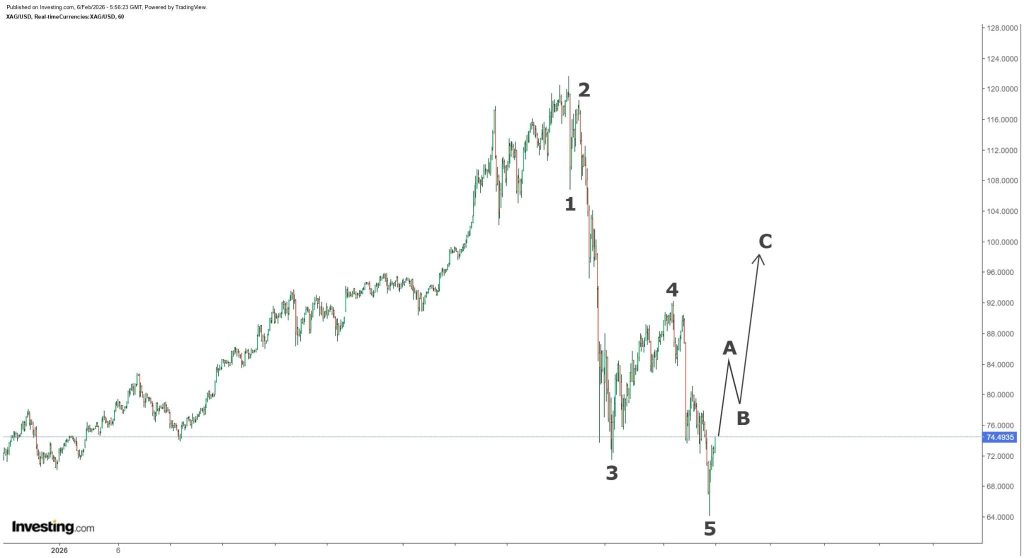
Silver Price Crash Is Over “For Real This Time,” Analyst Predicts a Surge Back Above $90

Silver Price Crash Is Over “For Real This Time,” Analyst Predicts a Surge Back Above $90

Silver has been taking a beating lately, and the Silver price hasn’t exactly been acting like a safe haven. After running up into the highs, the whole move reversed
Share
Captainaltcoin2026/02/07 03:15