

Glovo to invest $77 million in Kenya, opens new headquarters in Nairobi
Spanish delivery platform Glovo has announced plans to invest an additional Sh10 billion, approximately $77 million, in Kenya by 2030, further solidifying the country’s status as one of its most important markets worldwide.
The announcement was made during the launch of the company’s new headquarters in Nairobi, which will serve as a hub for its digital operations in Africa. Glovo co-founder Sacha Michaud highlighted Kenya as one of the company’s most promising markets globally. He emphasized that rapid digital adoption and ongoing expansion beyond the capital city are key factors driving this confidence.
The delivery company plans to invest in Kenya after a successful 2025. Last year, orders increased by 40%, showing that Kenyan consumers are quickly adopting app-based delivery services.
The platform operates in 12 towns and cities across the country, working with over 6,000 merchants. 2,200 active riders operate on the platform daily, alongside more than 600 employees. The company aims to double its workforce to 1,200 employees over the next two years.

Glovo started operating in Kenya in 2019. In under seven years, it has expanded from a food delivery app to a platform that offers groceries, pharmacy products, courier services, beauty items, retail shopping, and pet supplies.
Currently, some of the fastest-growing categories in Kenya are health and beauty products, courier services, and pet supplies. This change shows how consumer behaviour is evolving in Nairobi and other urban areas.
Glovo to shift from food delivery to digital infrastructure
Glovo’s expansion in Kenya highlights a wider trend in Africa. Delivery platforms have evolved from just a way to order late-night food into an important urban infrastructure. They now connect merchants, riders, and consumers within a single app, creating a more integrated digital ecosystem.
This change is due to practical reasons. Restaurant delivery is challenging because of high costs, tough competition, and infrequent customer orders. However, delivering groceries, household items, and pharmacy products encourages more regular app usage, which makes the business model more sustainable.
This approach has already been used by delivery platforms in Asia and Latin America, and Glovo is applying it in East Africa.
 Glovo CEO, Oscar Pierre
Kenya’s digital landscape has enabled this change. The widespread use of M-Pesa has made it easier for app-based businesses to operate by eliminating the problems that cash-only markets create. Glovo has also adjusted its systems to work with the informal addressing used in urban areas, which is a practical issue that many companies overlook when entering African cities.
Artificial intelligence makes operations more efficient. It matches riders with orders, estimates preparation times, optimises delivery routes, and speeds up customer support responses.
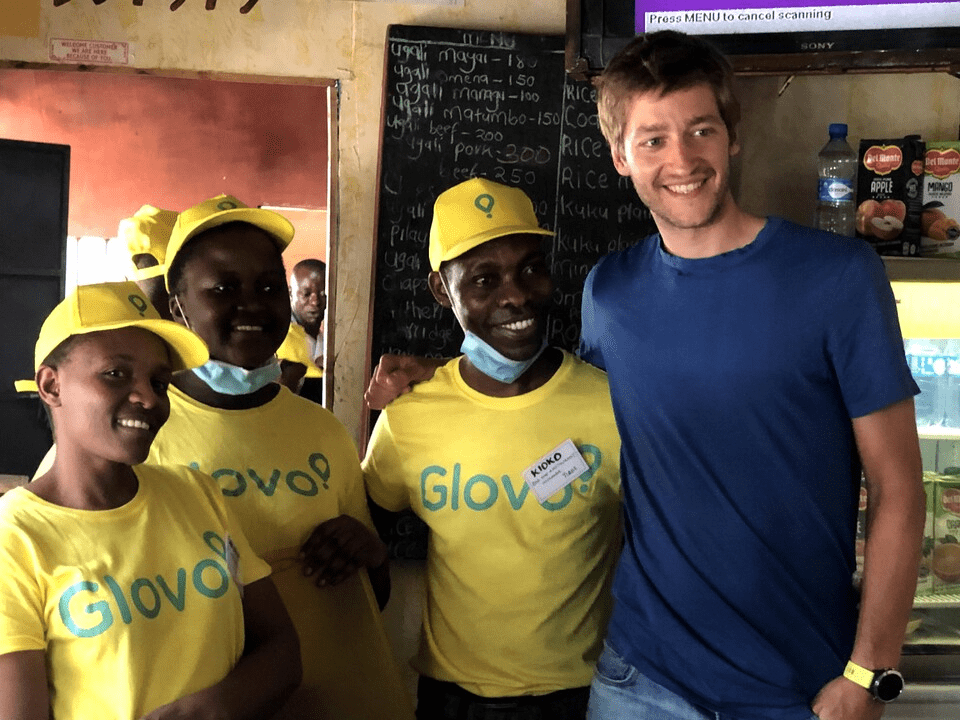 Glovo
Glovo
Kenya’s economy benefits from the expansion of Glovo, especially in terms of jobs. Glovo reports that many of the merchants and riders on its platform are young people. This is important because youth unemployment is a major issue in the country. By doubling its workforce to 1,200 employees and having thousands of active riders each day, the company is becoming a significant part of urban economic activity.
Read also: Glovo riders in Morocco commence 48-hour strike to demand fair pay and better working conditions


You May Also Like
SES Reports 80% Revenue Jump as Aviation Connectivity and Intelsat Merger Drive Q1 Growth

Shai Gilgeous-Alexander, Thunder still perfect in playoffs after sweep of Lakers




