Stablecoin Purchases in Latin America Surpass Bitcoin for First Time: A Shocking Shift in Crypto Adoption
BitcoinWorld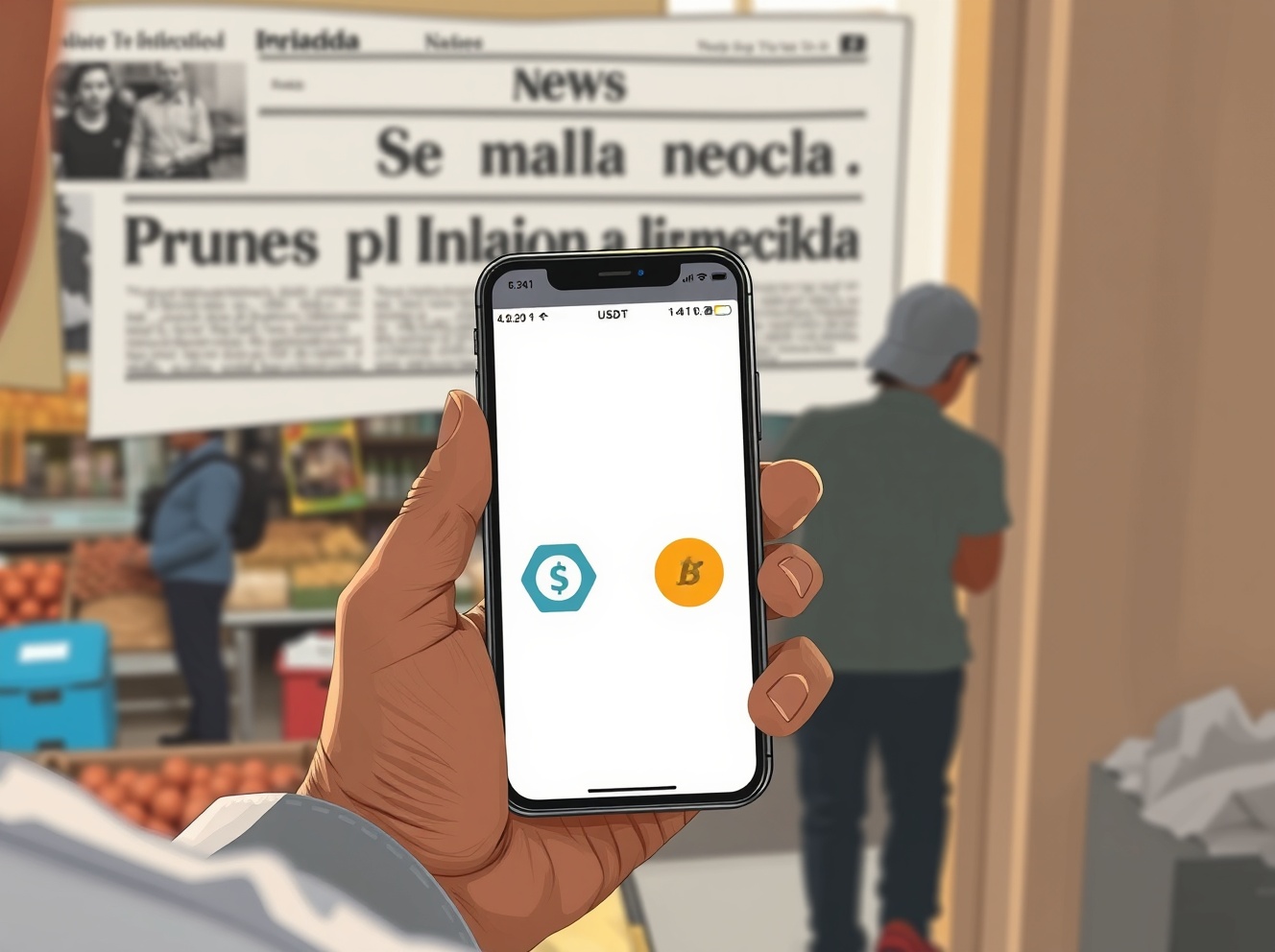
Stablecoin Purchases in Latin America Surpass Bitcoin for First Time: A Shocking Shift in Crypto Adoption
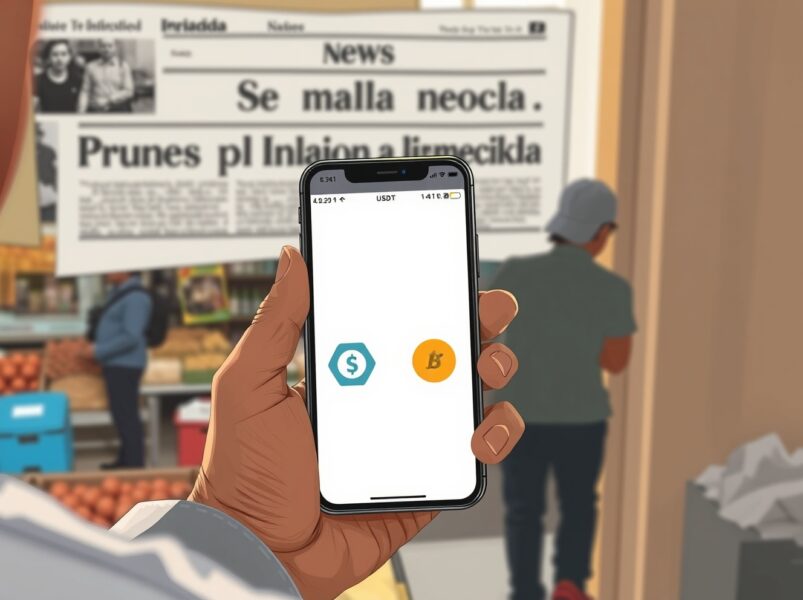
Stablecoin purchases in Latin America have surpassed Bitcoin for the first time. This marks a historic shift in cryptocurrency adoption across the region. A recent report from the local exchange Bitso reveals that dollar-pegged stablecoins like USDT and USDC now dominate the market.
Last year, stablecoins accounted for 40% of all cryptocurrency purchases. In contrast, Bitcoin made up just 18% of transactions. This trend highlights a growing preference for asset preservation and payment utility.
Stablecoin Purchases in Latin America: A New Dominance
The Bitso report provides clear data on this change. Stablecoin purchases in Latin America now lead the market. Users increasingly choose these digital dollars over volatile assets like Bitcoin.
Hyperinflation and currency devaluation drive this behavior. In countries like Argentina and Venezuela, local currencies lose value rapidly. Stablecoins offer a reliable store of value tied to the US dollar.
This shift is not just about speculation. It reflects real-world needs for financial stability. Many residents use stablecoins for everyday transactions and savings.
Why Stablecoins Beat Bitcoin in Latin America
Bitcoin’s price volatility makes it less suitable for daily use. Stablecoins provide price stability. This makes them ideal for payments and remittances.
The report notes that stablecoin usage grew across all demographics. Younger users, in particular, adopt them for cross-border transfers. They avoid traditional banking fees and delays.
Bitso Report: Key Findings on Cryptocurrency Adoption
Bitso’s report analyzes transaction data from millions of users. It covers major markets like Mexico, Brazil, Colombia, and Argentina. The findings show a clear trend toward stablecoin purchases in Latin America.
Key statistics from the report include:
- Stablecoins: 40% of all crypto purchases
- Bitcoin: 18% of purchases
- Other cryptocurrencies: 42% combined
This represents a significant drop from previous years. Bitcoin once dominated the region’s crypto market. Now, stablecoins have taken the lead.
The Role of USDT and USDC in the Region
Tether’s USDT and Circle’s USDC are the most popular stablecoins. They offer easy access to US dollar value. Users can buy, sell, and transfer them quickly.
These tokens are widely accepted on exchanges and wallets. They also integrate with local payment systems. This makes them practical for daily use.
Hyperinflation and Currency Devaluation Drive Adoption
Economic instability is the main driver. In Argentina, inflation exceeds 100% annually. The Argentine peso loses purchasing power daily. Stablecoins provide a hedge against this decline.
Venezuela faces even worse conditions. Hyperinflation has rendered the bolivar nearly worthless. Citizens turn to stablecoins for basic transactions.
This pattern repeats across the region. Stablecoin purchases in Latin America reflect a survival strategy. People protect their savings from local currency collapse.
Real-World Use Cases for Stablecoins
Stablecoins serve multiple purposes in Latin America. They are used for:
- Saving value without bank accounts
- Sending remittances across borders
- Paying for goods and services
- Accessing dollar-denominated assets
This utility drives adoption faster than speculative trading. Users see stablecoins as practical tools, not investments.
Impact on Bitcoin’s Role in the Region
Bitcoin remains important but plays a different role. It is still used for long-term savings and large transfers. However, its volatility limits daily use.
The Bitso report shows Bitcoin’s share declining steadily. This trend may continue as stablecoin infrastructure improves. More merchants and platforms now accept stablecoins.
This does not mean Bitcoin is failing. It simply fills a different niche. Stablecoins handle the everyday payment needs.
Regulatory Environment and Stablecoin Growth
Regulators in Latin America are paying attention. Some countries are creating frameworks for stablecoins. El Salvador already uses Bitcoin as legal tender. Other nations may follow with stablecoin regulations.
Clear rules could boost adoption further. They provide legal certainty for users and businesses. This encourages more widespread use.
Expert Analysis on the Shift to Stablecoins
Industry experts see this as a natural evolution. Cryptocurrency adoption starts with Bitcoin. Then, users discover stablecoins for practical needs.
“Stablecoin purchases in Latin America show how crypto adapts to local conditions,” says one analyst. “Users prioritize stability over speculation.”
This pattern mirrors trends in other emerging markets. Africa and Southeast Asia also see rising stablecoin use. Economic factors drive similar behavior globally.
Comparison with Global Cryptocurrency Trends
Globally, Bitcoin still leads in trading volume. However, stablecoins are catching up fast. In Latin America, they have already overtaken Bitcoin.
This regional difference highlights unique economic pressures. Latin America faces higher inflation than most regions. Stablecoins offer a direct solution to this problem.
Future Outlook for Stablecoins in Latin America
The trend toward stablecoins is likely to continue. More users will adopt them as infrastructure improves. Payment networks and exchanges expand their stablecoin offerings.
Bitcoin will retain its role as a store of value. But stablecoins will dominate transactions. This dual use creates a more mature crypto ecosystem.
The Bitso report predicts further growth. Stablecoin purchases in Latin America could reach 50% of all crypto activity soon. This would cement their position as the leading digital asset in the region.
Challenges and Risks Ahead
Stablecoins are not without risks. They depend on the issuer’s solvency. Regulatory changes could also affect their use.
Users must choose reputable stablecoins like USDT and USDC. These have strong backing and transparency. Lesser-known tokens may carry higher risks.
Conclusion
Stablecoin purchases in Latin America have surpassed Bitcoin for the first time. This marks a pivotal moment in cryptocurrency adoption. The Bitso report confirms that stablecoins now dominate the market.
Hyperinflation and currency devaluation drive this shift. Users choose stablecoins for asset preservation and payments. This trend reflects real-world needs over speculative trading.
As infrastructure and regulation improve, stablecoin use will likely grow. Latin America leads the way in practical crypto adoption. Other regions may follow this model in the future.
FAQs
Q1: Why have stablecoin purchases in Latin America surpassed Bitcoin?
A1: Stablecoin purchases in Latin America have surpassed Bitcoin due to hyperinflation and currency devaluation. Users prefer stablecoins like USDT and USDC for preserving value and making payments, as they are pegged to the US dollar and avoid Bitcoin’s volatility.
Q2: What does the Bitso report say about cryptocurrency adoption in Latin America?
A2: The Bitso report states that stablecoins accounted for 40% of all cryptocurrency purchases in Latin America last year, while Bitcoin made up only 18%. This is the first time stablecoins have led the market, reflecting a shift toward practical, stable assets.
Q3: Which stablecoins are most popular in Latin America?
A3: The most popular stablecoins in Latin America are Tether’s USDT and Circle’s USDC. These dollar-pegged tokens offer easy access to US dollar value and are widely accepted on exchanges and for everyday transactions.
Q4: How does hyperinflation affect cryptocurrency use in Latin America?
A4: Hyperinflation drives users to stablecoins as a hedge against local currency collapse. In countries like Argentina and Venezuela, stablecoins provide a reliable store of value and a practical means for payments, surpassing Bitcoin in daily use.
Q5: Will Bitcoin still be important in Latin America?
A5: Yes, Bitcoin remains important for long-term savings and large transfers. However, its role has shifted as stablecoins take over daily transactions. Both assets coexist, serving different needs in the region’s crypto ecosystem.
This post Stablecoin Purchases in Latin America Surpass Bitcoin for First Time: A Shocking Shift in Crypto Adoption first appeared on BitcoinWorld.


You May Also Like

Talkie-1930: Pre-1931 Giant AI Model

Massive XRP Escrow Unlock: 300 Million XRP Released by Ripple, Impacting Market Liquidity