

US-Iran Deal Faces Critical Six-Month Timeline as Gulf and European Officials Reveal Daunting Negotiation Path
BitcoinWorld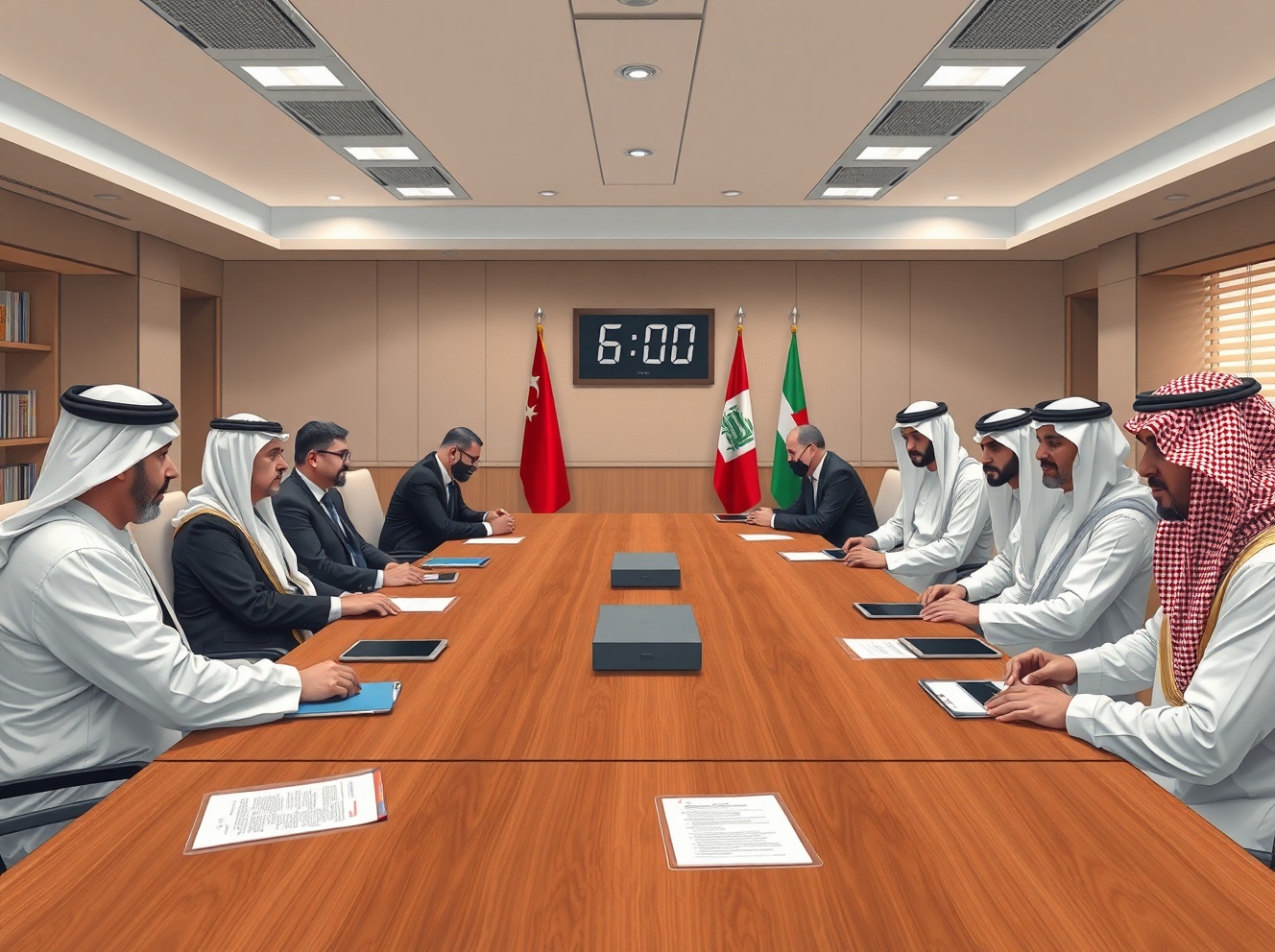
US-Iran Deal Faces Critical Six-Month Timeline as Gulf and European Officials Reveal Daunting Negotiation Path
Diplomatic sources from Gulf Cooperation Council nations and key European capitals indicate in March 2025 that negotiations between the United States and Iran face a challenging six-month timeline before reaching any substantive agreement, a development with profound implications for Middle Eastern stability and global energy security.
US-Iran Deal Timeline Reveals Complex Negotiation Landscape
Multiple officials familiar with ongoing discussions confirm the extended timeframe required for a potential US-Iran agreement. Consequently, this six-month projection reflects the intricate diplomatic landscape currently unfolding. Regional analysts note this timeline aligns with previous complex negotiations involving Tehran. Furthermore, the extended duration suggests significant unresolved issues remain on the table.
Senior diplomats from Qatar, the United Arab Emirates, and Oman have reportedly shared this assessment with their European counterparts. Simultaneously, European Union mediators continue their shuttle diplomacy between Washington and Tehran. The proposed timeline emerges against a backdrop of escalating regional tensions and fluctuating oil prices.
Regional Security Implications for Gulf Nations
Gulf Cooperation Council members maintain particular interest in the negotiation outcomes. Specifically, these nations seek assurances regarding Iran’s regional activities and ballistic missile programs. Moreover, they emphasize the importance of verification mechanisms for any nuclear-related commitments. Regional security experts highlight several critical concerns for Gulf states:
- Maritime Security: Protection of shipping lanes in the Strait of Hormuz
- Proxy Forces: Curbing Iranian support for regional militant groups
- Nuclear Proliferation: Preventing nuclear arms development in the region
- Economic Stability: Maintaining predictable energy markets
These security considerations directly influence the negotiation pace. Additionally, they create complex diplomatic balancing acts for all involved parties.
European Diplomatic Perspectives and Mediation Efforts
European officials from France, Germany, and the United Kingdom provide crucial mediation support. Their involvement stems from continued commitment to the Joint Comprehensive Plan of Action framework. European diplomats emphasize confidence-building measures as essential negotiation components. They also advocate for phased implementation of any eventual agreement.
The European Union’s High Representative for Foreign Affairs coordinates these efforts. This coordination involves regular consultations with both American and Iranian counterparts. European capitals reportedly share the six-month assessment based on current negotiation dynamics. Their analysis considers technical discussions about nuclear enrichment limits and sanctions relief mechanisms.
Technical and Verification Challenges
International Atomic Energy Agency monitoring presents significant technical hurdles. The agency requires comprehensive access to Iranian nuclear facilities. Furthermore, it needs uninterrupted data collection capabilities. These verification requirements contribute substantially to the projected timeline.
| Factor | Estimated Time Required | Primary Challenges |
|---|---|---|
| Technical Verification Protocols | 2-3 months | Facility access, monitoring equipment installation |
| Sanctions Relief Mechanisms | 1-2 months | Banking system coordination, legal frameworks |
| Regional Security Arrangements | 1-2 months | Gulf state consultations, confidence measures |
| Domestic Approval Processes | 1 month | US Congressional review, Iranian parliamentary procedures |
Sanctions architecture represents another complex dimension. The United States maintains extensive economic restrictions against Iran. Consequently, unwinding these measures requires careful legal and financial coordination. Banking institutions need clear guidance before resuming transactions with Iranian entities.
Global Energy Market Considerations
Oil markets demonstrate particular sensitivity to US-Iran negotiation developments. Analysts project potential Iranian oil exports could increase by 1-1.5 million barrels daily following sanctions relief. This increase would significantly impact global supply dynamics. However, market adjustments require predictable implementation timelines.
Major energy companies monitor negotiations closely. They assess potential opportunities in Iran’s substantial hydrocarbon sector. Simultaneously, Gulf oil producers evaluate production strategy adjustments. These evaluations consider potential market share implications of renewed Iranian exports.
Historical Context and Previous Agreement Timelines
The original Joint Comprehensive Plan of Action negotiations required approximately twenty months of intensive diplomacy. That 2015 agreement involved seven nations and addressed similar issues. Current negotiations build upon that framework while addressing subsequent developments. These include Iran’s expanded nuclear capabilities and changed regional dynamics.
Diplomatic historians note that six months represents an ambitious but plausible timeline. It assumes sustained political will from all participating governments. It also presumes no major external disruptions to the negotiation process. Regional conflicts or domestic political changes could potentially extend this timeframe.
Conclusion
The six-month timeline for a US-Iran deal reflects the complex diplomatic, technical, and security challenges facing negotiators. Gulf and European officials provide this assessment based on current negotiation dynamics and historical precedents. Successful agreement implementation would require careful coordination across multiple domains including nuclear verification, sanctions relief, and regional security arrangements. The coming months will test diplomatic capacities while significantly influencing Middle Eastern stability and global energy markets.
FAQs
Q1: Why do Gulf officials believe the US-Iran deal will take six months?
Gulf officials cite complex technical verification requirements, sanctions relief mechanisms, and regional security arrangements as primary factors requiring extensive negotiation and implementation time.
Q2: What role do European diplomats play in these negotiations?
European diplomats serve as crucial mediators, maintaining communication channels between Washington and Tehran while advocating for confidence-building measures and phased implementation of any agreement.
Q3: How would a US-Iran agreement affect global oil markets?
Successful negotiations could enable Iran to increase oil exports by 1-1.5 million barrels daily, potentially affecting global prices and requiring production adjustments from other major producers.
Q4: What are the main security concerns for Gulf states regarding Iran?
Gulf nations primarily worry about Iranian support for regional proxy groups, ballistic missile development, maritime security in the Strait of Hormuz, and broader nuclear proliferation risks.
Q5: How does this timeline compare to previous nuclear negotiations with Iran?
The original 2015 JCPOA negotiations required approximately twenty months, making the current six-month projection ambitious but potentially achievable given existing frameworks and lessons learned.
This post US-Iran Deal Faces Critical Six-Month Timeline as Gulf and European Officials Reveal Daunting Negotiation Path first appeared on BitcoinWorld.


You May Also Like

Crypto Traders On Edge As Korea Stalls Key Law — Is The “Kimchi Premium” At Risk Next?

PMI-ACP Exam Preparation: How to Use a Simulator and Practice Questions Effectively




