

OKX Freezes $40K in Stablecoins After User Buys KYC Accounts — CEO Explains Why
OKX has come under public scrutiny after freezing $40,000 in stablecoins held in accounts purchased from third parties, a move the exchange says was necessary to maintain compliance and user security.
The incident, which drew attention over the weekend, involved a longtime user known as Captain Bunny, who purchased four KYC-verified accounts from other regions in 2023 to participate in OKX’s Jumpstart events, which were unavailable to users in mainland China.
Identity Rules Over On-Chain Records in OKX Account Freeze Case
The user noted that these accounts remained idle for two years, with no other activity besides his transfers of USDG from his main account.
The funds were intended to earn yield through a promotion offering 10% annual interest, and the user described the frozen assets as crucial for covering a family member’s urgent medical expenses.
In a detailed post on X, Captain Bunny recounted his history with OKX, dating back to the platform’s early days as OKCoin in 2014. He emphasized his loyalty, explaining that he had consistently trusted the platform through multiple bull and bear markets.
He described transferring $10,000 USDG at a time from his main account into the four purchased accounts in late 2025, only to find them frozen when he attempted to withdraw the funds.
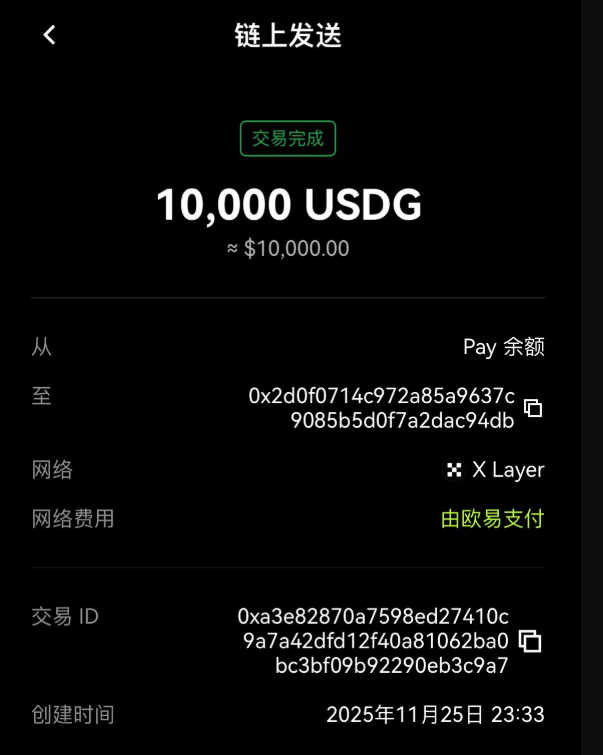 Source: Captain Bunny
The user provided on-chain transfer records, email correspondence, and other proofs of account control to support his claim and appealed for the platform to consider his situation sympathetically, noting the urgency of a family member’s medical needs.
OKX founder and CEO Star Xu responded directly to the situation, defending the exchange’s policies. Xu emphasized that account ownership is determined by registered identity information, not personal statements or social media posts.
He explained that allowing access to an account based on a secondary party’s claim, even one backed by on-chain transaction records, would compromise user asset security and violate regulatory obligations, including anti-money laundering and anti-fraud measures.
Xu added that the accounts involved in buying and selling behavior trigger risk control mechanisms such as facial recognition and identity verification, and funds can only be released if the registered account holder explicitly disclaims ownership, no legal restrictions are present, and the claimant can provide verifiable proof of fund sources.
Buying KYC Accounts? OKX Says Not on Its Watch
OKX’s help desk reinforced this stance, stating that the platform’s services are exclusively for the real-name verified individual associated with each account.
The exchange referenced Section 4.6 of its terms of use, noting that users must be the legal and beneficial owner of any digital assets on the platform and cannot act as an agent for another party.
The user appeal was emotional, but the platform argued that there were no exceptions, and the situation concerns the larger context of KYC in crypto.
The introduction of backdoors to additional use of the accounts would put the integrity of the platforms and regulatory obligations at risk, establishing the possibility of fraud and abuse.
The CEO pointed out that such obligations cannot be defeated by social media pressure or any other appeal by the masses.
The event has led to a broader debate in the crypto community regarding the dangers of buying third-party KYC accounts. The publicly voiced support of the policies of OKX by many investors was based on the necessity to keep the verification of identity and potential abuse prevention.
One user observed that those backdoors might be tempting to commit fraud and disrupt the security of the platform, which highlights the difficulty of the exchanges in reconciling the needs of the users with the requirements of compliance.
추천 콘텐츠

Trouble for US Crypto Reform?

WIF Price Prediction: Targets $0.45 by February Amid Mixed Technical Signals
