

Iran Parliament Speaker Dismisses Israeli Defense Minister Remarks as Nonsense Amid Escalating Tensions
BitcoinWorld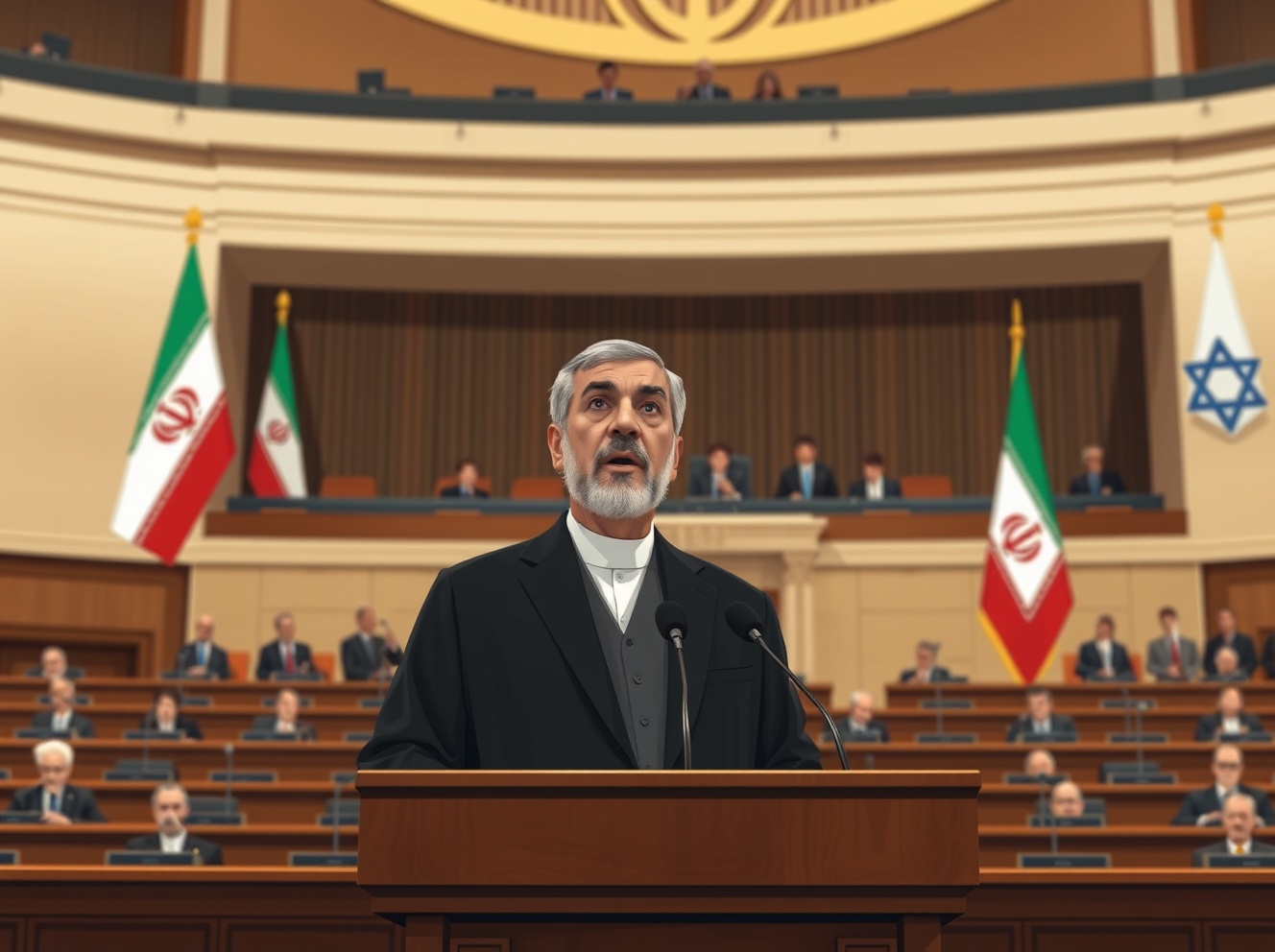
Iran Parliament Speaker Dismisses Israeli Defense Minister Remarks as Nonsense Amid Escalating Tensions
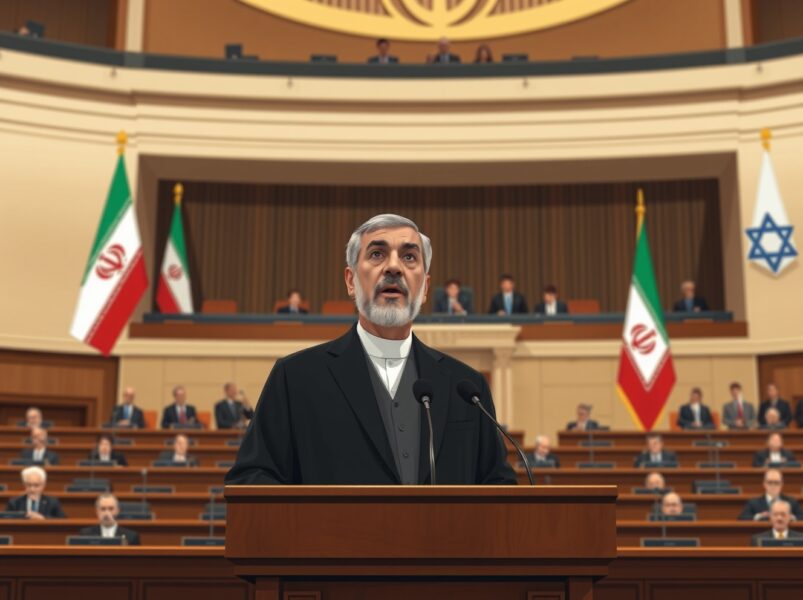
Iranian Parliament Speaker Mohammad Bagher Qalibaf on April 24 dismissed recent remarks by Israeli Defense Minister Israel Katz as nonsense. In a social media post, Qalibaf stated that the reason for the Israeli minister’s anger and comments is Iran’s unity around its leadership, which he claimed has completely thwarted their plots.
Qalibaf Dismisses Israeli Defense Minister Remarks as Nonsense
Qalibaf’s comments followed a video statement from Katz on April 23. In that statement, Katz said Israel was prepared to resume military operations against Iran. Katz claimed Israel is awaiting U.S. approval and is ready to deliver a destructive blow to Iran’s most vulnerable points to completely eliminate the regime.
This exchange marks another escalation in the long-standing tensions between the two nations. The rhetoric from both sides has intensified in recent weeks, raising concerns about potential military confrontation in the region.
Background of Iran-Israel Tensions
The relationship between Iran and Israel has been hostile for decades. Key points of conflict include:
- Nuclear program: Israel views Iran’s nuclear ambitions as an existential threat
- Proxy conflicts: Both nations support opposing sides in Syria, Lebanon, and Yemen
- Cyber warfare: Both countries have engaged in cyberattacks against each other
- Diplomatic isolation: Iran does not recognize Israel’s right to exist
These factors create a volatile environment where verbal threats can quickly escalate into real-world actions.
Analysis of Israeli Defense Minister’s Statement
Israeli Defense Minister Katz’s statement on April 23 was unusually direct. He claimed that Israel is prepared to strike Iran’s most vulnerable points. He also said Israel is awaiting U.S. approval for such operations.
This statement carries significant weight for several reasons:
- It signals potential military action beyond covert operations
- It reveals coordination with the United States on Iran strategy
- It targets the Iranian regime’s survival, not just its nuclear program
Analysts view this as a shift in Israeli policy from containment to potential regime change rhetoric.
Iran’s Response and National Unity
Speaker Qalibaf’s dismissal of Katz’s remarks highlights Iran’s strategy of projecting strength. He emphasized that Iran’s unity around its leadership has thwarted Israeli plots. This narrative is central to Iran’s domestic politics.
Iranian officials often use external threats to rally public support. The government portrays itself as the defender of the nation against foreign aggression. This tactic has been effective in maintaining political stability during economic hardships.
Expert Perspectives on the Escalation
Middle East analysts offer mixed views on the situation. Some believe the rhetoric is primarily for domestic audiences. Others warn that miscalculations could lead to unintended conflict.
Dr. Sarah Miller, a geopolitical analyst at the Institute for Strategic Studies, notes: Both sides are engaging in a dangerous game of brinkmanship. The risk of escalation is real, especially if either party feels cornered or emboldened by perceived weakness from the other.
Historical patterns show that such verbal exchanges often precede periods of heightened military activity. The region has seen similar patterns in 2020 and 2022, which resulted in targeted strikes and increased tensions.
Timeline of Recent Events
Understanding the timeline helps contextualize the current situation:
| Date | Event |
|---|---|
| April 23 | Israeli Defense Minister Katz issues video statement threatening Iran |
| April 24 | Iranian Speaker Qalibaf dismisses remarks as nonsense |
| April 2025 | Ongoing diplomatic efforts by international mediators |
This timeline shows the rapid back-and-forth nature of the current crisis. Each statement from one side triggers an immediate response from the other.
Impact on Regional Stability
The Iran-Israel tensions affect the entire Middle East. Key impacts include:
- Oil prices: Markets react to any threat of conflict in the region
- Proxy forces: Hezbollah and other groups may be drawn into any conflict
- Diplomatic relations: Arab nations with normalized ties to Israel face pressure
- Global security: Major powers like the U.S., Russia, and China watch closely
These factors create a complex web of interests that can either contain or amplify the crisis.
Role of the United States
Katz’s mention of awaiting U.S. approval is significant. The United States remains Israel’s closest ally. However, U.S. policy toward Iran has shifted under different administrations.
Current U.S. officials have not publicly confirmed any pending military operations. The Biden administration has focused on diplomatic solutions, though it maintains military options. Any large-scale Israeli operation against Iran would likely require U.S. support or at least tacit approval.
Conclusion
Iranian parliament speaker dismisses Israeli defense minister remarks as nonsense, reflecting the deep divide between the two nations. Speaker Qalibaf’s response emphasizes national unity as a counter to external threats. Meanwhile, Israel’s Katz signals readiness for military action. The situation remains tense, with both sides engaging in verbal warfare. International observers urge restraint and diplomatic solutions. The coming weeks will determine whether this rhetoric translates into real-world conflict or remains political posturing.
FAQs
Q1: What did Iranian Parliament Speaker Qalibaf say about Israeli Defense Minister Katz’s remarks?
Qalibaf dismissed Katz’s remarks as nonsense, stating that Iran’s unity around its leadership has thwarted Israeli plots.
Q2: What did Israeli Defense Minister Katz threaten in his video statement?
Katz said Israel is prepared to resume military operations against Iran, awaiting U.S. approval to deliver a destructive blow to Iran’s vulnerable points.
Q3: Why are Iran-Israel tensions escalating now?
Multiple factors contribute, including Iran’s nuclear program, proxy conflicts in the region, and shifting geopolitical alliances.
Q4: How does the United States factor into this conflict?
The U.S. is Israel’s primary ally, and Katz mentioned awaiting U.S. approval. The U.S. maintains diplomatic and military options regarding Iran.
Q5: What are the risks of military conflict between Iran and Israel?
Potential risks include regional war, oil price spikes, involvement of proxy forces, and global security implications.
This post Iran Parliament Speaker Dismisses Israeli Defense Minister Remarks as Nonsense Amid Escalating Tensions first appeared on BitcoinWorld.


추천 콘텐츠

Bitcoin Price Wave Down To $40,000 Shows When The Bottom Will Begin

UK FCA May Exempt Crypto Firms from Key TradFi Rules — What’s at Stake?




