What Are Futures Risk Limits?
1. What Is MEXC Futures Risk Limits?
1.1 Definition and Purpose
- Maintain market stability: Prevent large-scale liquidations during extreme market conditions.
- Protect traders' interests: Reduce risks associated with high leverage and help users safeguard their positions.
- Optimize the trading environment: Ensure fairness in the market and prevent imbalances caused by unilateral actions by large traders.
2. How to View Risk Limit Details for Different Futures on MEXC
2.1 MEXC Web
2.2 MEXC App
3. Factors Affecting Risk Limit Tiers
3.1 Leverage Determines the Maximum Position Size
3.2 Maintenance Margin Rate Based on Position Quantity
4. Core Functions of MEXC Futures Risk Limits
4.1 Adjustment of Maximum Leverage
- In stable markets, traders may use leverage as high as 125x on Perpetual Futures.
- In periods of severe volatility, the system may lower the maximum leverage to 50x or below to reduce liquidation risk.
4.2 Adjustment of Position Limits by Tier
- Under higher leverage, position limits are smaller.
- Under lower leverage, position limits are larger.
4.3 Adjustment of Maintenance Margin Rates by Tier
- Stable markets: Maintenance margin rates are lower, allowing users to retain more available funds.
- Volatile markets: Maintenance margin rates are increased, ensuring users maintain sufficient margin to support their positions.
5. Why Are Risk Limits Critical for Traders?
- Reduced liquidation risk: While high leverage can amplify profits, it also magnifies losses. Risk limits dynamically adjust leverage and margin requirements, effectively lowering the probability of liquidation during sharp market swings.
- Optimized capital management: The mechanism helps traders manage positions and margin more prudently, encouraging flexible strategies instead of reckless operations. For example, when leverage is capped, traders must commit more margin, forcing them to plan capital allocation more carefully before entering trades.
- Increased sense of security: Volatile markets often trigger panic among traders. Risk limits add an extra layer of protection, reducing the likelihood of panic-driven liquidations caused by sudden price movements.
- Enhanced market fairness: Risk limits apply equally to both large and small traders, preventing any single participant from exerting outsized influence on prices and ensuring healthier market development.
6. How to Use Risk Limits to Optimize Trading Strategies
- Use appropriate leverage: In highly volatile markets, it is advisable to select lower leverage to reduce risk. Even if higher leverage is available, always choose a level that matches your personal risk tolerance.
- Control position size: Avoid taking oversized positions, especially during periods of high volatility. Set reasonable position sizes based on risk limits to ensure sufficient margin is available for potential top-ups.
- Set stop-loss and take-profit levels: Define clear stop-loss levels before opening a position to minimize uncontrollable losses. At the same time, set realistic take-profit targets to lock in profits when achieved.
- Stay updated with market announcements: MEXC regularly updates risk limit adjustments through official announcements. Traders should monitor these changes closely and adjust their strategies accordingly.
7. Conclusion
Recommended Reading:
- Why Choose MEXC Futures? Gain deeper insight into the advantages and unique features of MEXC Futures to help you stay ahead in the market.
- MEXC Futures Trading Tutorial (App) Understand the full process of trading Futures on the app and get started with ease.

Popular Articles
View More
Oura Competitors: Samsung, Apple and the Smart Ring Market
Oura's competitors fall into three groups, according to its IPO prospectus: smartwatch makers such as Apple, Google and Samsung; fitness wearables such as Garmin, Coros and Whoop; and software-only

Is Oura Profitable? Revenue, Business Model and Valuation
Yes, Oura is profitable on a net income basis. Its IPO prospectus shows net income of $60.8 million on revenue of $1.21 billion in the nine months to June 30, 2026. The $924.3 million loss in some

Bitget Review 2026: 3.8 Out of 5, the Deepest Copy-Trading Shelf, and a Japan Exit With Three Dates You Need
Bitget scores 3.8 out of 5 on our six-dimension scorecard as of 25 September 2026, leading on derivatives, holding a provisional 3.5 on security after the hot-wallet incident of about $351.6 million

Trending News
View More
Weak Jobs Report Eases Fed Fears, But AI Stocks Still Slide: What Traders Should Watch Next
The U.S. June jobs report signaled a clear economic slowdown, missing expectations and lowering Federal Reserve rate hike fears. Despite lower Treasury yields, AI and tech stocks slid, proving that ma

OpenAI Revenue Gap: Why Is the Latest Figure $20 Billion Lower?
OpenAI’s reported annualized revenue is $20 billion below earlier headlines. Here is what caused the gap and why it matters for its valuation.

Related Articles
View More
The Complete Guide to Coin-M Perpetual Futures on MEXC
In cryptocurrency derivatives, Futures trading enables investors to apply leverage to increase potential returns and to take positions in both rising and falling markets. MEXC offers two primary types
What Is the Long/Short Ratio? How to View Long/Short Ratio Data in Futures Trading?
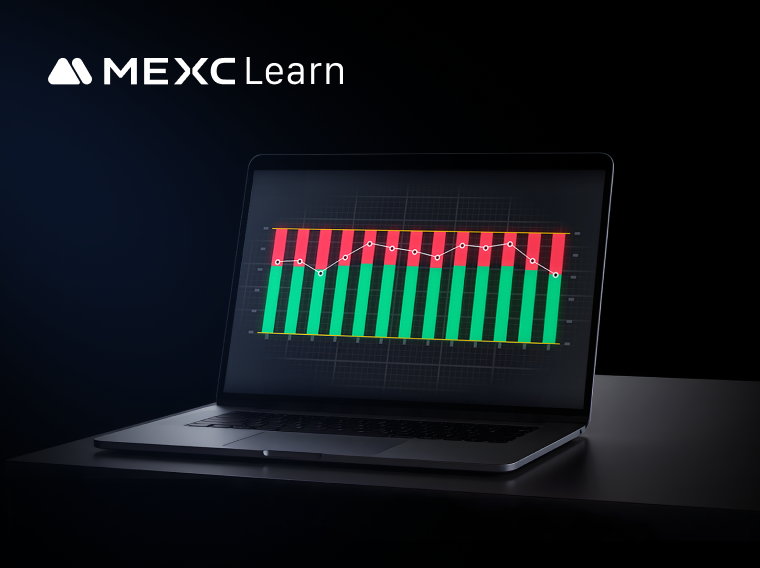
BSL refers to long/short closing data. Currently, on the MEXC platform, both candlestick charts and line charts in Futures trading support the display of historical order data for long/short ratios. I
Why Choose MEXC Futures?
Cryptocurrency futures trading has attracted countless investors with its promise of high leverage and high returns. Choosing the right exchange is the first step on the journey to successful futures