

Is USDT Safe? A Complete Guide to Tether's Reserves, Audits & Regulatory Compliance in 2026
Key Takeaways
- The Core Question: Is USDT safe? Yes, with important considerations. Tether has substantially shifted its reserves toward US Treasuries (considered risk-free) to address critics' concerns.
- The Audit Upgrade: Unlike 2021, Tether now publishes daily reserve attestations audited by leading firms like BDO Italia.
- Global Regulatory Framework:
- EU: Fully compliant with the stringent MiCA regulation.
- US: Operates under rigorous oversight by the CFTC and NYAG.
- Your Risk: The primary risk isn't fraud; it's regulatory freeze. Centralized issuers can freeze funds when compelled by law enforcement.
Introduction: Navigating the "Tether FUD"
1. The "Reserves" Controversy: What Backs Your USDT?
Past vs. Present (2026)
- The Past (2017-2021): Tether held a mix of commercial paper (corporate debt) and cash equivalents. Critics argued this composition was risky.
- The Present (2026): Tether has strategically pivoted.
- Over 80% of reserves now consist of US Treasury Bills (short-term government debt).
- Gold & Bitcoin: A small percentage is allocated to diversified assets.
- Surplus Equity: Tether maintains billions in excess reserves (retained earnings) as a buffer against market volatility.
2. Global Regulatory Landscape: Where Is USDT Legal?
2.1 European Union (The MiCA Standard)
- Status: Compliant
- Impact: MiCA mandates that stablecoin issuers maintain 1:1 liquid reserves and provide 1-day redemption rights. Tether has adjusted its EU operations to meet these stringent capital requirements.
- Bottom Line: For EU users, MiCA-compliant stablecoins like USDT offer enhanced safety.
2.2 United States (Under Close Scrutiny)
- CFTC (Commodity Futures Trading Commission): Classifies USDT as a commodity.
- OFAC (Office of Foreign Assets Control): Tether actively cooperates with the FBI and the Secret Service to freeze wallets associated with illicit activity.
- External Authority: Learn how blockchain intelligence firms like Chainalysis track illicit funds to ensure regulatory compliance.
2.3 Asia (The Adoption Hub)
- Hong Kong & Singapore: Maintain clear licensing frameworks for stablecoin issuers.
- Usage: In Asia, USDT serves not only trading purposes but also facilitates cross-border payments for import/export businesses.
3. The Real Risks: Censorship & De-Pegs
Risk 1: The "Freeze" Function (Reality Check)
- Total Frozen Assets: Tether has blacklisted over 7,800 addresses on Ethereum and frozen an impressive $3.29 billion USDT globally across all chains.
- Tron vs. Ethereum: While Ethereum has more blacklisted addresses, the Tron network accounts for the majority of frozen value(~$1.75 billion), reflecting its extensive use in cross-border transactions.
- Major Enforcement Actions:
- June 2025: Tether assisted the US Secret Service in freezing $225 million linked to an international human trafficking and "pig butchering" syndicate.
- January 2026: An additional $182 million was frozen across just 5 Tron wallets following formal law enforcement requests.
Risk 2: Temporary De-Pegs
- Why? Liquidity constraints on exchanges.
- Outcome: Tether has consistently honoured redemptions at $1.00 through its primary portal, rapidly restoring the peg.
4. Future Outlook: CBDCs vs. USDT
- Likely Scenario: No. CBDCs (such as a Digital Dollar) will primarily serve inter-bank settlement purposes.
- USDT's Role: It will continue serving as the "lubricant" of the crypto market due to its permissionless nature (accessible to anyone) and deep integration into DeFi.
5. Frequently Asked Questions (FAQ)
Conclusion
Disclaimer:

Popular Articles
View More
Oura Competitors: Samsung, Apple and the Smart Ring Market
Oura's competitors fall into three groups, according to its IPO prospectus: smartwatch makers such as Apple, Google and Samsung; fitness wearables such as Garmin, Coros and Whoop; and software-only

Is Oura Profitable? Revenue, Business Model and Valuation
Yes, Oura is profitable on a net income basis. Its IPO prospectus shows net income of $60.8 million on revenue of $1.21 billion in the nine months to June 30, 2026. The $924.3 million loss in some

Bitget Review 2026: 3.8 Out of 5, the Deepest Copy-Trading Shelf, and a Japan Exit With Three Dates You Need
Bitget scores 3.8 out of 5 on our six-dimension scorecard as of 25 September 2026, leading on derivatives, holding a provisional 3.5 on security after the hot-wallet incident of about $351.6 million

Trending News
View More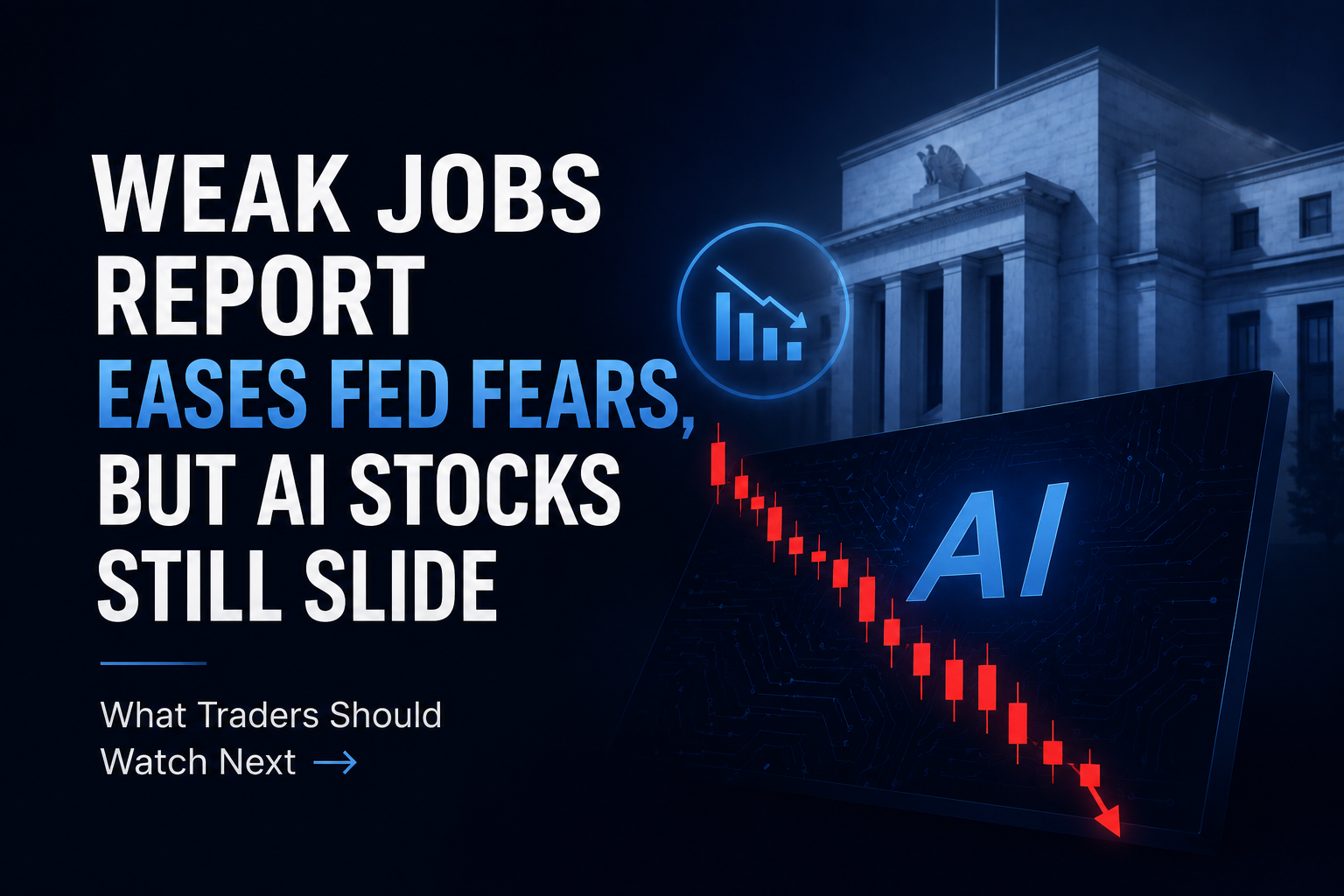
Weak Jobs Report Eases Fed Fears, But AI Stocks Still Slide: What Traders Should Watch Next
The U.S. June jobs report signaled a clear economic slowdown, missing expectations and lowering Federal Reserve rate hike fears. Despite lower Treasury yields, AI and tech stocks slid, proving that ma
Why Is ZEC Rising? Zcash Rebounds as Quantum-Security Narrative Gains Attention
ZEC gained 10.08% in 24 hours as MEXC trading activity accelerated and Zcash’s post-quantum payment plan attracted market attention.

Related Articles
View More
Dogecoin Marketcap Explained: What It Means and How It Shapes DOGE's Value
Key TakeawaysMarket capitalization (market cap) measures the total dollar value of Dogecoin (DOGE), calculated as current price × circulating supply.As of December 2025, Dogecoin's market cap stands a

How Tether Maintains Its 1:1 Peg: Mechanics of USDT Reserves
Tether (USDT) is a stablecoin pegged 1:1 to the US Dollar, meaning each USDT is backed by an equivalent amount of reserves. Tether maintains its peg by holding a mix of fiat assets, cash equivalents,

Dogecoin Security Basics: Common Scams Targeting DOGE Holders and How to Avoid Them
Dogecoin (DOGE) has transformed from an internet meme into a legitimate financial asset. However, its mainstream visibility is a double-edged sword: while it drives adoption, it also attracts sophisti







