

One Pay’s Strategic Expansion: Walmart-Backed Platform Adds SUI, POL, ARB for Revolutionary Payments

BitcoinWorld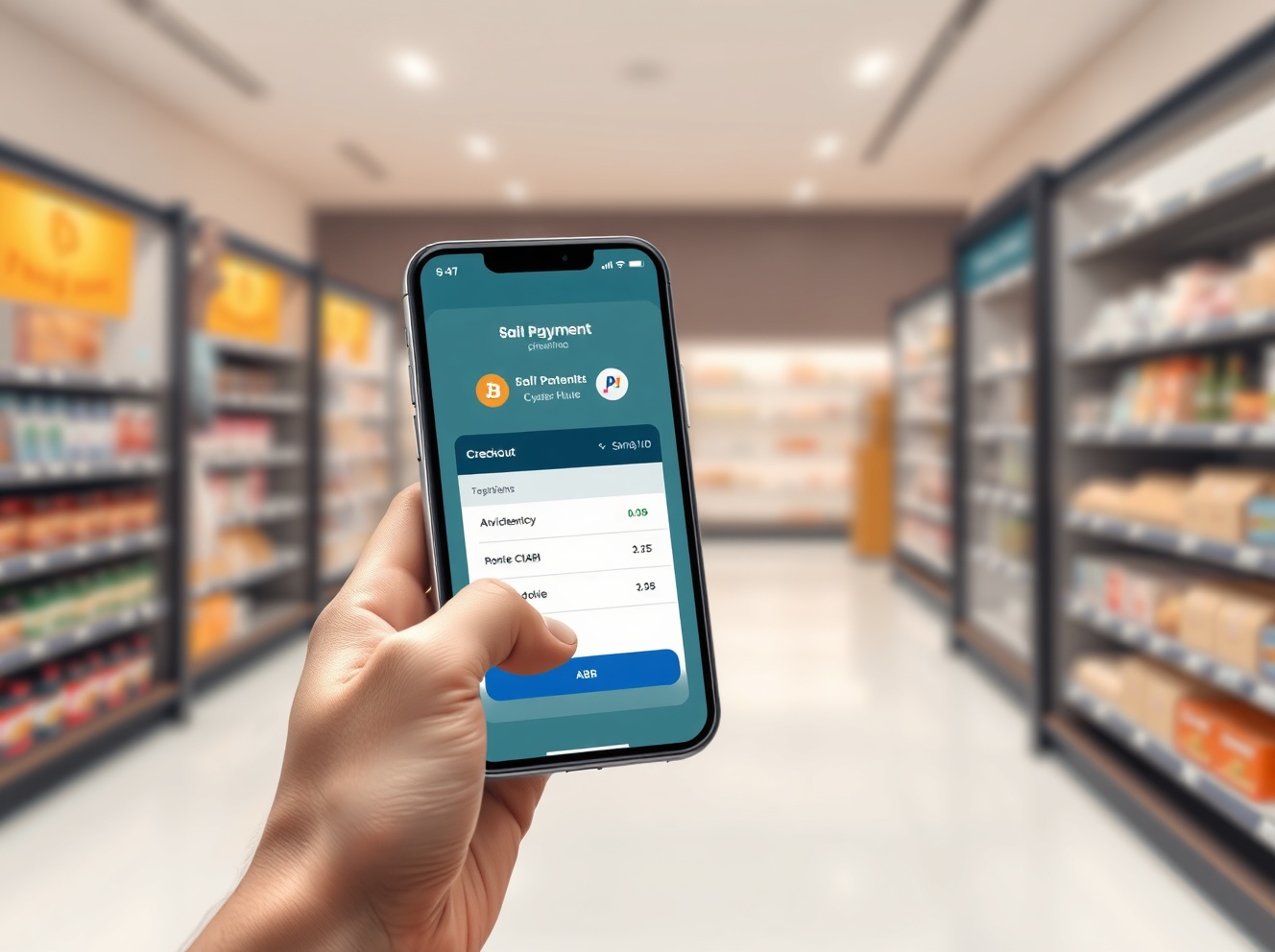
One Pay’s Strategic Expansion: Walmart-Backed Platform Adds SUI, POL, ARB for Revolutionary Payments
In a significant move for mainstream cryptocurrency adoption, the Walmart-backed fintech platform One Pay has strategically integrated SUI, POL, and ARB as new payment methods, signaling a pivotal shift in how digital assets facilitate retail transactions. This expansion, reported by Cointelegraph on March 21, 2025, builds upon the platform’s existing support for ten other prominent tokens, including Solana (SOL) and Cardano (ADA). Consequently, this development underscores a growing corporate confidence in blockchain-based payment infrastructure and its potential to reshape consumer finance.
One Pay’s Crypto Integration Strategy Deepens
The addition of SUI, POL, and ARB represents a calculated expansion of One Pay’s digital asset portfolio. Previously, the platform established a foundation with major tokens like SOL and ADA. This latest integration specifically incorporates assets from three distinct and influential blockchain ecosystems: Sui, Polygon, and Arbitrum. Therefore, One Pay is not merely adding cryptocurrencies; it is systematically embracing the layer-1 and layer-2 networks that are driving scalability and user adoption. This approach provides consumers with direct exposure to the utility of these specific networks through spendable assets. Moreover, it offers merchants access to a broader, potentially more tech-savvy customer base.
From a technical perspective, each new token brings unique attributes to the payment rail. The Sui network’s SUI token leverages a novel object-centric model for high-speed transactions. Similarly, Polygon’s POL token sits at the heart of a vast ecosystem of Ethereum-scaling solutions. Meanwhile, Arbitrum’s ARB token governs the leading Ethereum layer-2 rollup. By supporting these assets, One Pay’s infrastructure must handle the distinct transaction finality and fee structures of each underlying blockchain. This technical diversification strengthens the platform’s resilience and versatility in the rapidly evolving Web3 landscape.
The Walmart Connection and Retail Implications
Walmart’s position as a major shareholder in One Pay provides critical context for this development. The retail giant has a long history of exploring blockchain technology for supply chain management. However, its backing of a consumer-facing crypto payment platform marks a more direct foray into digital asset utilization. This move aligns with broader retail trends where major brands are gradually testing crypto payments to attract new demographics and streamline cross-border sales. While Walmart stores in the United States do not yet directly accept these tokens, One Pay’s evolution creates a foundational payment layer that could eventually be integrated at point-of-sale systems. The strategic implication is clear: a major traditional retailer is building optionality for a crypto-native future.
Analyzing the Impact on SUI, POL, and ARB Ecosystems
The inclusion of these three tokens as payment methods carries tangible implications for their respective communities and market positions. Primarily, it enhances their utility beyond speculative trading and decentralized finance (DeFi) activities. A token that can be used to purchase everyday goods and services gains a fundamental use case that can drive organic demand. For the Sui, Polygon, and Arbitrum networks, this represents a vote of confidence from a regulated fintech entity with substantial corporate backing. It validates their technology as sufficiently mature, secure, and user-friendly for mainstream financial applications.
Furthermore, this development could influence tokenomics and holder behavior. Typically, payment use cases encourage holding and spending, potentially reducing volatile sell pressure compared to assets used purely for governance or yield farming. The table below summarizes the core value proposition each token brings to the One Pay platform:
| Token | Native Network | Key Network Attribute for Payments |
|---|---|---|
| SUI | Sui | High throughput and low latency via parallel transaction processing. |
| POL | Polygon | Ethereum compatibility with significantly lower transaction fees. |
| ARB | Arbitrum | Scalable Ethereum security with a large existing DeFi ecosystem. |
Industry analysts note that such integrations are crucial for bridging the gap between blockchain innovation and real-world commerce. “When a platform with institutional backing like One Pay adds specific tokens, it’s a signal of their perceived long-term viability and functional utility,” observed a fintech analyst from a major consulting firm. This sentiment is echoed by developers within the Sui, Polygon, and Arbitrum ecosystems, who see payment adoption as a key metric for mainstream success.
The Evolving Landscape of Crypto Payments
One Pay’s expansion occurs within a broader context of increasing experimentation with crypto payments. However, significant challenges remain, including price volatility, regulatory clarity, and user experience hurdles. One Pay’s model likely involves instant conversion to fiat currency for merchants, shielding them from crypto market fluctuations. This is a common approach used by other payment processors to mitigate risk. The platform’s success will depend on several factors:
- Transaction Speed and Cost: Ensuring near-instant finality with minimal fees.
- Regulatory Compliance: Navigating evolving global regulations on digital asset transfers.
- User Education: Simplifying the process for consumers unfamiliar with crypto wallets.
- Merchant Adoption: Incentivizing businesses to enable these new payment options.
Compared to its previous additions of SOL and ADA, the integration of SUI, POL, and ARB suggests a focus on newer generation networks designed with scalability in mind from the outset. This indicates a forward-looking strategy by One Pay’s technical team, prioritizing infrastructure that can handle high transaction volumes expected in retail environments. Meanwhile, the regulatory landscape continues to evolve, with jurisdictions like the European Union implementing comprehensive frameworks like MiCA (Markets in Crypto-Assets), which may provide clearer operating guidelines for platforms like One Pay.
Conclusion
One Pay’s decision to add SUI, POL, and ARB as payment methods, backed by shareholder Walmart, marks a notable advancement in the integration of cryptocurrency with traditional commerce. This move extends utility for three prominent blockchain tokens and reflects a strategic bet on the scalability of their underlying networks. While hurdles for mass adoption persist, such institutional-grade integrations are essential steps toward a future where digital assets function seamlessly as a medium of exchange. The evolution of One Pay’s platform will be a critical case study in whether crypto payments can move beyond a niche offering to become a viable, widespread alternative for consumers and merchants alike.
FAQs
Q1: What is One Pay and who owns it?
One Pay is a fintech company that provides digital payment services. Walmart Inc. is a major shareholder in the company, giving it significant strategic influence, though One Pay operates as a separate entity.
Q2: Can I use SUI, POL, or ARB to shop at Walmart stores now?
Not directly. This integration is for the One Pay platform. While it builds the infrastructure, direct acceptance at Walmart’s physical or online checkout would require a separate integration. This move is seen as a foundational step toward that potential future.
Q3: Why did One Pay choose SUI, POL, and ARB specifically?
These tokens represent leading and scalable blockchain networks (Sui, Polygon, Arbitrum). Their selection suggests One Pay prioritizes fast, low-cost transaction technology that can handle retail payment volumes, moving beyond just the largest cryptocurrencies by market cap.
Q4: How does this benefit holders of SUI, POL, or ARB?
It increases the utility of these tokens by providing a real-world spending use case. This can enhance organic demand and demonstrate the practical application of the underlying blockchain technology beyond speculative trading.
Q5: Are crypto payments like this safe for consumers and merchants?
Platforms like One Pay typically use instant conversion systems. This means a consumer pays in crypto, but the merchant immediately receives fiat currency, eliminating their exposure to crypto price volatility. Security relies on the platform’s robust cybersecurity measures and compliance with financial regulations.
This post One Pay’s Strategic Expansion: Walmart-Backed Platform Adds SUI, POL, ARB for Revolutionary Payments first appeared on BitcoinWorld.
You May Also Like
The Role of Reference Points in Achieving Equilibrium Efficiency in Fair and Socially Just Economies
![[OPINION] As Middle East imports dry up, restore open access to bio-fertilizers technology](https://www.rappler.com/i.ytimg.com/vi/SDbcBUZM93I/hqdefault.jpg)
[OPINION] As Middle East imports dry up, restore open access to bio-fertilizers technology


