

Why Bitcoin Is Deflating and How It Affects All of Us
Cryptsy - Latest Cryptocurrency News and Predictions
Cryptsy - Latest Cryptocurrency News and Predictions - Experts in Crypto Casinos
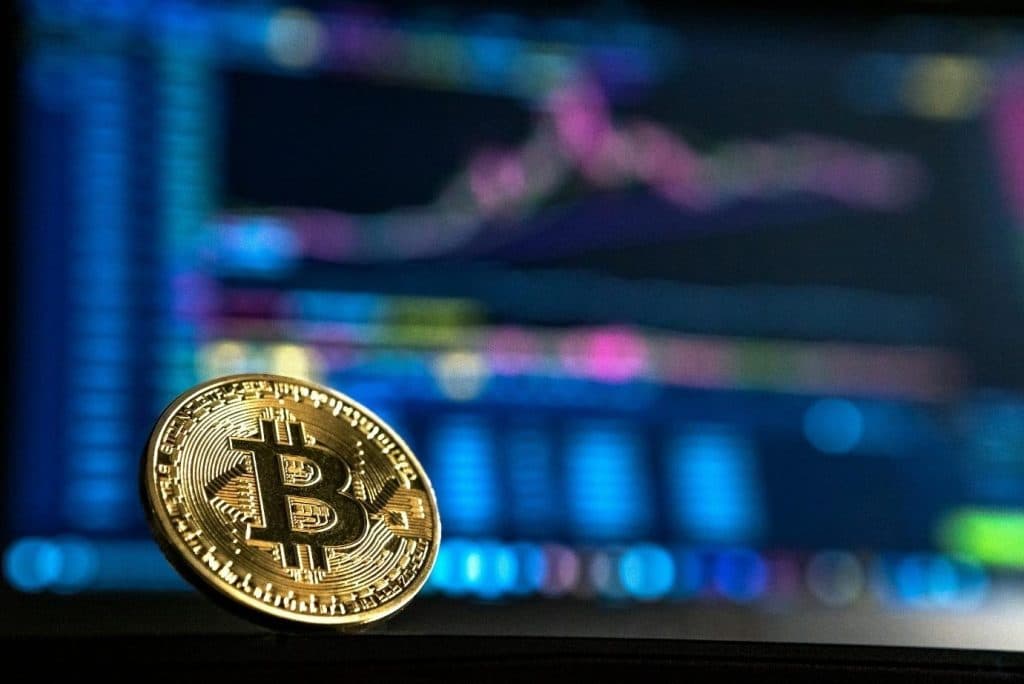
Bitcoin’s recent deflationary shift is doing more than just changing the price charts. It is starting to affect how the whole ecosystem operates. Fewer coins are circulating, transaction patterns are changing, and everyone is adjusting to a market where liquidity feels a bit tighter. Usually, when we hear deflation in the regular economy, we assume things are slowing down. But with Bitcoin, it is more complicated. In many ways, this is just what it looks like when the network starts to mature.
The Shrinking Supply Narrative
We know Bitcoin was built to be scarce. The hard cap of 21 million coins ensures it can’t be inflated like regular cash. But the supply is actually shrinking faster than the code dictates. Between the halving events and the reality of lost passwords or dormant wallets, a lot of Bitcoin is effectively gone forever.
On top of that, big institutions and ETFs are buying up large reserves and taking them out of circulation. They aren’t trading these coins; they are parking them. This creates a cycle where there is less Bitcoin available for day-to-day buying and selling, which supports the price but makes the market feel a bit more rigid.
The Behavioral Shift: Spending Less, Holding More
This changes the psychology of the people holding the coins. If you believe your Bitcoin will be worth significantly more next month, you are much less likely to spend it today. You hold onto it. That hesitation mirrors what happens in traditional economies during deflation; saving becomes more attractive than spending.
For businesses trying to use crypto for actual payments, this makes things tricky. They have to handle slower pacing and figure out pricing models that can adapt quickly to volatility.
It is interesting to see how this changes user habits. We are seeing a shift toward quick, high-frequency interactions rather than long, drawn-out usage. It is similar to how players approach fast-paced slot games where speed and precision matter more than how long you stay at the table. Users are adapting to the scarcity by being faster and more strategic with their movements.
Market reactions and Real-life Implications
The market is responding by building new roads. As the main network gets tighter, we are seeing a surge in Layer 2 solutions like the Lightning Network.
These tools handle the speed and small transactions that the main layer can’t easily support right now. Traders are also diversifying into stablecoins to balance their risk. This shows us that the activity isn’t stopping; it is just moving to places that can handle the new tempo.
Ultimately, this comes down to finding a balance. We need to see if scarcity can support the value of Bitcoin without stopping people from actually using it. The economy thrives on movement, whether that is transactions or new markets opening up.
This deflationary period is redefining what digital wealth looks like and challenging us to figure out how to keep the value flowing even when the supply is locked down. It comes down to new entrants and how the utility of the network evolves. A deflationary environment is great for retaining value, but we still need to encourage circulation if we want to sustain innovation.
The Equilibrium Question
Miners, developers, and platforms are constantly experimenting with methods to keep the network fluid. You see tokenized incentives, liquidity pooling, and off-chain solutions aiming to counterbalance the slowing effects of deflation. Each adaptation, whether it works out or not, contributes to a more resilient network architecture. It is about building a system capable of maintaining energy even when the supply tightens.
At its core, Bitcoin’s deflation is not a flaw. It is a reflection of intent. Satoshi Nakamoto’s design prizes scarcity as a form of purity because value is earned through mathematical certainty rather than monetary expansion. Yet as the ecosystem widens, users must constantly recalibrate how they participate within that constraint.
We’re Still Writing…
Deflation doesn’t end Bitcoin’s story; it deepens it. Investors, developers, and everyday network users are reshaping their habits around a digital asset that grows stronger by becoming rarer. In doing so, they are testing the capacity of decentralized systems to support real-world economic activity without traditional inflationary levers.
Whether one trades, holds, or builds on Bitcoin, deflation is more than just a chart anomaly. It is a live experiment in digital scarcity playing out across blockchains, markets, and human behavior alike. And unlike most economic studies, this one isn’t conducted in theory. It happens in real time, one block at a time.
The post Why Bitcoin Is Deflating and How It Affects All of Us first appeared on Cryptsy - Latest Cryptocurrency News and Predictions and is written by Ethan Blackburn
You May Also Like

TransFi Secures Pivotal $19.2M Funding to Revolutionize Global Stablecoin Payments

Fan Token Firm Chiliz Acquires 2-Time ‘Dota 2’ Champions, OG Esports


