

Compliance is the New Currency of Nigerian Banking

In the traditional halls of Nigerian finance, capital was once defined solely by the strength of a balance sheet and the depth of physical vaults. However, as the industry transitions into a tech-enabled era, marked by a staggering 11.2 billion electronic transactions processed by NIBSS in 2024 alone, the definition of capital has undergone a fundamental shift.
In 2026, ‘Character’ seems to have emerged as the most vital form of liquidity. In a market where digital fraud and systemic volatility can erode trust overnight, a bank’s commitment to regulatory compliance is no longer a ‘back-office’ function; it is the primary bridge that builds and sustains customer confidence.
This evolution is driven by a sophisticated web of regulations from the Central Bank of Nigeria (CBN) and the Federal Competition and Consumer Protection Commission (FCCPC), which have moved from reactive policing to proactive architecture.
With the introduction of the Digital, Electronic, Online, or Non-traditional Consumer Lending Regulations 2025, the authorities have set a clear mandate: innovation must be tethered to integrity.
The current regulatory landscape is defined by milestones that signal a maturing ecosystem. Nigeria’s successful exit from the FATF ‘grey list’ in October 2025 served as a global validation of the country’s strengthened Anti-Money Laundering (AML) and Counter-Terrorism Financing (CFT) frameworks.
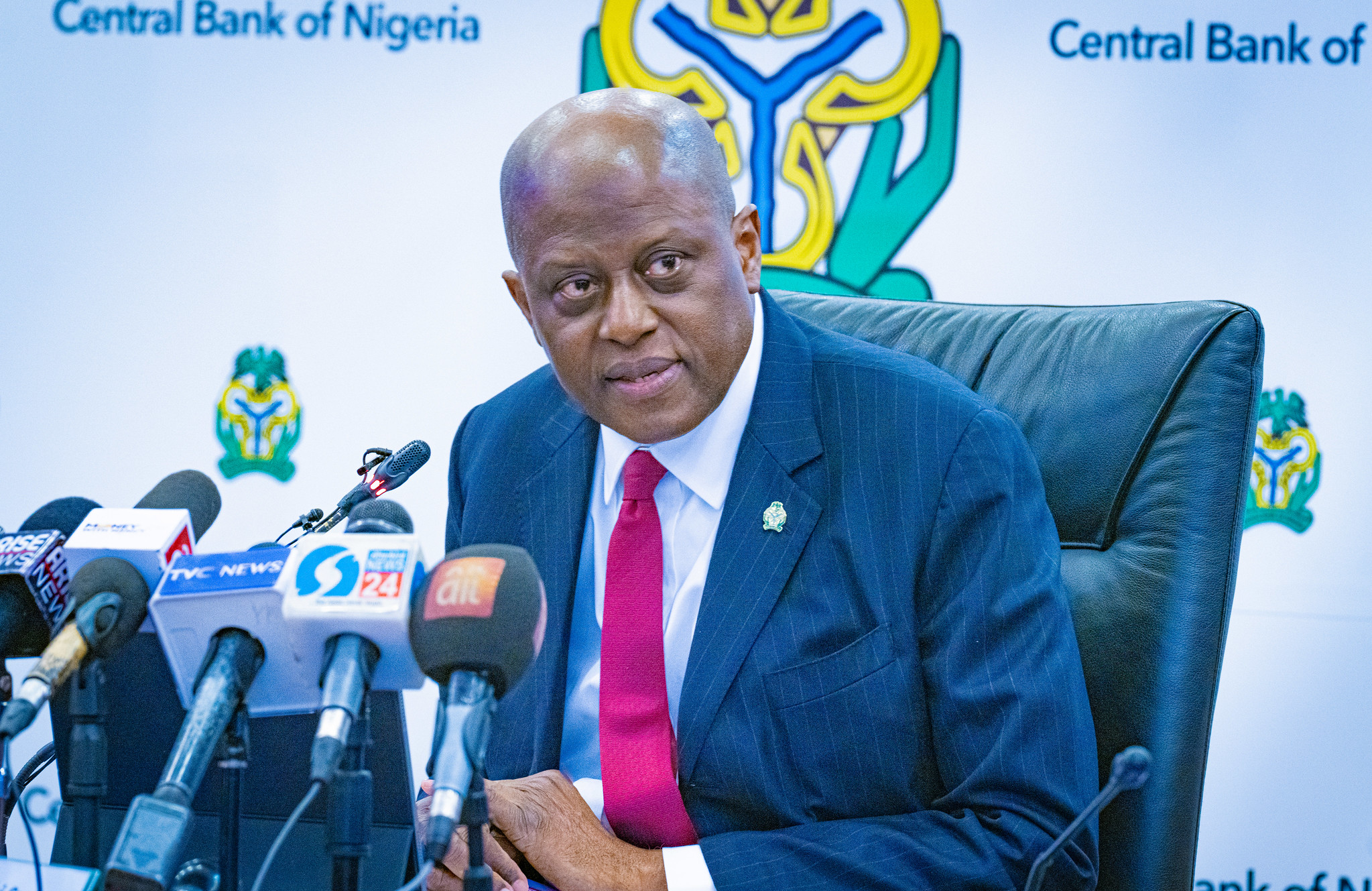 CBN governor, Olayemi Cardoso
Read also: Philip Kimonge on how African fintechs can turn compliance into competitive advantage
The mandatory integration of the Bank Verification Number (BVN) and National Identification Number (NIN) has become the ‘digital DNA’ of banking. This has not only reduced identity fraud which saw a significant decrease from ₦52.26 billion in 2024 to ₦25.85 billion in 2025 according to the Nigeria Inter-Bank Settlement System NIBSS, but has also provided a secure pathway for 74% of the population to enter the formal financial system.
Additionally, the CBN’s 2024–2026 recapitalisation drive, requiring minimum capital thresholds of up to ₦500 billion for international banks, ensures that ‘character’ is backed by the resilience to withstand economic shocks, effectively mandating that only the most robust and compliant players remain at the table.
As of January 2026, the Nigeria’s Securities and Exchange Commission (SEC) has also significantly increased the minimum capital requirements (MCR) for fintechs and digital asset operators, with compliance required by June 30, 2027. Key thresholds include ₦100 million for Robo-Advisers (up from ₦10m), ₦200 million for Crowdfunding Intermediaries (up from ₦100m), and ₦2 billion for Digital Asset Exchanges (DAX).
At FairMoney MFB, compliance is far more than a regulatory check box; it is the bedrock of our operational integrity and strategic growth. We have engineered a proactive compliance architecture that reaches every level of our organisation, ensuring that we remain with the highest industry standards.
By embedding rigorous oversight, ethical governance, and transparent reporting into our core DNA, we have cultivated a foundation of trust that serves as a vital bridge between our organisation and key government stakeholders.
For forward-thinking institutions, compliance is being rebranded as a competitive advantage. In the digital space, where customers cannot visit a branch to demand answers, the ‘seal of approval’ from regulators acts as a proxy for safety.
This is where the concept of Character-as-Capital becomes most visible. By maintaining a strict adherence to responsible debt recovery practices and strictly adhering to the Nigeria Data Protection Act (NDPA), Institutions such as FairMoney MFB demonstrate how compliance-led models can support responsible digital lending.
FairMoney’s adherence to the FCCPC’s Digital Lending Guidelines and its proactive stance on product transparency – clearly stating all interest rates and fees upfront – exemplifies how compliance can be used to build a ‘predictability model’ for the consumer. When a bank follows the rules even when it is more expensive to do so, it builds a reservoir of goodwill that serves as a moat against more aggressive, less ethical competitors.
The shift toward a compliance-first culture is yielding a tangible ‘Trust Dividend’. In late 2025, FairMoney’s national scale long-term issuer rating was upgraded from BBB(NG) to BBB+(NG) by Global Credit Rating (GCR), and its short-term rating from A3(NG) to A2(NG). Internal audited records show that in FY2025 FairMoney disbursed over ₦250 billion in loans and paid out over ₦7 billion in interest to savers, proving its ability to return value to a customer base that views the platform as a trusted platform for savings and credit services.
Between 2021 and 2024, FairMoney saw a significant growth in its customer deposit base. This growth has facilitated a reduced cost of funds, because users trust the bank’s CBN and NDIC-licensed status, FairMoney now funds over 56% of its loan book through customer deposits.
 Writer: James Edeh, Head of Compliance, FairMoney Microfinance Bank
Recent data from the Nigerian Exchange Limited and the banking industry suggest that as compliance improves, so does the velocity of money. Total deposits in the Nigerian banking sector rose by 63% to ₦136 trillion by late 2024, a growth driven by a population that finally feels the digital financial infrastructure is safe enough to hold their life savings.
In the coming years, the winners in the Nigerian banking sector will not be those with the largest marketing budgets, but those with the strongest ethical spine. Compliance is the bridge that connects a sceptical populace to the digital economy. It is the assurance that a customer’s data is private, their deposits are insured, and their treatment is fair. As we look toward 2030, Nigeria’s economic expansion will only be reachable if the banking sector continues to treat Character as its New Capital.
By embracing the rigorous demands of current regulations, financial institutions are not just following the law; they are investing in the most valuable asset any bank can own: the unshakeable confidence of its people. The road ahead requires a commitment to transparency that transcends the app interface and penetrates the core of institutional culture.
The post Compliance is the New Currency of Nigerian Banking first appeared on Technext.
You May Also Like

South Korea Moves to Block Illegal Crypto FX Flows

The Mybluechip.com

