

Understanding Layer 1 vs Layer 2 Cryptocurrencies: Why It Matters in 2026
Cryptsy
Cryptsy - Best Sweepstakes Casinos & Fish Table Games — Legal in All 50 States
As the cryptocurrency ecosystem matures, new technical layers have emerged to address the limitations of earlier blockchain networks. For investors navigating this space in 2026, understanding the difference between Layer 1 vs Layer 2 Cryptocurrencies isn’t just academic it’s crucial for making informed decisions. These layers impact everything from transaction speed to scalability and ultimately influence which digital assets might have the best long-term potential.
Whether you’re a seasoned trader or just discovering opportunities through platforms like newcryptocurrency.com, getting to grips with these foundational layers can help you assess which projects are solving real problems, and which may be more hype than substance.
What Is a Layer 1 Cryptocurrency?
Layer 1 blockchains are the base networks that create and maintain the infrastructure of a decentralized system. Bitcoin and Ethereum are two of the most prominent examples. They are responsible for validating transactions, producing new blocks, and keeping the network secure.
These platforms come with their own sets of rules and consensus mechanisms, like proof of work (PoW) or proof of stake (PoS), to maintain their integrity. When people talk about building a blockchain project from scratch, they usually mean launching a new Layer 1 chain.
Layer 1 cryptocurrencies are often more decentralized and secure than their Layer 2 counterparts, but they suffer from slower transaction speeds and higher fees due to their scale and consensus requirements. This trade-off is at the heart of the so-called “blockchain trilemma” of scalability, security, and decentralization.
Why Layer 1 Projects Matter
Layer 1 platforms form the backbone of the crypto economy. They are the foundation for decentralized applications (dApps), smart contracts, and token ecosystems. Any disruption or upgrade to a Layer 1 chain can have ripple effects across the entire crypto space.
Ethereum’s shift from PoW to PoS, for instance, drastically changed its energy consumption and opened new doors for scalability. Similarly, emerging Layer 1 platforms like Solana, Avalanche, and Algorand are gaining traction due to their faster processing speeds and lower fees.
For investors, understanding which Layer 1 blockchains are seeing real-world usage, developer adoption, and ecosystem growth can be a key signal of long-term value.
Enter Layer 2: The Scalability Solution
Layer 2 solutions are built on top of existing Layer 1 blockchains. Their primary goal is to improve scalability without compromising the security and decentralization of the underlying chain.
These solutions handle transactions off the main chain and then batch them before submitting the final result to Layer 1. This significantly reduces congestion and transaction fees, making it more practical for users and developers alike.
Popular Layer 2 technologies include rollups (like Optimistic Rollups and ZK-Rollups), payment channels (such as the Bitcoin Lightning Network), and sidechains. In Ethereum’s case, projects like Arbitrum, Optimism, and Polygon are some of the most widely used Layer 2 implementations.
Layer 1 and Layer 2 Crypto List
Layer 1 (L1) Blockchains
These are the base networks that process and finalize transactions on their own.
- Bitcoin — The first blockchain, mainly a store of value
- Ethereum — Largest smart contract ecosystem
- Solana — Known for fast transactions and low fees
- BNB — Powers Binance Smart Chain (BSC)
- Cardano — Focus on scalability and formal methods
- Avalanche — Subnet architecture for scaling
- Polkadot — Connects multiple blockchains
- Cosmos — “Internet of blockchains” design
Layer 2 (L2) Scaling Solutions
These are built on top of L1s (mostly Ethereum) to improve speed and reduce fees.
- Arbitrum — One of the largest Ethereum L2s
- Optimism — Focused on OP Stack scaling
- Base — Built using OP Stack
- Polygon — Includes PoS chain and zk solutions
- Starknet — Uses STARK-based zero-knowledge proofs
- zkSync — Focus on low-cost zk transactions
- Scroll — Aims for full EVM compatibility
- Linea — Enterprise-focused zk scaling
Layer 1 vs Layer 2 Cryptocurrencies
| Feature | Layer 1 (L1) | Layer 2 (L2) |
|---|---|---|
| Definition | Base blockchain networks that process and finalize transactions | Scaling solutions built on top of Layer 1 networks |
| Main Purpose | Security, decentralization, and core infrastructure | Scalability, faster transactions, lower fees |
| Examples | Bitcoin, Ethereum, Solana | Arbitrum, Optimism, Polygon |
| Speed | Slower due to full network consensus | Faster through off-chain or batch processing |
| Fees | Usually higher during congestion | Much lower transaction costs |
| Scalability | Limited by base network capacity | Designed to scale Layer 1 ecosystems |
| Security | Independent and highly secure | Inherits security from Layer 1 |
| Dependency | Operates independently | Depends on Layer 1 (e.g., Ethereum) |
| Use Case | Store of value, smart contracts, infrastructure | Payments, gaming, DeFi scaling, micro-transactions |
| Flexibility | Harder to upgrade | Easier to iterate and improve |
Comparing Layer 1 and Layer 2 Investments
When considering Layer 1 versus Layer 2 for your portfolio, think about risk, reward, and utility. Layer 1 projects usually come with higher market caps and more established ecosystems, which can mean more stability but less dramatic gains.
Layer 2 solutions, being relatively newer and more agile, might offer higher growth potential, particularly if they solve a major pain point on a Layer 1 network. However, they are also more dependent on the success of the underlying blockchain, which adds another layer of risk.
Diversifying across both types can offer a balanced approach. You could invest in a core Layer 1 asset like Ethereum while also holding positions in Layer 2 tokens that add utility and scalability to the ecosystem.
Real-World Applications and Growing Relevance
In 2025, the growing use of decentralized finance (DeFi), NFTs, and blockchain gaming continues to put pressure on existing Layer 1 networks. Without Layer 2, many of these applications would be too slow or expensive to use at scale.
For example, NFT marketplaces and play-to-earn games rely heavily on micro-transactions. If every transaction had to be settled on a Layer 1 blockchain like Ethereum, users would face prohibitive gas fees. Layer 2 platforms enable these industries to thrive by dramatically reducing costs and improving transaction speed.
This growing demand has drawn attention from investors seeking to support the infrastructure powering tomorrow’s decentralized internet.
The Role of Interoperability and the Future Outlook
One of the most exciting developments in this space is the push for interoperability, making it easier for Layer 1 and Layer 2 chains to work together. Cross-chain communication and multi-chain platforms are becoming essential, as users no longer want to be locked into a single ecosystem.
Looking ahead, the future likely involves a symbiotic relationship between Layers 1 and 2, where base chains handle security and decentralization, while upper layers optimize speed and affordability.
Projects that can effectively bridge these layers, and allow users to move seamlessly between them, may emerge as dominant players.
Final Thoughts
For anyone exploring opportunities in the cryptocurrency market, the Layer 1 vs. Layer 2 distinction offers valuable insight into a project’s purpose, functionality, and future potential. It’s no longer enough to just ask, “What does this coin do?” Investors must also understand how it does it, and where it fits in the broader blockchain architecture.
Informative Platforms can help you stay ahead by highlighting not only emerging tokens but also the infrastructure they rely on. Whether you’re looking for foundational plays or high-growth alternatives, knowing the technical layer behind the project could give you the edge you need in a crowded market.
In a space where innovation never sleeps, informed investing is your strongest strategy. And that begins with understanding the layers beneath the coins.
FAQS
What is the difference between Layer 1 and Layer 2 cryptocurrencies?
Layer 1 refers to base blockchain networks like Bitcoin and Ethereum, while Layer 2 solutions like Arbitrum are built on top of them to improve speed, scalability, and reduce fees.
Why are Layer 2 solutions important in 2026?
In 2026, blockchain usage is growing rapidly, and Layer 1 networks alone often face congestion. Layer 2 solutions help scale ecosystems like Ethereum by processing transactions more efficiently and lowering costs.
Is Layer 1 or Layer 2 better for investment?
Neither is strictly better. Layer 1 projects such as Solana focus on core infrastructure, while Layer 2 solutions like Polygon often grow based on the success of their underlying Layer 1 networks.
Can Layer 2 exist without Layer 1?
No. Layer 2 networks depend on Layer 1 blockchains like Ethereum for security, consensus, and final settlement of transactions.
What are examples of popular Layer 1 blockchains?
Common Layer 1 networks include Bitcoin, Cardano, and Avalanche.
What are examples of popular Layer 2 solutions?
Well-known Layer 2 networks include Optimism, Base, and zkSync.
Will Layer 2 replace Layer 1 blockchains?
No. Layer 2 solutions are built to support and scale Layer 1 networks like Ethereum, not replace them. Both layers work together to improve blockchain performance.
Why do investors care about Layer 1 vs Layer 2 in 2026?
Because scalability and adoption are key drivers of crypto growth in 2026. Understanding both layers helps investors evaluate which ecosystems are likely to benefit from increasing usage and transaction demand.
Mlb draftkings picks
The post Understanding Layer 1 vs Layer 2 Cryptocurrencies: Why It Matters in 2026 first appeared on Cryptsy and is written by Ethan Blackburn


You May Also Like
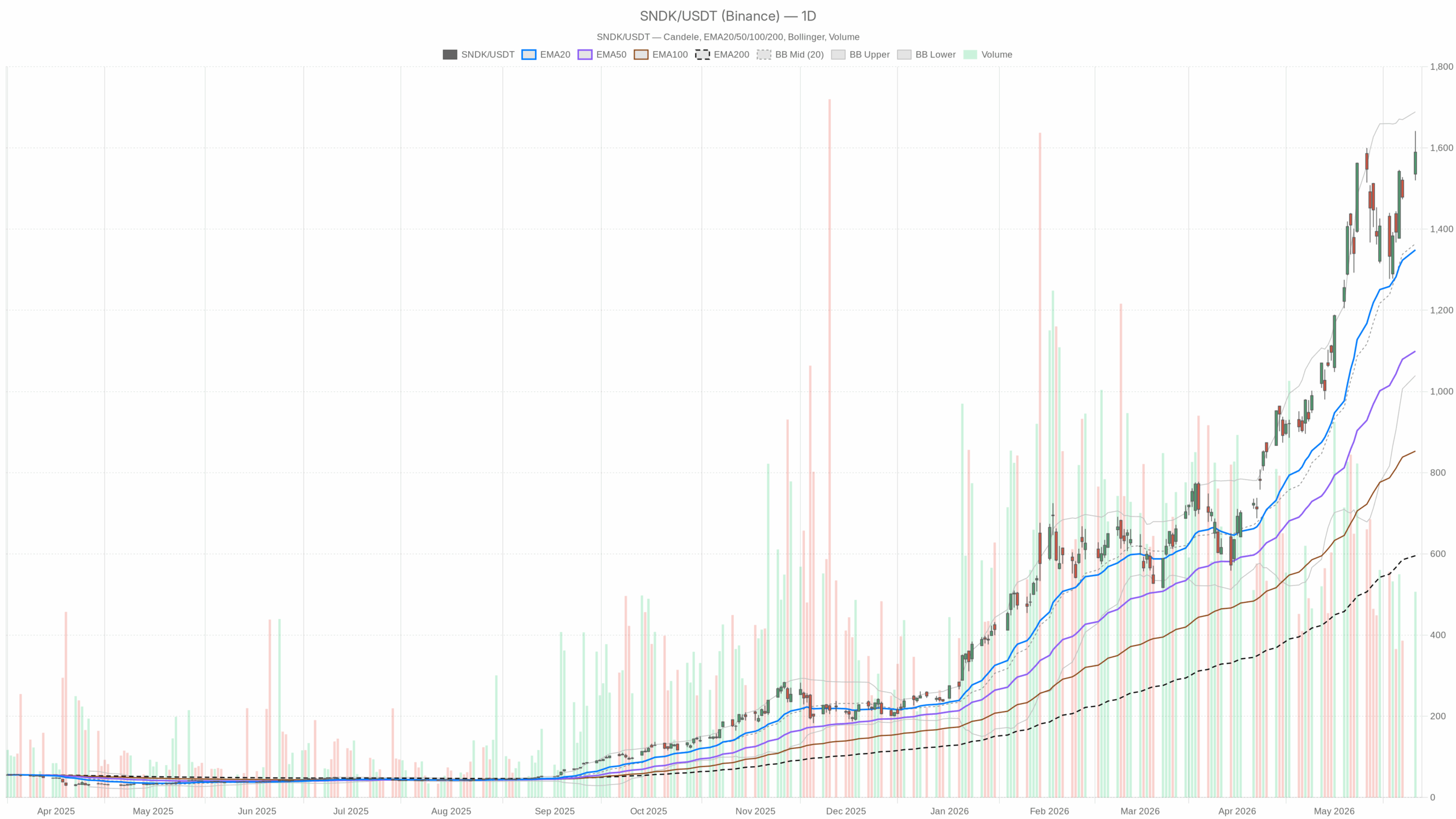
SanDisk Stock Holds Bullish Breakout as Momentum Cools Near 1,600

OpenAI Faces Scrutiny as Civic Groups Question Sam Altman’s Investment Links
Ghana Ex-President-Linked CWU Token Faces Rug Pull Claims After Insider Sales


Trending News
More24/7 Live News
More
